
Ever tried teaching your dog a new trick, only to end up with more confusion than cooperation? Yeah, us too. It’s frustrating when you’re stuck repeating “hand target” over and over while Fido tilts his head like it’s an alien concept. But here’s the good news: mastering hand targeting for agility trials doesn’t have to feel like solving quantum physics.
In this post, we’ll dive into everything you need to know about hand targeting—why it matters, how to train your pup step-by-step, tips from pro trainers, real-life examples of success, and answers to FAQs that might be keeping you up at night (like whether treats are *too* much bribery). Let’s turn your clumsy canine into an agility superstar!
Table of Contents
- What Is Hand Targeting, and Why Does It Matter?
- Step-by-Step Guide to Teaching Hand Targeting
- Pro Tips for Perfecting Hand Targeting
- Real-Life Success Stories
- Frequently Asked Questions
Key Takeaways
- Hand targeting is a foundational skill for agility trials and obedience training.
- Consistency, patience, and positive reinforcement are essential for effective learning.
- Start simple—with just one cue—and build complexity gradually.
- Professional guidance can help troubleshoot stubborn behaviors.
- Your furry friend will thank you later (even if they act annoyed now).
What Is Hand Targeting, and Why Does It Matter?
Hand targeting involves teaching your dog to touch their nose or paw to your outstretched hand on command. Sounds simple, right? Yet, it’s a game-changer in agility trials because:
- It builds trust between handler and pet.
- It creates a foundation for advanced commands.
- It helps redirect focus during high-energy activities.
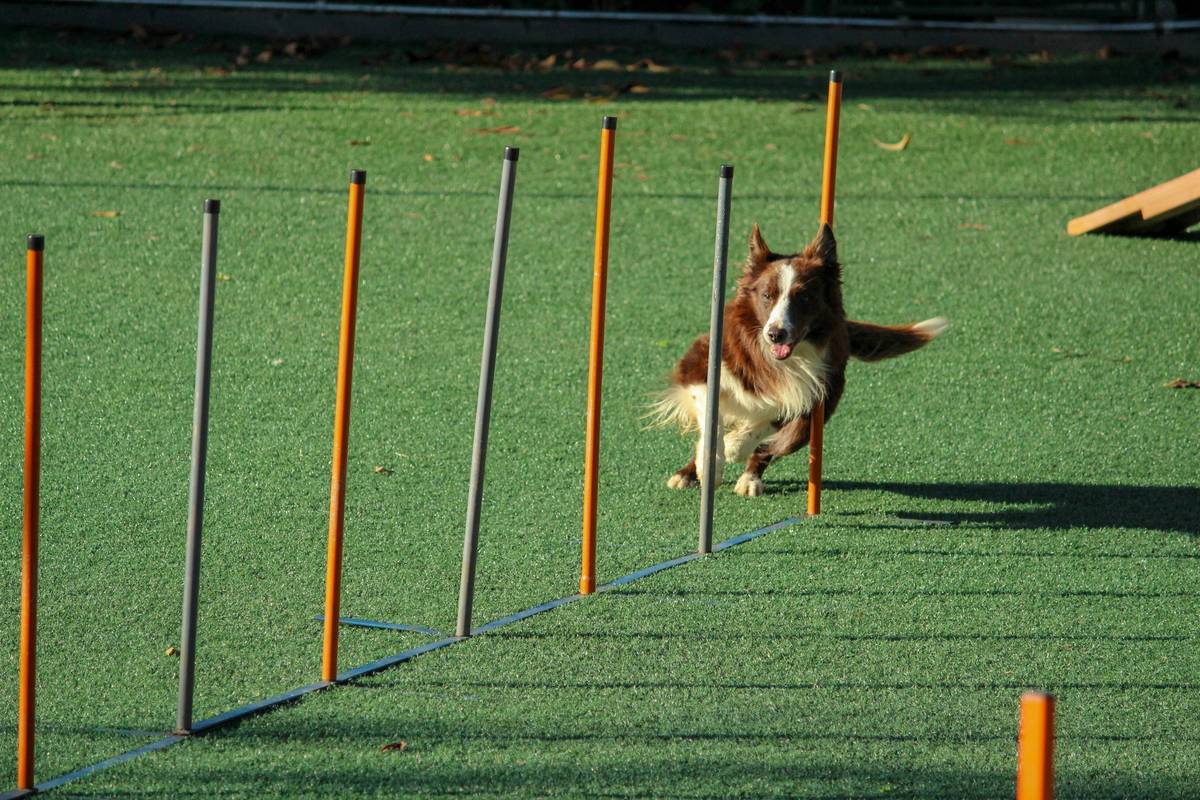
I once spent hours trying to get my Border Collie, Bailey, to jump through hoops before realizing I hadn’t nailed the basics first. Rookie mistake! Once I added hand targeting to our routine, everything clicked faster—even her spins looked smoother.
Step-by-Step Guide to Teaching Hand Targeting
Let’s break down the process so you don’t repeat my oopsies:
Step 1: Start with Your Palm Open
Hold your hand out like you’re giving them a high-five. Keep it low enough for easy access but not too close to their face.
Step 2: Reward Any Movement Toward You
If their nose wiggles toward your fingers, say “Yes!” or click your clicker, then toss a treat nearby. This conditions them to associate touching your hand with rewards.
Step 3: Add the Command Word
Choose something clear like “Touch” or “Target.” Say it right before rewarding successful touches.
Step 4: Increase Distance Gradually
Move your hand farther away each session until your dog confidently moves across the room to reach you.
Optimist You: “They’ve got this!”
Grumpy You: “Ugh, fine—but only after coffee.”
Pro Tips for Perfecting Hand Targeting
- Use Smelly Treats: Dogs love stinky stuff. Liver treats? Chef’s kiss.
- Keep Sessions Short: Five minutes max per session to avoid burnout.
- Mix It Up: Practice in different environments to challenge focus skills.
- Troubleshoot Smartly: If they stop responding, revisit earlier steps instead of adding pressure.
*Terrible Tip Disclaimer:* Don’t use yelling as a motivator—it’s terrible advice and ruins progress. Instead, stay calm and celebrate small wins.
Real-Life Success Stories
Meet Luna, the Australian Shepherd who went from chaos puppy to top agility competitor thanks to consistent hand targeting practice. Her handler shared how mastering this single command improved every other aspect of her performance.
Sounds like magic? Not really—it’s all about building muscle memory and confidence. Even shy dogs like Max, a rescue Greyhound, learned to strut proudly by following those five magic words: “Touch your hand.”
Frequently Asked Questions
Q: Can older dogs learn hand targeting?
Absolutely! While younger pups may pick things up faster, older dogs thrive on mental stimulation. Plus, they appreciate tasty bribes even more.
Q: My dog ignores my hand—what should I do?
Cut distractions, simplify instructions, and reward generously. Patience is key; frustration isn’t helpful.
Q: How long does it take to master?
Every dog learns differently, but most grasp the basics within two weeks of daily practice.
Conclusion
Hand targeting isn’t just another trick—it’s the secret sauce for excelling in agility trials. By staying patient, using positive reinforcement, and celebrating incremental victories, you’ll transform your beloved companion into a confident athlete. So grab some treats, stretch out your hand, and watch the magic happen.
And remember…
Paws meet palm,
Trust grows strong,
Agility champ!