“Ever tried teaching your tiny Chihuahua to high-five and ended up with more paw swipes than handshakes? Yeah, we’ve all been there.”
If you’ve landed here, it’s likely because your pint-sized pup has left you scratching your head over hand targeting for toy breeds. Don’t worry—this guide is packed with actionable steps, hilarious fails (because we’ve made them too), and expert tips that’ll have your furry friend nailing this trick in no time. By the end of this post, you’ll learn what hand targeting is, how to master it step-by-step, and even discover mistakes to avoid at all costs.
Table of Contents
- What Is Hand Targeting?
- How to Train Your Toy Breed Using Hand Targeting
- Pro Tips for Successful Hand Targeting
- Real-Life Success Stories
- Frequently Asked Questions About Hand Targeting
Key Takeaways
- Hand targeting uses positive reinforcement to teach pets to touch their nose or paw to your hand.
- Toy breeds respond best when sessions are short, fun, and reward-heavy.
- Avoid common pitfalls like inconsistent commands or harsh corrections.
- Persistence pays off—even if your dog seems confused at first!
What Is Hand Targeting?
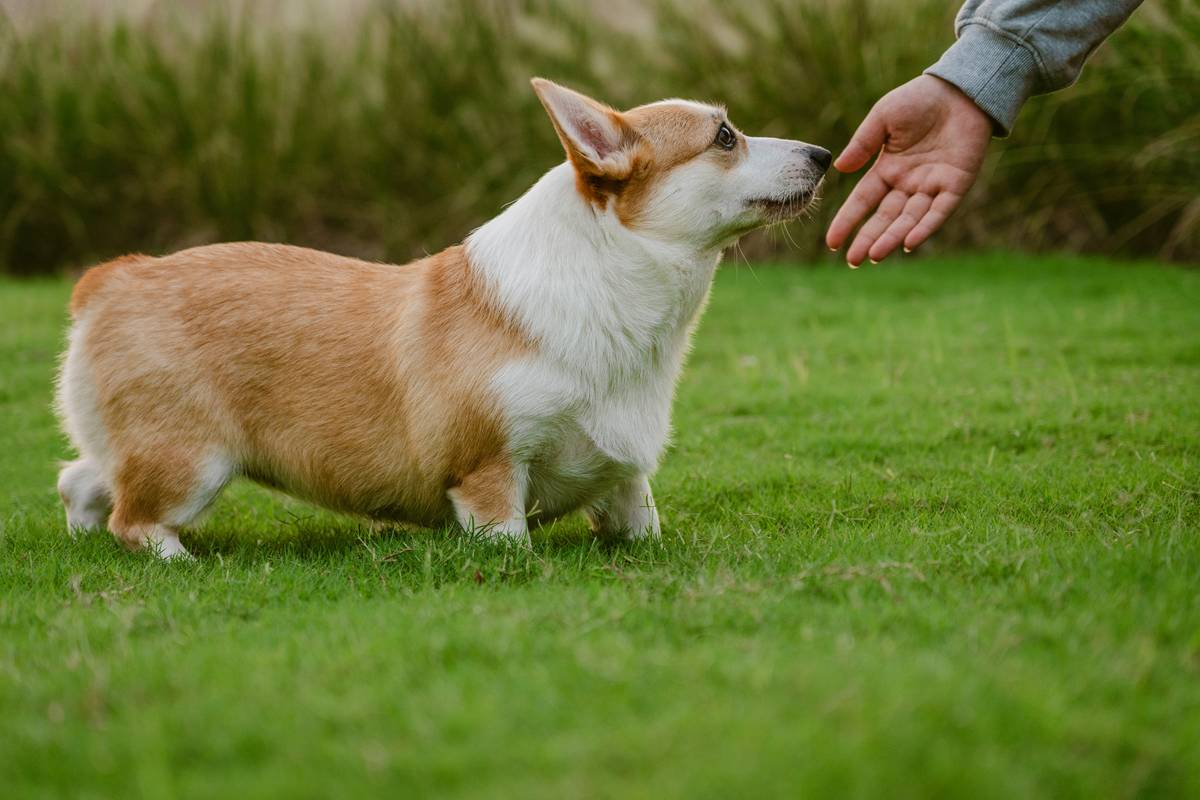
Imagine guiding your pet through tasks without ever saying a word—that’s the magic of hand targeting for toy breeds. This technique involves training your furry buddy to follow and touch their nose (or sometimes their paw) to your outstretched hand.
This method isn’t just cute; it’s incredibly useful. Need Spot to come out from under the couch during his zoomies phase? A simple hand gesture can save the day. Plus, it lays the foundation for advanced tricks like agility courses or complex obedience routines.
How to Train Your Toy Breed Using Hand Targeting
Step 1: Prep Like a Pro
Optimist You: “Got treats? Ready to go!”
Grumpy You: “Great, now my pockets smell like liver snacks.”
To start, grab some irresistibly smelly treats (think chicken bits or freeze-dried liver). Choose a quiet space where distractions are minimal—no squeaky toys allowed!
Step 2: Lure and Reward
Hold a treat near your palm and extend your hand slightly toward your dog. As soon as they move closer or sniff/touch your hand, say “Yes!” (or click a clicker) and immediately reward them with the treat. Timing matters: praise and treats should be instant.
Step 3: Add Cues Gradually
Once your pup understands the motion, add verbal cues like “Touch” or “Target.” Repeat daily until they associate the cue with the action. Keep sessions short (5–10 minutes max)—tiny dogs tire easily!
Step 4: Test Their Skills
Tweak distances and angles. Can your dog still hit your hand if you’re sitting down? Standing across the room? Be patient; every dog learns differently.
Pro Tips for Successful Hand Targeting
- Keep It Fun: Dogs crave playfulness. If your pup loses interest, switch to a new activity or take a breather.
- Use Clear Signals: Consistency is key. Use one cue per behavior to prevent confusion.
- Be Patient: Rome wasn’t built in a day, and neither is a perfect hand target.
- Don’t Punish Mistakes: Accidents happen. Stay calm and redirect instead of scolding.
Terrible Tip Disclaimer: Some trainers suggest skipping rewards after a few successful tries. Ignore this nonsense! Rewards keep motivation sky-high.
Real-Life Success Stories
Take Bella, a stubborn Pomeranian who once refused to leave her bed unless bribed with cheese. After two weeks of consistent hand-targeting practice, she was confidently following cues—and loving every second.

Or consider Max, a timid Yorkie with zero confidence around strangers. His owner used hand targeting as part of socialization exercises, helping him gain trust. Now, he’s practically auditioning for commercials!
Frequently Asked Questions About Hand Targeting
Q: How long does it take to train my toy breed?
A: Every dog is different, but most toy breeds grasp basic hand targeting within 1–2 weeks of regular practice.
Q: My dog keeps biting my fingers instead of targeting. What do I do?
A: Redirect their focus to the palm—not the fingers. Calmly withdraw your hand if they bite, then try again.
Q: Can older toy breeds learn this trick?
A: Absolutely! While puppies may pick it up faster, senior dogs benefit greatly from mental stimulation.
Conclusion
Congratulations—you’re officially equipped to master hand targeting for toy breeds. From luring with tasty treats to adding polished cues, you’ve got all the tools needed to succeed. Remember, consistency and patience win the game.
Now get out there and show off those adorable baby paws doing big things! And hey—when your pup finally nails their first flawless target, celebrate like it’s graduation day.
Nose meets open hand,
Dog wags, world feels brighter—
Toys rule Earth today.
PSA: Like Pikachu learning Thunderbolt, persistence makes perfection. Go forth and conquer!