Ever tried teaching your dog to identify objects during a rally course, only to end up with more confusion than clarity? Whether you’re prepping for competitive obedience or simply want to impress friends at the park, object discrimination can feel like trying to explain quantum physics to a toddler. But don’t worry—we’ve got you covered!
In this post, we’ll break down everything you need to know about “object discrimination for rally,” including step-by-step instructions, tips from seasoned trainers, and examples that actually work. You’ll also get a sneak peek into common mistakes (yes, even the pros mess up sometimes). Let’s dive in!
Table of Contents
- Why Object Discrimination Matters in Rally
- Step-by-Step Guide to Teaching Object Discrimination
- Best Practices for Effective Target Training
- Real-Life Success Stories
- Frequently Asked Questions About Object Discrimination
Key Takeaways
- Object discrimination for rally requires patience and consistency.
- Start simple by teaching basic targeting before progressing to complex objects.
- Use positive reinforcement techniques for long-term success.
- Avoid rushing—training takes time, so don’t force it!
Why Object Discrimination Matters in Rally
If you’ve ever watched a rally trial, you’ve seen dogs navigating courses with precision and focus. One critical skill they rely on is object discrimination—the ability to distinguish between specific items amidst distractions. This might seem straightforward, but ask anyone who’s struggled to teach their pup not to grab every shoe in sight—it’s no walk in the park.
Confessional Fail: When I first started training my Golden Retriever, Max, he thought “object discrimination” meant fetching everything. Balls, sticks, shoes—you name it, it was fair game. It wasn’t until I realized I was overwhelming him with too many variables that things finally clicked.
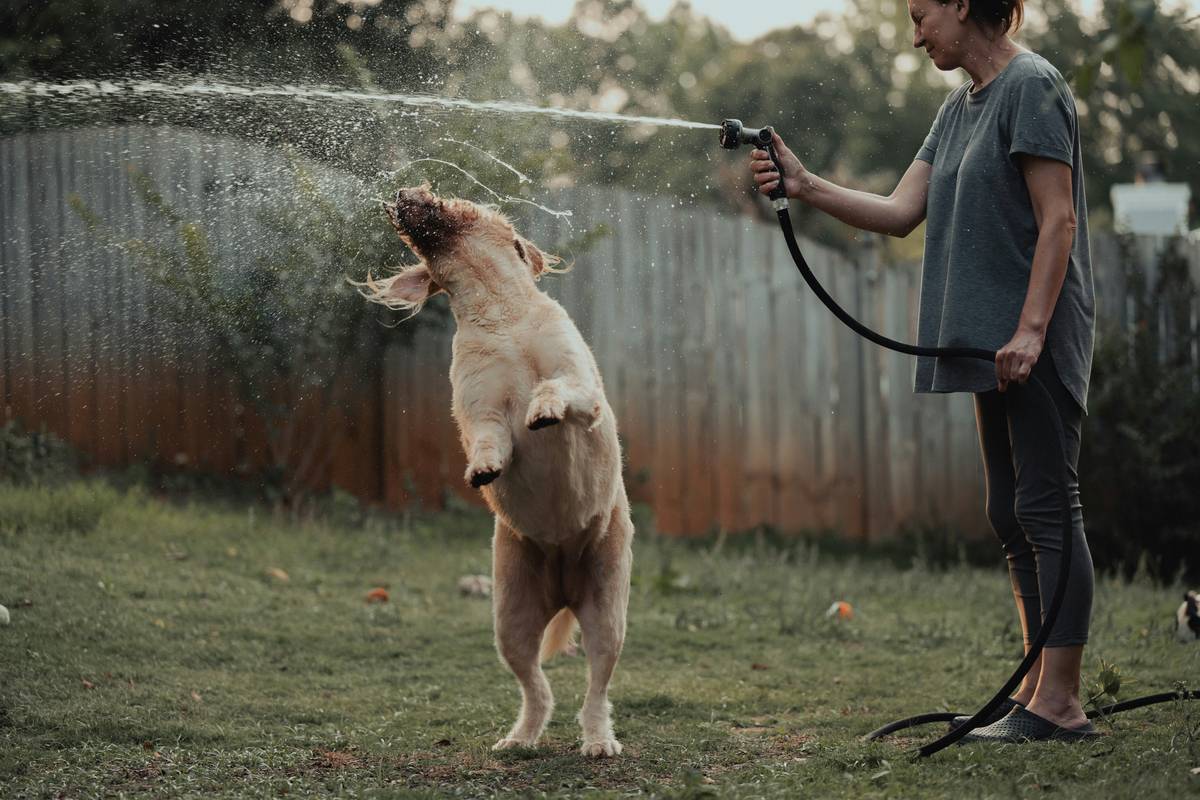
Effective target training starts with clear cues and consistent rewards.
Step-by-Step Guide to Teaching Object Discrimination
-
Choose Simple Objects First
Start with two distinctly different objects, such as a plastic bottle versus a stuffed toy. The goal is to make distinctions obvious.
“Optimist You says:* ‘They’ll learn quickly if you stay consistent!’
Grumpy You mutters:* ‘Yeah, sure… after the tenth try.'” -
Introduce Naming Cues Early On
Assign each item a name (“bottle,” “toy”) and pair it with its corresponding action. For instance, “Touch bottle.”
-
Reward Correct Choices Immediately
Positive reinforcement is key. Praise enthusiastically when your dog selects the right object.
-
Increase Complexity Gradually
Once your dog masters pairs of objects, introduce additional items—but never all at once.
Best Practices for Effective Target Training
- Be Patient: Dogs process information differently; some may take longer than others.
- Use High-Value Treats: If your dog loves chicken, use tiny bits as rewards.
- Keep Sessions Short: Aim for 5–10 minutes per session to prevent burnout.
- Mix Up Environments: Train indoors, outdoors, and around distractions to simulate real-world scenarios.
Anti-Advice Disclaimer: Don’t use punishment-based methods. They won’t teach object discrimination—they’ll just stress out your pup.
Real-Life Success Stories
Katie, a novice trainer, shares her story: “My Border Collie, Luna, struggled with identifying cones vs. jumps early on. By focusing solely on one object per day and rewarding small wins, she learned within weeks. Now she nails every course!”
Another trainer, Mark, emphasizes routine: “Consistency changed everything. Every morning, we practiced object recognition over coffee. Sounds crazy, but now his accuracy is 98%.”
Frequently Asked Questions About Object Discrimination
What breeds are best suited for object discrimination?
All breeds can excel, though working breeds like Retrievers and Shepherds often thrive due to their intelligence and eagerness to please.
How long does it typically take to train?
It varies based on the dog’s personality, but expect at least several weeks of dedicated practice.
Can older dogs learn new tricks?
Absolutely! Age isn’t a barrier—just adjust sessions to match their energy levels.
Conclusion
Teaching object discrimination for rally doesn’t have to be daunting. With persistence, positivity, and a dash of creativity, both you and your furry friend can conquer this challenge together. Remember: progress beats perfection.
Chef’s kiss: Like solving a Rubik’s Cube blindfolded, mastering object discrimination feels impossible until suddenly—it clicks.
Haiku Time:
Paws touch, minds connect,
Through trials, our bond grows strong—
One paw leads the way.