Ever wondered how some dogs can flawlessly identify objects during obedience trials while yours just sniffs around aimlessly? Yeah, us too. Whether you’re preparing for competitive events or simply want your furry friend to ace everyday commands, “object discrimination for obedience trials” is a game-changer in pet training methods.
In this post, we’ll explore what object discrimination is, why it’s crucial for success in obedience trials, and step-by-step strategies to teach your dog this advanced skill. You’ll also learn tips and tricks that trainers swear by—and maybe even pick up on the pitfalls to avoid.
Table of Contents
- Introduction to Object Discrimination
- Step-by-Step Guide to Teaching Object Discrimination
- Pro Tips and Best Practices
- Real-World Success Stories
- FAQs About Object Discrimination for Obedience Trials
Key Takeaways
- Object discrimination involves teaching your dog to differentiate between specific items based on scent, shape, or texture.
- Consistency, patience, and positive reinforcement are key to mastering this technique.
- Target training amplifies learning by encouraging focused interaction with designated objects.
- Avoid confusing your dog with too many variables at once—start simple!
What Exactly Is Object Discrimination?
Pet owners often focus on basic obedience commands like “sit” or “stay,” but object discrimination pushes boundaries. It trains your dog to recognize and act upon particular items from a selection, which is vital for tasks such as retrieving items during an agility trial or service work.
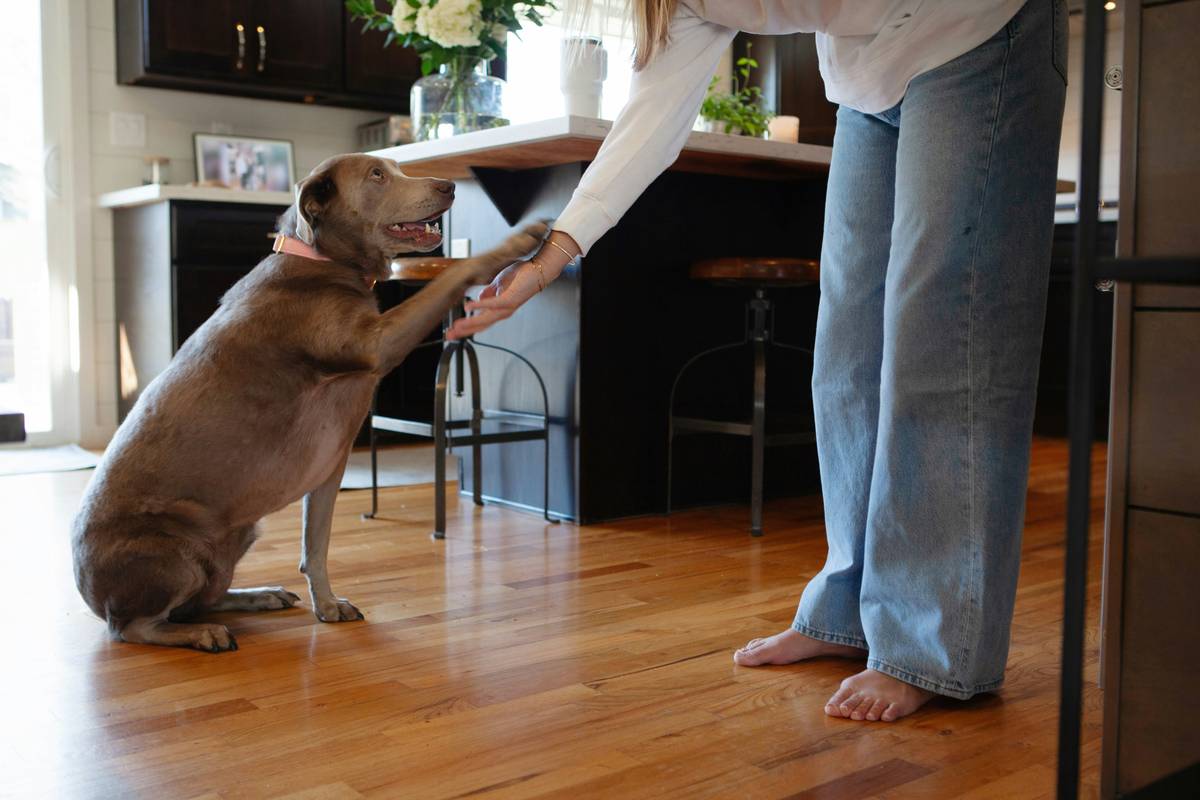
But let me confess something: I once tried teaching my golden retriever to fetch socks instead of balls (because who doesn’t love quirky challenges?). Spoiler alert—it didn’t go well. Turns out he was more interested in chewing them than bringing them back. Lesson learned: Start small and stay consistent!
This strategy isn’t just practical; it’s chef’s kiss for deeply bonding with your pup while boosting their cognitive abilities.
How to Teach Your Dog Object Discrimination Like a Pro
Optimist You:
“Follow these steps, and soon enough, Rover will be picking things faster than you can say ‘Fetch!’”
Grumpy You:
“Ugh, fine—but only if treats are involved. Otherwise, forget it.”
- Select One Distinct Item: Begin with one unique object, like a brightly colored squeaky toy. Keep distractions minimal.
- Create Positive Associations: Use clickers or verbal praise paired with high-value rewards when your dog interacts correctly with the item.
- Add Another Object: Once mastered, introduce a second unrelated item. Repeat cues so they understand the difference.
- Increase Complexity Gradually: Add more items progressively, ensuring each has distinct qualities (e.g., size, material).
- Practice Consistently: Regular short sessions beat infrequent long ones every time.
Pro Tips & Best Practices for Nailing Object Discrimination
Let’s get brutally honest here—this process takes patience. Don’t expect miracles overnight. That said, follow these best practices:
- Terrible Tip Disclaimer: Do NOT rush through multiple objects simultaneously. Confused pups = frustrated humans. Trust me.
- Use High-Quality Rewards: Think cheese cubes over plain kibble. Motivation matters.
- Vary Locations: Train indoors, outdoors, noisy places—you name it. Adaptability ensures mastery.
- Keep Sessions Short and Fun: Aim for 5–10 minutes max per session. Dogs have short attention spans too, okay?
- Rant Alert: Why do people always underestimate sniff breaks? Let your dog reset mentally between rounds. Respect the whirrrr sound of panting tails wagging after intense concentration.
See It in Action: Real-World Success Stories
Take Sarah from Austin, TX, who trained her Border Collie, Max, using target training combined with object discrimination techniques. Initially skeptical, she stuck to structured routines and introduced variety slowly. Fast forward six months, Max could accurately identify five separate household objects within seconds. Talk about pawsome progress!
Frequently Asked Questions About Object Discrimination for Obedience Trials
- Q: How long does it take to train a dog in object discrimination?
- A: Typically weeks to months depending on consistency, breed intelligence, and individual aptitude.
- Q: Can older dogs learn object discrimination?
- A: Absolutely! Age is no barrier with patient training tailored to physical limitations.
- Q: What breeds excel at this type of training?
- A: Working breeds like German Shepherds or Retrievers often adapt well due to inherent task orientation.
Conclusion
Teaching your dog object discrimination for obedience trials doesn’t need to feel overwhelming. With clear objectives, structured guidance, and plenty of cheerleading (treats included), you’re all set to unlock your pup’s full potential.
Remember: Progress might start slow, but consistency wins the race. And hey, if all else fails, blame the squirrels outside distracting everyone.