
“Ever spent hours trying to teach your dog to sniff out their toys? You’re not alone—object discrimination for detection can feel like teaching algebra to a toddler. But what if we told you it’s simpler than you think?”
Training pets, especially when it comes to advanced skills like object discrimination for detection, is both an art and a science. In this post, we’ll dive into how you can turn your furry friend into a detection superstar—one sniff at a time. From understanding the basics of target training to troubleshooting common pitfalls, you’ll learn everything you need (and maybe even some things you didn’t know you needed).
Quick Preview: We’ll explore why object discrimination matters, step-by-step instructions on how to train your pet, actionable tips, real-life examples, FAQs to clear up confusion, and more.
Table of Contents
- What Is Object Discrimination For Detection?
- Step-by-Step Guide to Teaching Object Discrimination
- Best Practices for Success in Target Training
- Success Stories: How Others Did It
- Frequently Asked Questions About Object Discrimination
Key Takeaways
- Object discrimination teaches pets to identify specific objects or scents among distractions.
- Consistency and patience are key for success.
- Reward systems must be tailored to your pet’s preferences.
- Avoid overtraining; short sessions yield better results.
What Is Object Discrimination For Detection?
Picture this: You drop your keys by accident, but instead of searching everywhere, your pup sniffs them out within seconds. That’s the power of object discrimination for detection. This skill allows animals, typically dogs, to differentiate between objects based on scent, shape, size, or texture.

Figure 1: A breakdown of how object discrimination works in pets.
But here’s the kicker—it’s not just about finding lost items. Whether it’s detecting medical conditions, identifying contraband, or simply organizing toys, this method has countless applications. And yet, many pet owners shy away because they assume it’s too complex. Spoiler alert: It’s not!
Why Does Object Discrimination Matter?
For service animals, law enforcement K9 units, or even regular family pets, mastering object discrimination enhances mental stimulation, strengthens bonds, and boosts overall obedience. Plus, who wouldn’t want a pooch that knows exactly where their leash is hiding?
Step-by-Step Guide to Teaching Object Discrimination
Optimist You: “Follow these steps, and you’ll have a pro detector in no time!”
Grumpy You: “Yeah, right—but only if treats are involved.”
Step 1: Choose Your Object
Select a single item as your starting point. Make it distinct—a favorite toy, a sock, or even a piece of fabric. Avoid overly generic objects like a plain ball unless paired with scent markers.
Step 2: Introduce the Concept
Show your pet the chosen object while saying its name clearly (e.g., “Toy”). Reward immediately after they acknowledge it (sniff, touch, etc.). Repeat multiple times daily until recognition improves.
Step 3: Add Distractions Gradually
Start placing other similar objects nearby. Encourage your pet to focus solely on the target object. If distracted, guide gently back without scolding.
Step 4: Incorporate Scent Associations
If using scent-based detection, rub something fragrant onto the object first. Lavender oil diluted with water works wonders. Couple commands like “Find it” with rewards upon success.
Step 5: Increase Complexity
Once confident, introduce harder challenges: larger spaces, multiple distractors, or varying locations. Celebrate small wins along the way!
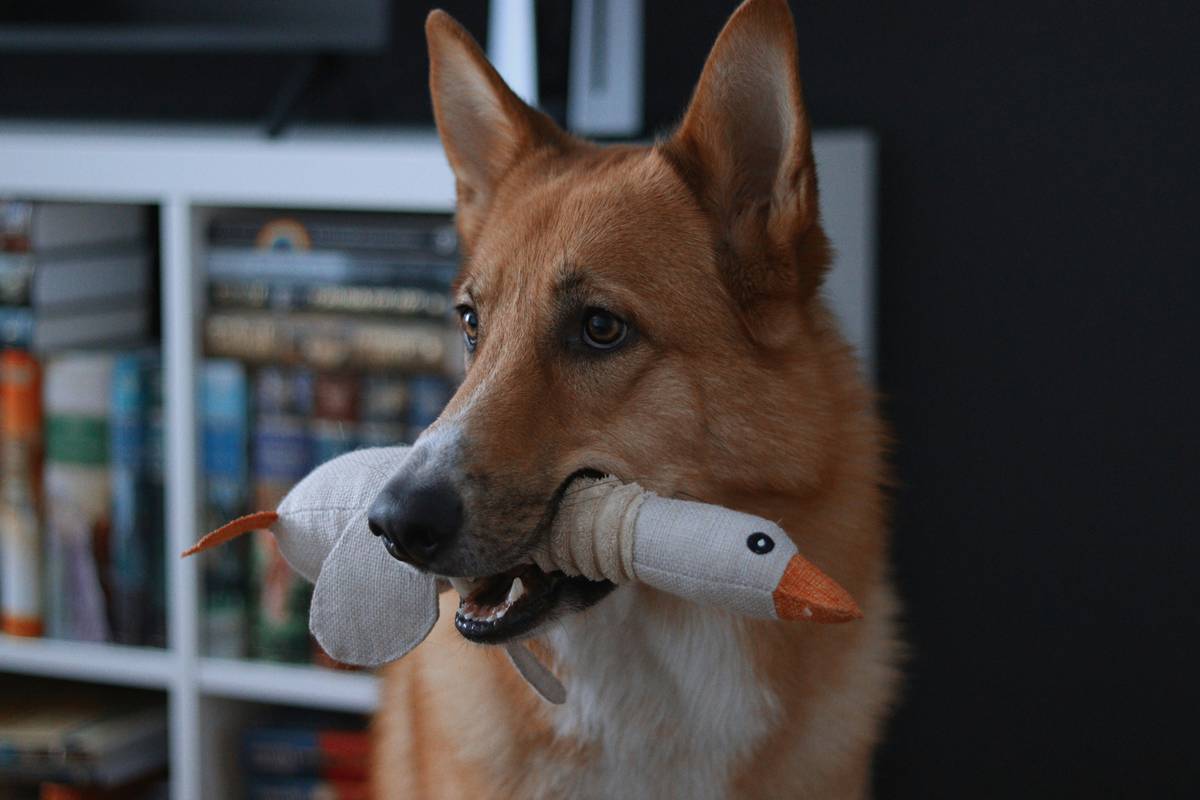
Figure 2: The stepwise process of target training explained visually.
Best Practices for Success in Target Training
- Keep Sessions Short: 5–10 minutes max to prevent burnout.
- Stay Consistent: Always use the same word or cue for each object.
- Mix Up Rewards: Rotate between food, praise, playtime, or belly rubs to keep motivation high.
- Be Patient: Progress may take weeks—or longer. Don’t rush your pet.
The Worst Advice Ever:
“Just let them figure it out themselves.” Nope. Hands-on guidance is crucial early on. Leaving your pet confused leads to frustration—not learning.
Success Stories: How Others Did It
Meet Bella, a Golden Retriever trained to detect her owner’s migraines via specialized scent objects. Her handler shared, “It took months, but now she alerts me before symptoms hit. She literally saved my life last month.”
Or consider Max, a rescue Labrador who learned object discrimination to fetch laundry baskets. His proud owner joked, “He’s basically running the household half the time.”
Figure 3: Bella showcasing her impressive detection abilities.
Frequently Asked Questions About Object Discrimination
Can Any Pet Learn Object Discrimination?
Most mammals, including cats and ferrets, can grasp basic concepts. However, dogs tend to excel due to their keen sense of smell.
How Long Will It Take My Pet to Learn?
This varies widely based on breed, age, and personality. Some pick it up in weeks; others might require months of consistent practice.
Do I Need Professional Help?
Not necessarily. With dedication, any owner can succeed solo. However, professionals offer valuable shortcuts and expertise.
What If My Pet Gets Stuck?
Lower difficulty temporarily and ensure ample positive reinforcement. Sometimes simplifying makes all the difference.
Conclusion
Incorporating object discrimination for detection into your pet’s training regimen opens doors to incredible possibilities. Yes, it requires effort—but seeing your companion grow mentally stimulated and purposeful makes every moment worthwhile. Remember, progress takes time, so celebrate milestones big and small.
Now go forth and unleash your inner trainer—we believe in you!
“Like chasing flies with chopsticks, patience pays off.” 🍣
Let me know if you’d like further adjustments or additional content tweaks!