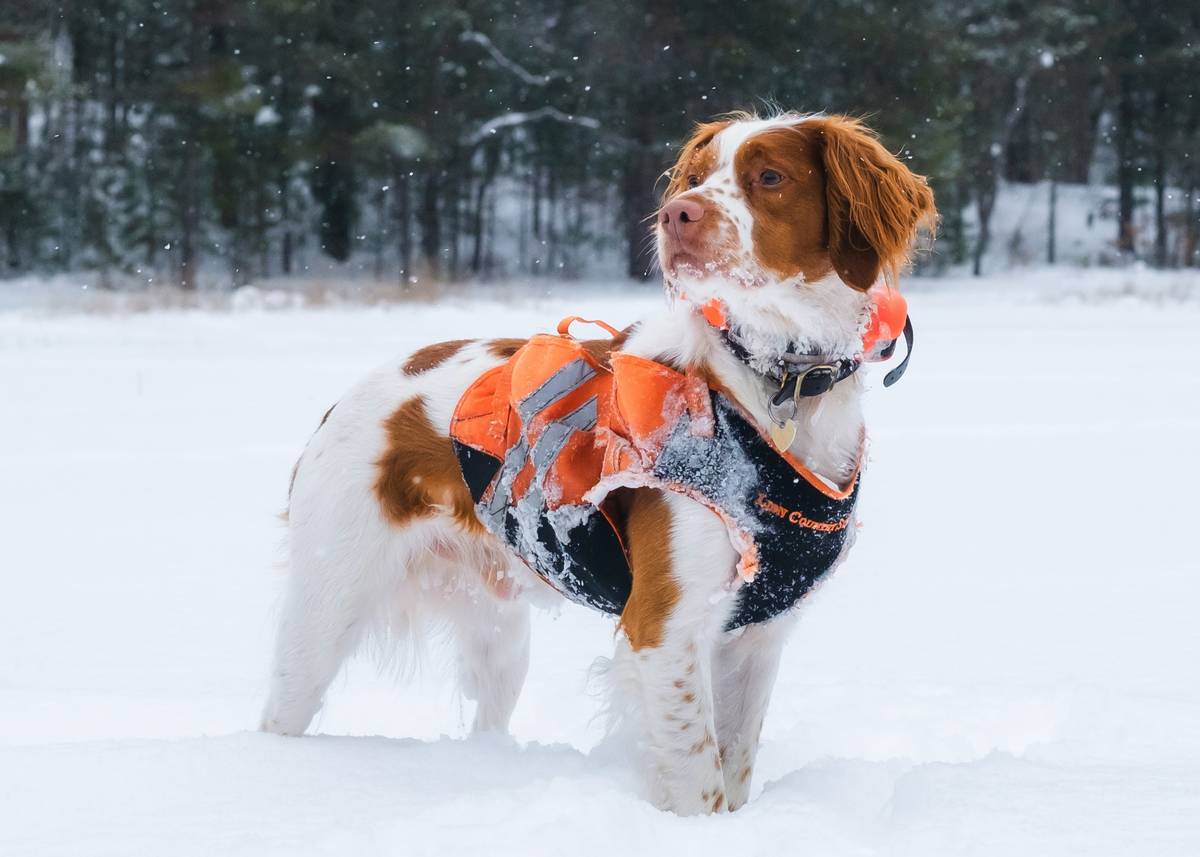
Hook: Have you ever wondered how cadaver dogs can sniff out specific scents in a sea of distractions? It’s like finding a needle in a haystack, but with a dog’s nose!
Welcome to the world of advanced pet training methods, where object discrimination is not just a skill—it’s a life-saving necessity. In this post, we’ll dive deep into the nuances of object discrimination for cadaver dogs, a critical yet often overlooked aspect of their training.
Purpose: This guide will help you understand the importance of object discrimination, provide a step-by-step training method, and offer best practices and real-world examples to make your training sessions more effective.
Preview: You’ll learn:
– The significance of object discrimination for cadaver dogs
– A step-by-step guide to training
– Best practices and tips
– Real-world case studies
– FAQs to answer your burning questions
Table of Contents
Key Takeaways
- Understand why object discrimination is crucial for cadaver dogs.
- Learn a step-by-step training method to enhance your dog’s skills.
- Get insider tips and best practices from experienced trainers.
- See real-world success stories and case studies.
Section 1: Problem/Background
Cadaver dogs are essential in disaster response, crime scene investigations, and search and rescue operations. Their ability to distinguish specific scents among a myriad of others is what makes them invaluable. However, this skill doesn’t come naturally; it requires rigorous training and practice.
Why is object discrimination so important? Imagine a scenario where a cadaver dog is searching through a collapsed building. The last thing you want is for the dog to alert on a false scent, wasting precious time and resources. Object discrimination ensures that the dog can accurately identify the target scent, leading to more efficient and effective searches.
Section 2: Step-by-Step Guide
Step 1: Start with Basic Obedience Training
Before diving into object discrimination, ensure your dog has a strong foundation in basic obedience. This includes commands like “sit,” “stay,” and “come.” These commands are essential for maintaining control during training sessions.
Step 2: Introduce the Target Scent
Begin by introducing the target scent to your dog. This could be a small piece of cadaver material (always use safe, non-toxic alternatives for training). Let your dog investigate the scent and associate it with a reward, such as a treat or playtime.
Step 3: Gradually Increase Distractions
Once your dog is familiar with the target scent, start adding distractions. Begin with simple, non-overpowering scents and gradually increase the complexity. This helps your dog learn to focus on the target scent even in challenging environments.
Step 4: Practice in Different Environments
Vary the training locations to simulate different scenarios. Train in open fields, urban areas, and indoor spaces. This variety helps your dog generalize the target scent across different conditions.
Step 5: Test and Reward Regularly
Conduct regular tests to assess your dog’s progress. Use blind tests where you hide the target scent and see if your dog can find it. Always reward your dog for correct responses to reinforce the behavior.
Section 3: Tips/Best Practices
- Consistency is Key: Stick to a consistent training schedule. Regular practice is more effective than sporadic, intense sessions.
- Use Positive Reinforcement: Reward your dog with treats, praise, and playtime. Positive reinforcement is the most effective way to train.
- Stay Patient: Training takes time, and every dog learns at a different pace. Be patient and persistent.
- Terrrible Tip: Don’t use force or punishment. This can lead to stress and confusion, making the training process counterproductive.
Section 4: Examples/Case Studies
Case Study 1: Max and the Missing Hiker
Max, a cadaver dog trained in object discrimination, was called to a remote hiking trail where a hiker had gone missing. Despite the overwhelming array of scents, Max successfully identified and located the hiker’s remains, leading to a swift resolution of the case.
Case Study 2: Bella and the Urban Search
Bella, another highly trained cadaver dog, was deployed in an urban setting after a building collapse. Her ability to discriminate between the target scent and other scents allowed her to pinpoint the location of victims, saving valuable time and resources.
Section 5: FAQs
Q: How long does it take to train a cadaver dog in object discrimination?
A: The training duration can vary depending on the dog’s age, breed, and previous training. Generally, it can take several months of consistent, daily practice to achieve proficiency.
Q: Can any dog be trained in object discrimination?
A: While some breeds are naturally more suited to scent work, with proper training and patience, many dogs can learn object discrimination. It’s essential to assess each dog individually.
Q: What are the signs that my dog is struggling with the training?
A: Signs of struggle include increased anxiety, disinterest, or confusion. If you notice these signs, it might be time to reassess your training approach or seek professional guidance.
Conclusion
Object discrimination for cadaver dogs is a critical skill that can make a significant difference in search and rescue operations. By following the step-by-step guide, incorporating best practices, and learning from real-world examples, you can help your dog become a more effective and reliable search partner.
Optimist You: “With dedication and the right techniques, your dog can master object discrimination in no time!”
Grumpy You: “Yeah, yeah—but make sure you have plenty of coffee. Trust me, you’ll need it.”
Rant Section: One of my biggest pet peeves is when people underestimate the importance of consistent training. It’s like expecting a marathon runner to win without putting in the miles. Consistency is everything!
Random Haiku:
Training days are long,
Noses keen, hearts full of hope,
Success blooms in time.