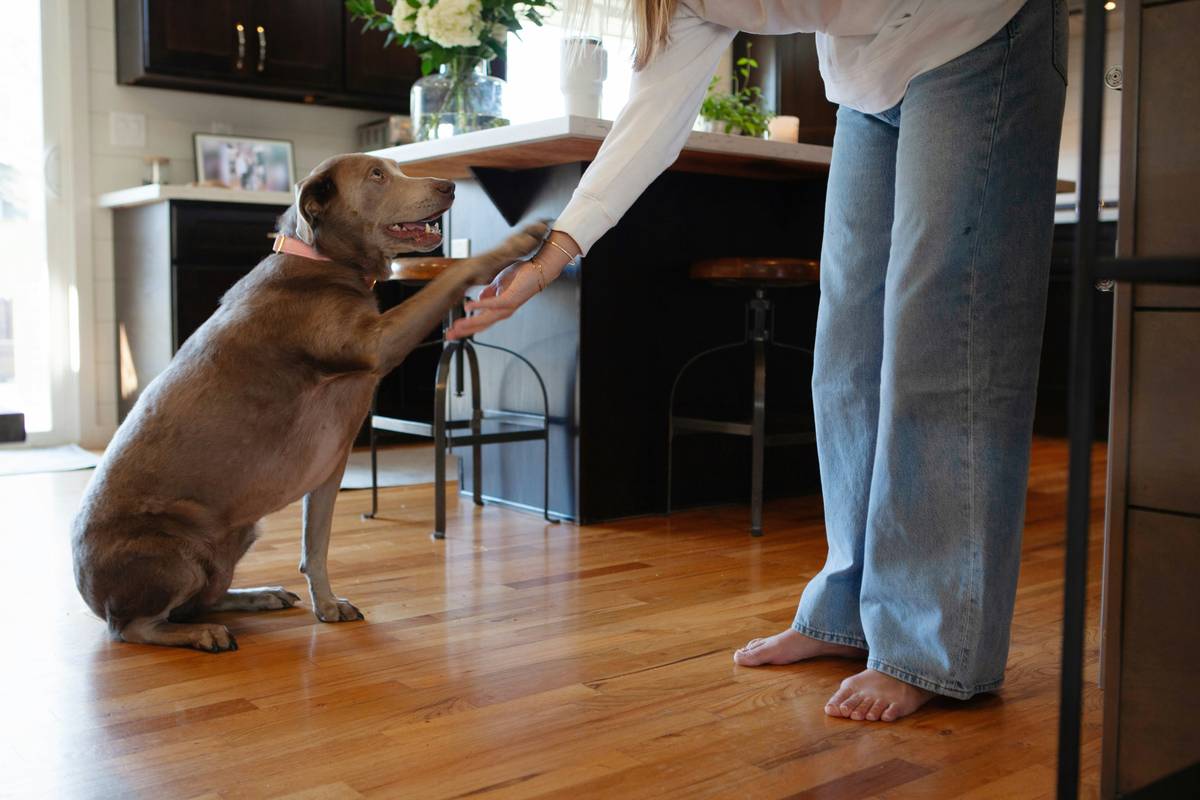
Ever felt like your working dog completely ignores you during training? Yeah, us too. But here’s the good news: mastering hand targeting for working dogs can turn your furry partner into an obedient superstar. This simple yet powerful technique teaches your dog to focus and follow your hand signals—building trust, improving communication, and enhancing their performance in no time.
Table of Contents
- Why Is Hand Targeting So Important?
- Step-by-Step Guide to Teaching Hand Targeting
- Expert Tips for Success
- Real-Life Examples of Hand Targeting in Action
- Frequently Asked Questions About Hand Targeting
Key Takeaways
- Hand targeting builds focus, trust, and obedience in working dogs.
- Start with small steps: use treats, consistent signals, and patience.
- Avoid rushing the process or punishing mistakes—it kills progress.
- Success depends on clear communication and regular practice.
Why Is Hand Targeting So Important?
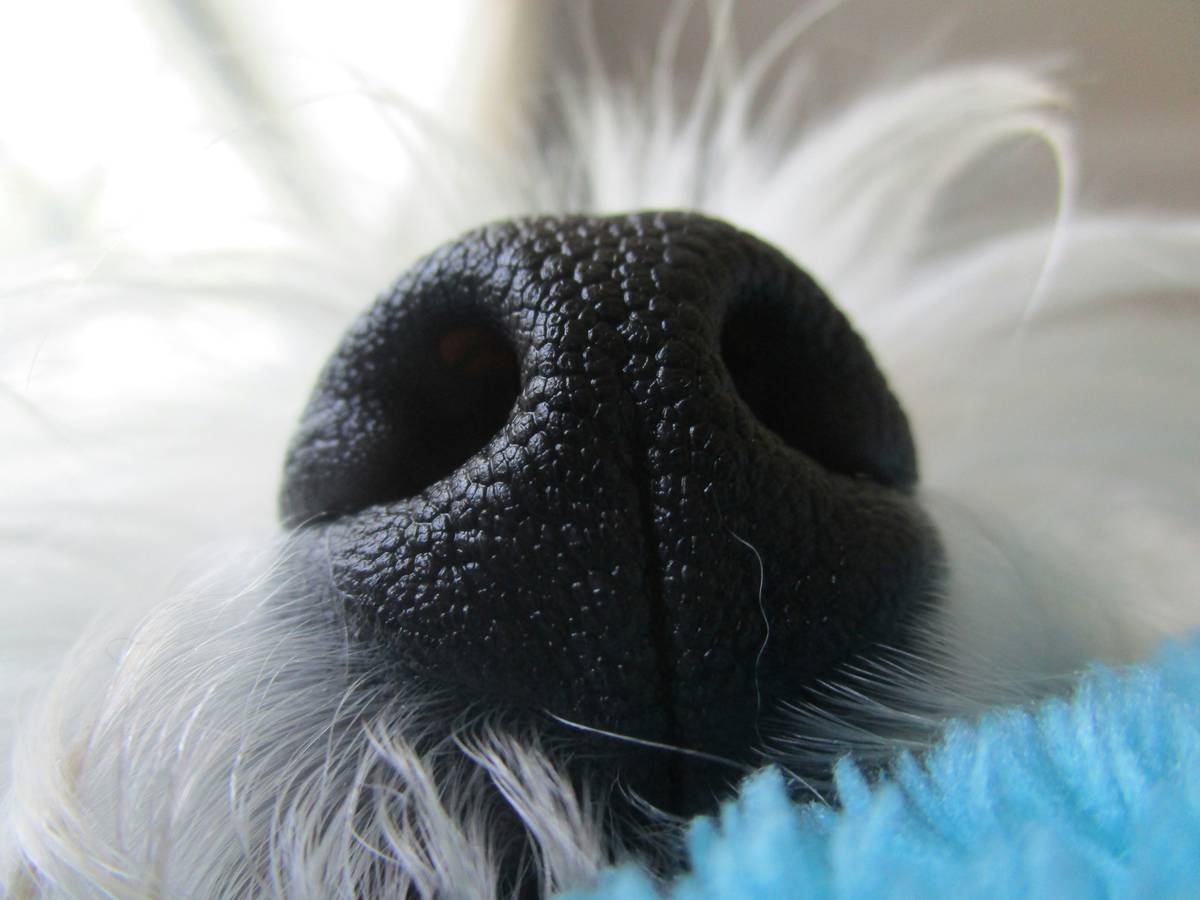
If you’ve ever struggled to get your working dog’s attention when it matters most, you’re not alone. Distractions are EVERYWHERE—squirrels, strangers, that rogue tennis ball rolling by. That’s where hand targeting for working dogs comes in clutch. It’s one of the foundational behaviors taught in pet training because it helps redirect your dog’s focus back to YOU without breaking stride.
Think about it: whether you’re navigating busy streets, preparing for competitions, or just want better control at home, having your dog respond reliably to a visual cue is GOLD. And let me tell you something—I once tried teaching my dog this skill while multitasking (sipping coffee AND scrolling Instagram). Spoiler alert: BIG mistake. Lesson learned? Focus on ONE thing at a time if you expect results.
Optimist You: “Follow these tips, and your dog will be nailing hand targets in weeks!”
Grumpy You: “Ugh, fine—but only if snacks are involved.”
Step-by-Step Guide to Teaching Hand Targeting
Step 1: Start Simple – Lure With Treats
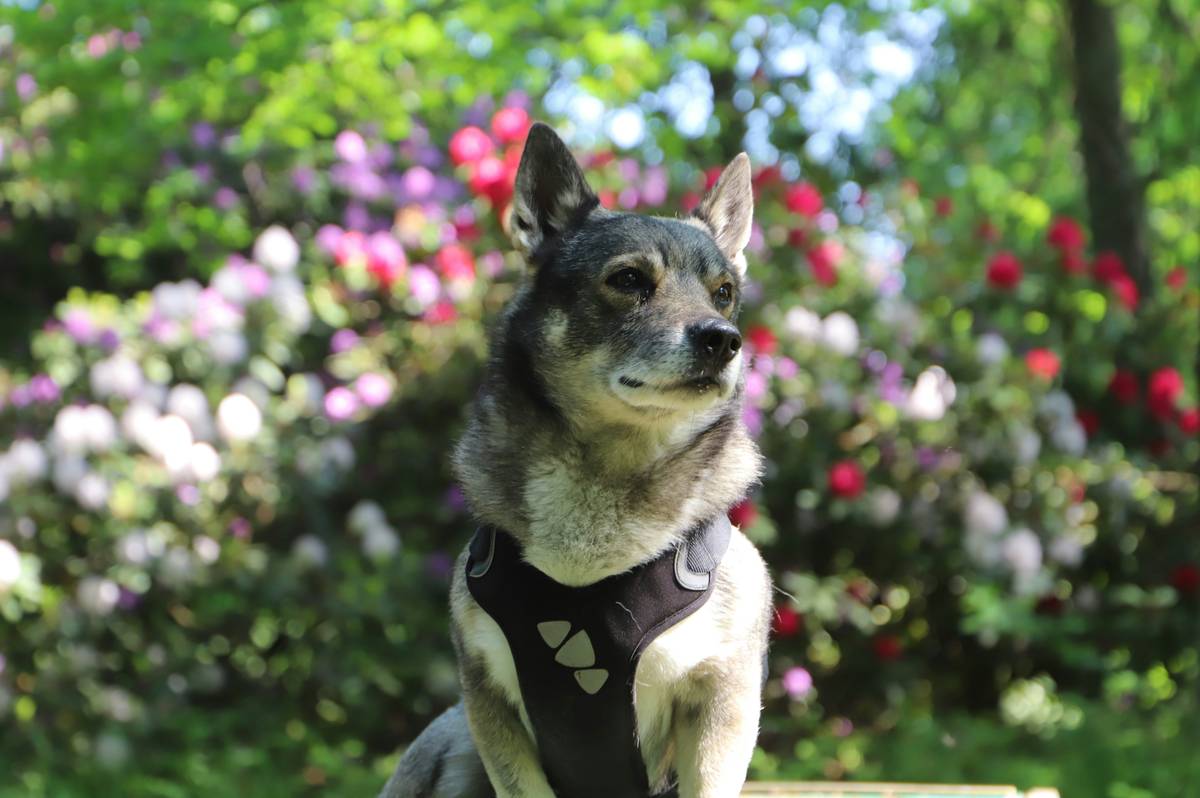
To begin, grab some high-value treats (chicken bits are chef’s kiss). Hold your flat hand about six inches from your dog’s nose. Wait for them to investigate—they’ll probably sniff or touch your hand out of curiosity. IMMEDIATELY reward them with praise and a treat. Repeat this several times until they start associating touching your hand with getting rewarded.
Step 2: Add Distance Gradually
Once your pup gets the hang of it up close, increase the distance between you two. Extend your arm farther away each session. If they hesitate, regress a bit before progressing again. Remember, consistency is key here!
Step 3: Introduce Verbal Cues
Now pair the behavior with a verbal command like “touch” or “target.” Say the cue right BEFORE your dog makes contact with your hand. Over time, they’ll connect the word with the action. Hear that sound? That’s the sweet music of teamwork.
Step 4: Practice in Different Environments
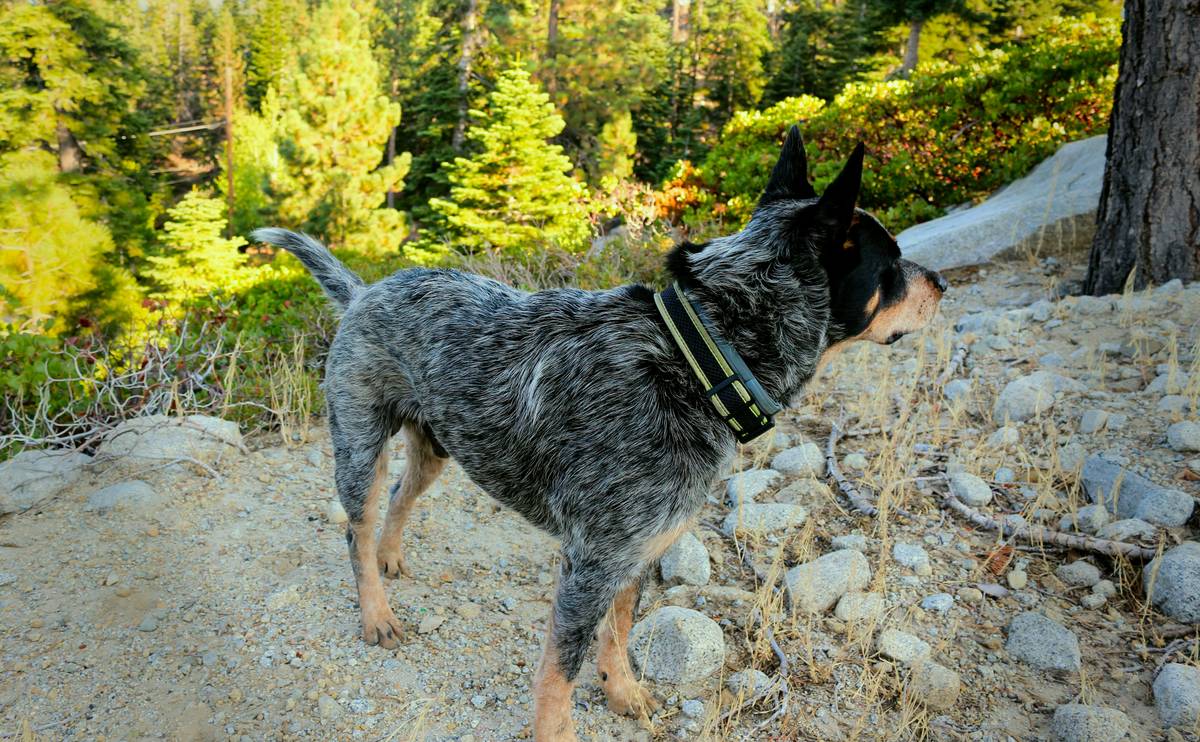
Take it outside! Practice in low-distraction areas first, then gradually move to busier settings like parks or crowded streets. Your dog needs to generalize the skill so it works anywhere, anytime.
Expert Tips for Success
- Keep Sessions Short: Aim for 5–10 minutes max. Dogs have short attention spans, folks!
- Reward Generously: Use both treats and enthusiastic praise to reinforce positive behaviors.
- Be Patient: Every dog learns at their own pace. Forcing it? Terrible idea. It’s like pushing water uphill.
- Stay Calm: Frustration = confusion for your dog. Keep your energy upbeat and encouraging.
Real-Life Examples of Hand Targeting in Action
Let’s talk success stories. Take Sarah, a K9 handler who struggled with her Belgian Malinois ignoring commands during search operations. After incorporating hand targeting for working dogs, she noticed a dramatic improvement in his responsiveness, even in chaotic environments. Now he’s practically glued to her side.
Or consider Jake, whose service dog was great at tasks but easily distracted in public places. By practicing hand targeting daily, Jake transformed chaos into calm—and now his dog excels in real-world situations.
Frequently Asked Questions About Hand Targeting
Q: Can I teach hand targeting to any breed?
Absolutely. While working dogs often excel due to their drive and intelligence, ANY dog can learn this skill with proper training.
Q: What if my dog doesn’t respond?
Patience is crucial. Break it down into smaller steps, ensure you’re rewarding consistently, and consult a professional trainer if needed.
Q: How long does it take to master?
It varies based on the dog, but most pups grasp the basics within 1–2 weeks with daily practice.
Conclusion
Incorporating hand targeting for working dogs into your training routine isn’t just practical—it’s transformative. From improving focus to strengthening your bond, this versatile tool benefits both you and your four-legged companion. So go ahead, give it a try. Who knows? You might end up with a dog who listens better than your coworkers do.
And remember: Like a Tamagotchi, your SEO strategy needs daily care. Keep writing, keep optimizing, and watch those rankings grow. 🐾