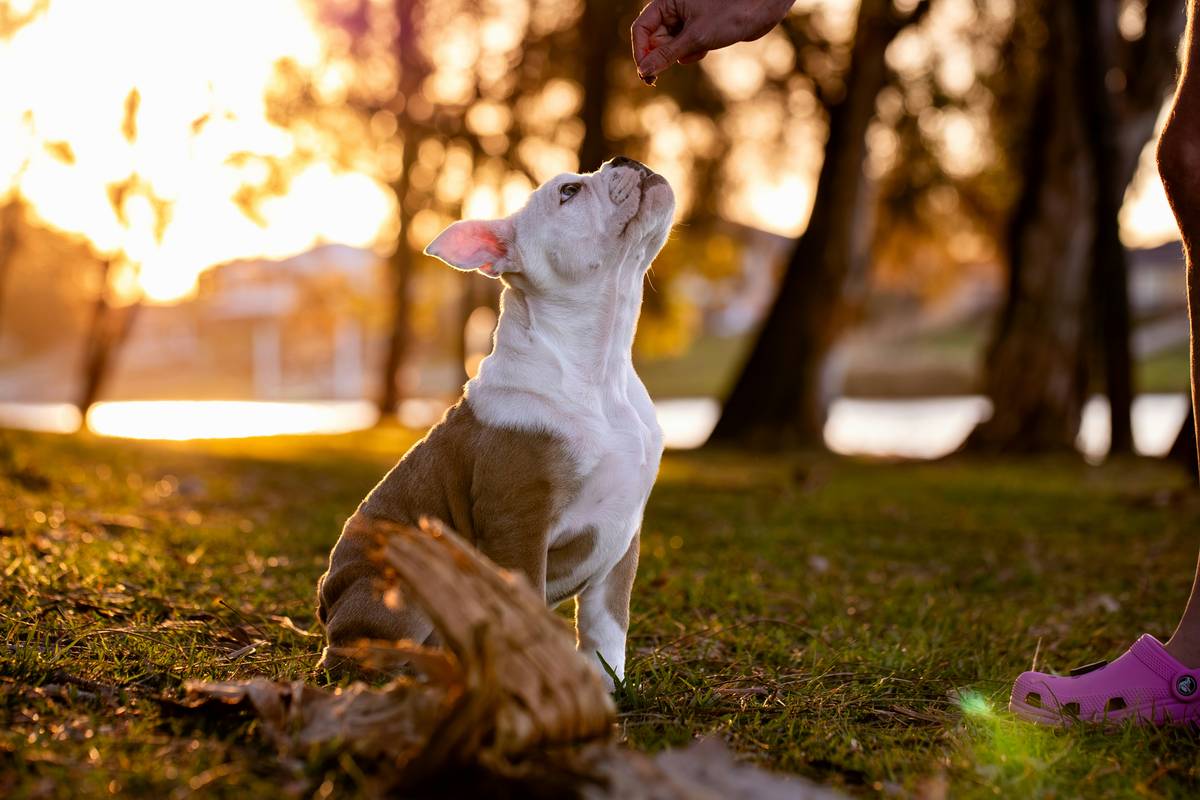
Ever felt frustrated when your pet ignores your commands, leaving you wondering if they’re even listening? You’re not alone. Many pet owners struggle with getting their furry friends to focus during training sessions. But what if there was a simple, foolproof way to grab their attention every time? Enter hand targeting for tracking, the secret sauce that’ll transform your pet into an obedient superstar.
In this guide, we’ll dive deep into how hand targeting works, why it’s effective, and step-by-step instructions to master it. By the end of this post, you’ll know exactly how to implement hand targeting techniques so both you and your pet can enjoy seamless communication. Ready? Let’s get started!
Table of Contents
- Key Takeaways
- Why Hand Targeting Matters
- Step-by-Step Guide to Master Hand Targeting
- Pro Tips for Success
- Real-World Examples That Work
- Frequently Asked Questions
Key Takeaways
- Hand targeting uses a visual cue—your hand—to direct your pet’s focus, making it ideal for tracking exercises.
- This method fosters trust and strengthens the bond between you and your pet.
- Avoid overusing treats; consistency is key to successful hand targeting.
- Use positive reinforcement to make learning fun and engaging.
- Patience is crucial—don’t rush your pet through the process.
Why Hand Targeting Matters
Pet training isn’t just about obedience—it’s about building a connection. Picture this: I once tried teaching my dog to “stay” using only verbal commands. The result? A confused pup staring at me like I’d asked him to solve calculus. Then I discovered hand targeting, and everything clicked. It turns out dogs are naturally drawn to movement, and hands provide a clear, visible signal they can easily follow.

But here’s the kicker: hand targeting doesn’t just work for basic commands. When it comes to advanced skills like tracking, it becomes your ace in the hole. Think about search-and-rescue dogs or service animals—they rely on precision and focus. And guess what helps them achieve that? You got it: hand targeting for tracking. This method is chef’s kiss for shaping behaviors that lead to success.
Step-by-Step Guide to Master Hand Targeting
How Do I Start Teaching My Pet Hand Targeting?
Optimist You: “This will be easy!”
Grumpy You: “Ugh, fine—but only if coffee’s involved.”
- Choose Your Signal: Decide whether you want to use an open palm or a pointed finger as your target cue. Both work well, but pick one and stick with it.
- Reward Initial Contact: Hold your hand out and wait for your pet to touch it with their nose. As soon as they do, reward them with a treat or praise.
- Add Movement: Once they understand touching your hand earns rewards, start moving your hand slightly to encourage them to follow it.
- Increase Distance: Gradually extend the distance your hand moves, ensuring your pet tracks it consistently before rewarding.
- Incorporate Tracking Exercises: Use your hand to guide your pet around obstacles or through specific routes, reinforcing focus and discipline.
What If My Pet Refuses to Touch My Hand?
Sometimes, pets need extra encouragement. Try rubbing a dab of peanut butter (or another safe snack) on your palm to entice them initially. If they still resist, take a breather—training should never feel like pulling teeth.
Pro Tips for Success
- Keep Sessions Short: Aim for 5–10 minute bursts to prevent boredom. Sounds like your laptop fan during a gaming marathon? Don’t let your pet feel that whirrrr.
- Be Consistent: Always use the same hand and gesture to avoid confusing your pet.
- Use Positive Reinforcement: Praise, toys, or treats create happy associations.
- Reward Effort, Not Perfection: Celebrate small wins along the way to keep morale high.
- Terrible Tip Alert: Never yell or punish during training. Negative vibes = no bueno.
Real-World Examples That Work
Take Sarah, a first-time dog owner who struggled to teach her Labrador to stay focused during walks. After implementing hand targeting for tracking, her Lab became a trailblazer—literally! During hikes, she now guides her dog around obstacles with ease, thanks to consistent hand signals.
Another success story comes from Mark, whose cat mastered agility courses using hand targeting. Yes, cats too can benefit from this method! With patience and practice, his feline friend learned to leap through hoops and weave through poles by following his hand cues.
Frequently Asked Questions
Can Hand Targeting Be Used for All Pets?
While most mammals respond well to hand targeting, some species may require modifications. For example, reptiles might prefer a stick or object instead of a human hand.
Do I Need Special Tools for Hand Targeting?
Nope! Your hands are all you need. However, adding a clicker for auditory feedback can enhance results.
How Long Does It Take to See Results?
Every pet is different, but many show improvement within a few weeks of consistent practice.
Is Hand Targeting Suitable for Older Pets?
Absolutely! Age is just a number when it comes to learning new tricks.
Conclusion
Hand targeting for tracking isn’t just a training tool—it’s a game-changer for fostering better communication and strengthening your bond with your pet. Whether you’re aiming to improve obedience, teach complex tasks, or simply have fun together, this method delivers results. Remember, patience and positivity are your best allies.
So go ahead—grab some treats, put on your grumpy optimist hat, and give hand targeting a try. Your pet will thank you (with tail wags or purrs).
Like a Tamagotchi, your SEO needs daily care. Keep nurturing those skills, and watch your rankings soar!