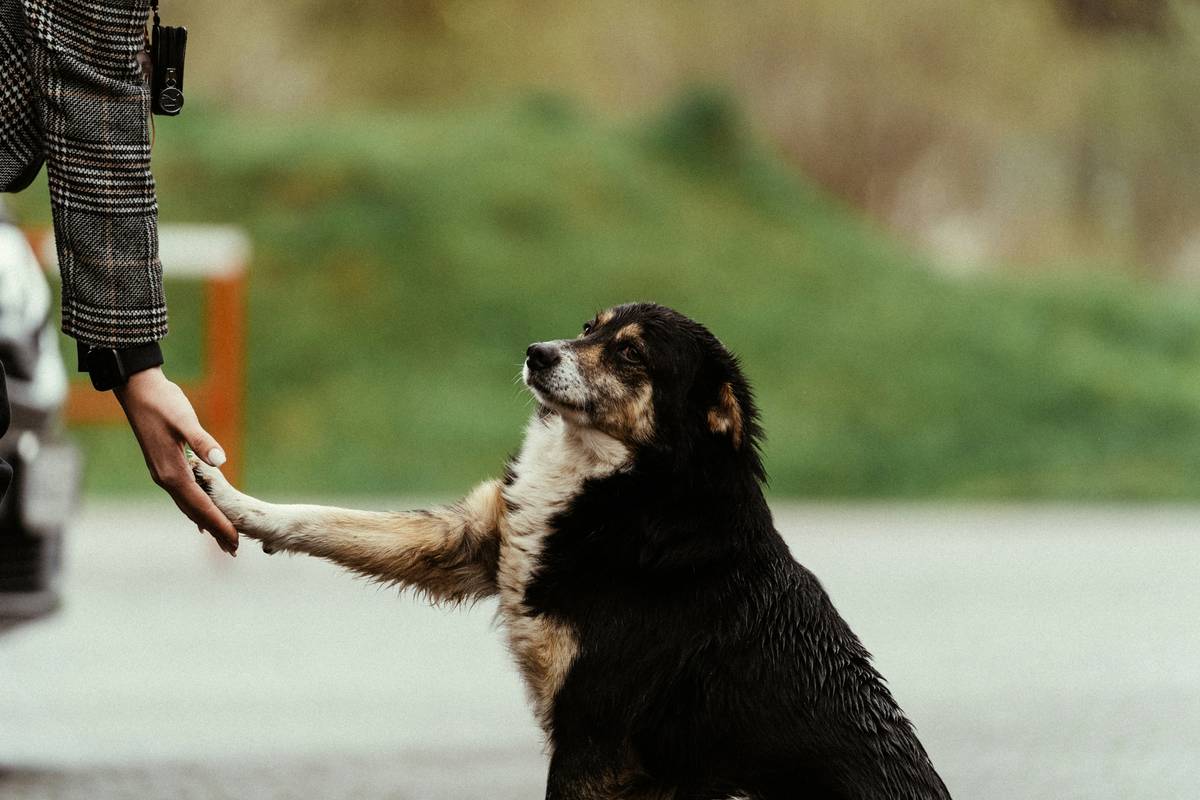
Ever tried teaching your dog “hand targeting” only to feel like you’re speaking a foreign language? You’re not alone. Many pet owners struggle with turning this seemingly simple technique into a reliable skill for competition-level obedience. Spoiler alert: it doesn’t have to be so hard!
In this guide, we’ll uncover how mastering hand targeting for obedience trials can elevate your dog’s performance from amateur fumbles to award-winning precision. Buckle up—you’re about to learn the secrets behind building focus, trust, and flawless execution.
Table of Contents
- Key Takeaways
- Why Hand Targeting Matters in Competitions
- Step-by-Step Guide to Teaching Hand Targeting
- 6 Tips for Perfecting Hand Targeting
- Real-Life Examples of Hand Targeting Wins
- Frequently Asked Questions About Hand Targeting
Key Takeaways
- Hand targeting strengthens communication between you and your dog during high-pressure situations like obedience trials.
- A consistent cue and reward system is crucial for success.
- Patient repetition builds muscle memory and confidence in both handler and pet.
- Proper timing of rewards ensures clarity and accelerates learning.
- Even experienced trainers make mistakes—don’t sweat perfection right away.
Why Hand Targeting Matters in Competitions
Let me confess something embarrassing: I once entered an obedience trial without fully mastering hand targeting. My poor pup looked at me like I was speaking Klingon when my hand moved just three inches out of place. Spoiler: we did not win any ribbons that day.
Here’s why hand targeting is such a game-changer:
- Focus: It creates a clear focal point for your dog’s attention—a lifesaver in chaotic trial environments.
- Precision: Judges love clean movements, which hand targeting helps perfect.
- Connection: This method reinforces the bond between trainer and dog through positive reinforcement.
Think of hand targeting as the secret handshake of obedience training—it’s subtle but powerful enough to set you apart in the ring.
Step-by-Step Guide to Teaching Hand Targeting
Optimist You: “This sounds easy!”
Grumpy You: “Yeah, if easy means bribing them with endless treats.”
No worries—let’s break it down step by step:
- Start Small: Hold your palm near your dog’s nose (but don’t shove it in their face). When they sniff or nudge your hand, immediately click/treat.
- Add Distance: Gradually increase the distance between you and your dog before asking for the touch.
- Introduce Verbal Cues: Once they grasp the concept, pair the behavior with a verbal command like “Touch” or “Target.”
- Vary Your Position: Practice while standing, sitting, kneeling—mix it up so your dog learns flexibility.
- Simulate Trial Scenarios: Add distractions like other people, dogs, or background noise to prep for real-life conditions.
- Reward Creatively: Keep motivation high by switching up treats or using toys instead occasionally.

6 Tips for Perfecting Hand Targeting
If there were a “Hand Targeting Hall of Fame,” these tips would get us inducted faster than Michael Jordan into basketball history:
- Timing is Everything: Mark the exact moment your dog makes contact with your hand. Any delay confuses them.
- Stay Consistent: Use the same hand position and cue every time until they’ve mastered it.
- Be Patient: Some dogs take longer than others to catch on. Remember, slow progress beats giving up entirely.
- Avoid Overloading: Don’t rush advanced steps until foundational skills are solid.
- Beware of Counterproductive Rewards: Terrible tip alert: Never punish mistakes mid-training. Instead, redirect with patience.
- Test Under Pressure: Introduce mock trials early and often to simulate competition stress.
Rant Time:
For crying out loud, stop overcomplicating this process! Too many handlers throw jargon around like “lure-reward protocols” when all you really need is consistency and treats. K.I.S.S.—Keep It Simple, Silly.
Real-Life Examples of Hand Targeting Wins
Taking inspiration from champion handler Sarah J., who credits her agility wins to impeccable hand targeting routines, proves this method isn’t fluff—it’s science-backed gold. Picture this: Sarah’s Border Collie flawlessly executes intricate sequences thanks to razor-sharp target responses sharpened over months of dedicated practice.
Even beginners see results quickly. Take Tom R.’s Golden Retriever, Max. After just six weeks of structured hand-targeting sessions, Max aced his first novice-level trial with flying colors.
Frequently Asked Questions About Hand Targeting
What if my dog ignores my hand?
Check your treat quality—if kibble isn’t cutting it, try something smelly like chicken or cheese. Dogs aren’t robots; even they appreciate upgrades!
Can aggressive dogs benefit from hand targeting?
Absolutely. In fact, it’s one of the safest ways to build trust and redirect focus away from triggering stimuli.
How long does it take to master?
Depends on the dog, but most pups nail basics within 2-4 weeks of daily practice.
Conclusion
With persistence and proper technique, mastering hand targeting for obedience trials transforms both casual walks and championship pursuits alike. From foundational principles to insider tips, arm yourself with strategies proven to work—and remember, no one nails it perfectly the first time.
So grab some treats, extend your hand, and watch the magic unfold. Oh, and here’s your bonus haiku:
Paw meets open palm,

Bond forged in shared triumphs,

Champion hearts soar.