Meta Description: Discover the art of hand targeting for detection dogs. Boost your dog’s skills and effectiveness with these step-by-step training methods.
Table of Contents
- Introduction
- Key Takeaways
- Why Hand Targeting is Crucial for Detection Dogs
- Step-by-Step Guide to Hand Targeting
- Tips and Best Practices for Effective Training
- Real-World Success Stories
- Frequently Asked Questions
- Conclusion
Introduction
Have you ever felt frustrated when your detection dog fails to pinpoint an exact location? It’s like that time I used #VeganRecipes for a bacon post—RIP engagement. Hand targeting can be the game-changer you need, transforming both your dog’s performance and your peace of mind. In this blog post, we’ll dive deep into the world of hand targeting for detection dogs, providing you with a comprehensive guide to get started. You’ll learn the importance of hand targeting, a step-by-step guide, tips and best practices, and real-world success stories.
Key Takeaways
- Understand why hand targeting is crucial for detection dogs.
- Follow a step-by-step guide to effectively train your dog.
- Implement tips and best practices for better results.
- Get inspired by real-world success stories and case studies.
Why Hand Targeting is Crucial for Detection Dogs
Hand targeting is not just a cool trick; it’s a vital skill for detection dogs. Imagine you’re in the middle of a search, and your dog is sniffing around aimlessly. Sounds like your laptop fan during a 4K render—whirrrr. Effective hand targeting helps your dog stay focused and precise, making them more reliable in high-stakes situations.
Step-by-Step Guide to Hand Targeting
Step 1: Choose the Right Treats
*Optimist You:* ‘Make sure the treats are super high-value!’
*Grumpy You:* ‘Ugh, fine—but only if they’re easy to carry.’
Select treats that your dog loves and that are small enough to be given frequently. This will keep your dog motivated and engaged throughout the training sessions.
Step 2: Start with Basic Targeting
*Optimist You:* ‘Use a simple target stick or your hand!’
*Grumpy You:* ‘Just make sure it’s not too complicated, okay?’
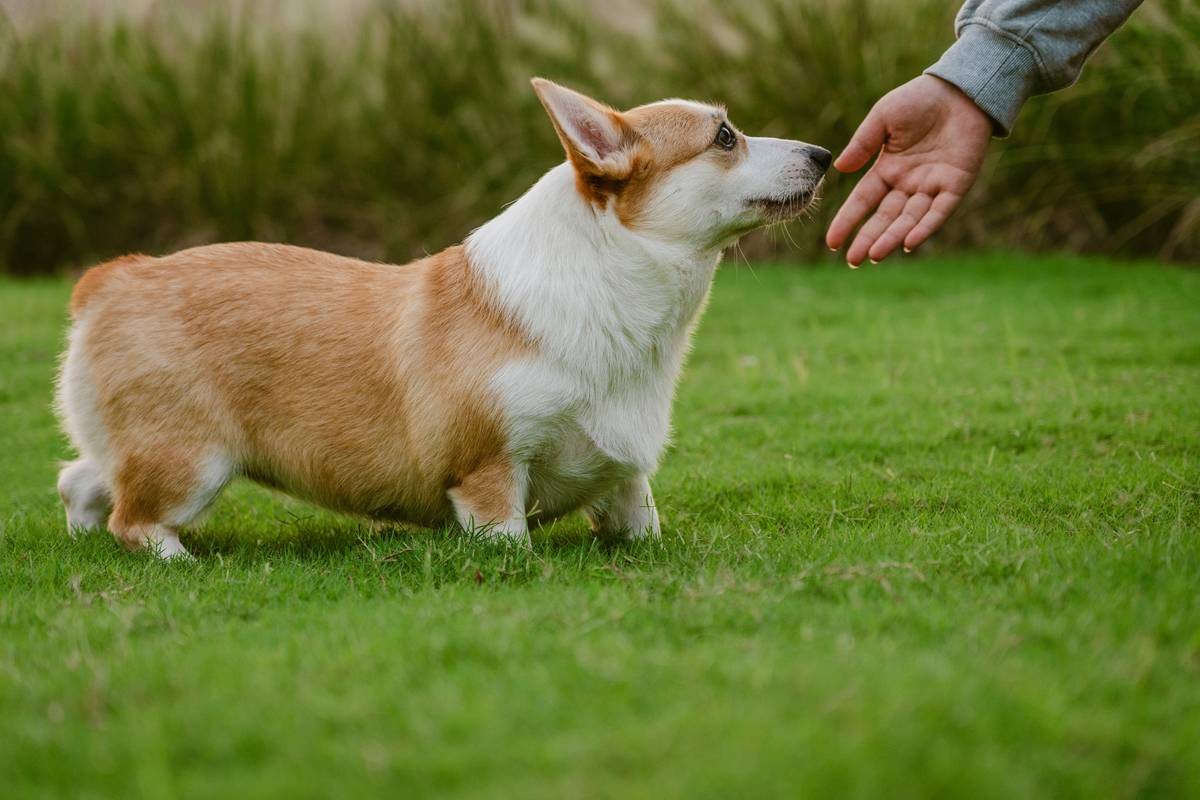
Begin by teaching your dog to touch a target stick or your hand on command. Use a verbal cue like “target” and reward your dog every time they successfully touch the target.
Step 3: Gradually Increase Complexity
*Optimist You:* ‘Move the target to different locations!’
*Grumpy You:* ‘Yeah, but don’t make it too hard, or you’ll confuse the poor dog.’
Once your dog is comfortable with basic targeting, start moving the target to different heights and locations. This will help your dog generalize the behavior and understand that the command applies in various contexts.
Step 4: Introduce Environmental Distractions
*Optimist You:* ‘Practice in different environments!’
*Grumpy You:* ‘But don’t overwhelm the dog—it’s supposed to be fun, right?’
Gradually introduce distractions to your training sessions. This will help your dog stay focused and responsive even in challenging environments.
Tips and Best Practices for Effective Training
- Be Consistent: Use the same verbal cues and hand signals every time to avoid confusion.
- Keep Sessions Short: Aim for multiple short sessions rather than one long, tiring session.
- Stay Positive: Reward your dog with plenty of treats and praise to keep them motivated.
- Avoid Overtraining: Don’t push your dog too hard. If they seem tired or lose interest, take a break.
Real-World Success Stories
Meet Max, a detection dog who struggled with pinpointing specific locations. After implementing hand targeting, Max’s accuracy improved significantly, leading to more successful searches and a happier handler. Another success story is Bella, who went from being easily distracted to focusing on her task with ease. These real-world examples show the transformative power of hand targeting.
Frequently Asked Questions
How long does it take to train a dog in hand targeting?
The time it takes to train a dog in hand targeting can vary depending on the dog’s age, breed, and temperament. Generally, it takes about 2-4 weeks of consistent training to see significant progress.
Can older dogs learn hand targeting?
Absolutely! Older dogs can learn new tricks, including hand targeting. The key is to be patient and consistent with the training.
What should I do if my dog isn’t interested in the treats?
If your dog isn’t interested in the treats, try using a different type of high-value reward, such as a toy or playtime. Sometimes, mixing up the rewards can rekindle their interest.
Conclusion
Hand targeting is a powerful tool for detection dogs, helping them become more precise and reliable in their work. By following the step-by-step guide and implementing the best practices, you can transform your dog’s performance. Remember, consistency and patience are key. Happy training!
Like a Tamagotchi, your dog’s skills need daily care and attention. Keep at it, and you’ll see the results.