Table of Contents
- Introduction
- Key Takeaways
- Why Hand Targeting for Detection Matters
- How to Train Your Pet Using Hand Targeting for Detection
- Pro Tips to Perfect Hand Targeting for Detection
- Success Stories: Real-Life Examples of Hand Targeting in Action
- Frequently Asked Questions About Hand Targeting for Detection
- Conclusion
Have You Ever Tried Training Your Dog with a Flick of the Wrist? Here’s Why You Should!
Ever found yourself frustrated because your dog just won’t listen during walks, or worse—keeps ignoring commands entirely? Yeah, us too. But what if we told you there’s a simple, effective way to communicate with your furry friend using nothing but your hand? Enter “hand targeting for detection,” a game-changing pet training technique that can transform your bond and improve obedience faster than ever.
In this post, we’ll unpack what hand targeting for detection is, why it works like magic, and how you can master it step by step. By the end of this guide, you’ll have all the tools you need to turn your pup into a responsive superstar. Buckle up—it’s about to get pawsome!
What You’ll Learn:
- Why hand targeting for detection stands out as one of the most effective methods.
- A detailed breakdown of how to teach your pet this life-changing skill.
- Tips to troubleshoot common mistakes (spoiler: I once forgot treats during a session—epic fail).
Key Takeaways
- Hand targeting involves teaching your pet to touch their nose to your open palm on cue.
- This method builds trust, focus, and impulse control while being incredibly versatile.
- Common pitfalls include rushing the process and inconsistent reinforcement.
- Patience and consistency are non-negotiable when mastering hand targeting for detection.
Why Hand Targeting for Detection Matters
Pet owners worldwide struggle with finding reliable ways to train their animals without resorting to harsh corrections or expensive gimmicks. Enter hand targeting—a method so powerful that professional trainers swear by its versatility. Whether you’re navigating crowded streets, preventing leash pulling, or simply improving communication with your pet, hand targeting for detection is your secret weapon.
But why does it work so well? Imagine this: Every time your hand becomes a signal for something positive, your pet associates it with safety, fun, and rewards. It’s like creating a universal “follow me” button for your four-legged pal. And yes, even cats can learn it!
How to Train Your Pet Using Hand Targeting for Detection
Optimist You: “Let’s try this today!”
Grumpy You: “If only coffee were involved…but fine, let’s dive in.”
Step 1: Start Simple
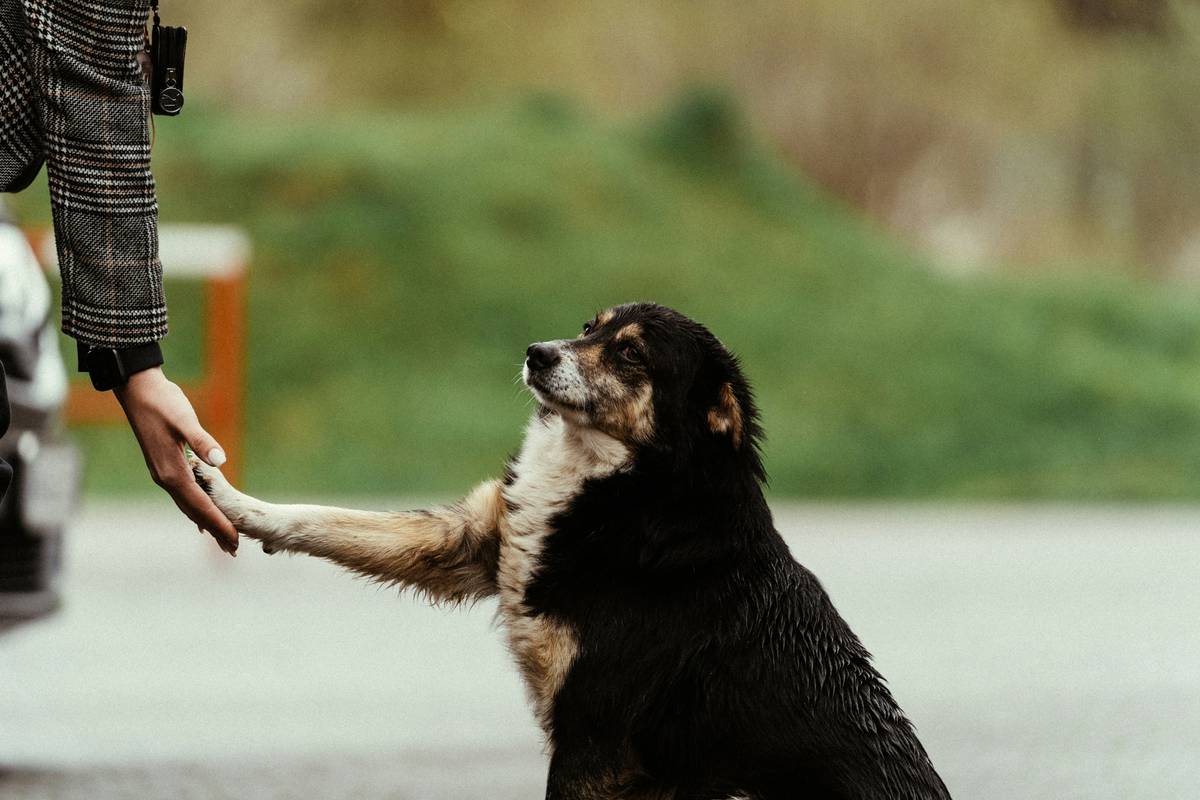
Find a quiet space where distractions are minimal. Hold your empty hand close to your pet’s face, palm facing them. When they naturally sniff or nudge your hand, immediately say “Yes!” or click your clicker (if you’re using one) and reward with a treat.
Step 2: Add Verbal Cues
Once your pet consistently touches your hand, introduce a verbal cue like “Target” or “Touch.” Repeat the exercise until they respond reliably to both visual and verbal prompts.
Step 3: Increase Distance
Gradually move your hand further away from your pet before asking them to target. This teaches them to focus on following your direction no matter where your hand moves.
Step 4: Practice Random Movements
To make things interesting, use unpredictable patterns like moving side-to-side or circling around. This enhances their ability to follow commands dynamically.
Pro Tips to Perfect Hand Targeting for Detection
- Be Consistent: Always use the same gestures and cues to avoid confusing your pet.
- Don’t Rush: Mastery takes time; celebrate small wins along the way.
- Reinforce Positivity: Treats aren’t the only reward—praise and affection go a long way.
- Avoid This Terrible Tip: Never punish your pet for not responding quickly enough. Patience > frustration.
Rant Alert:
Can we talk about those generic YouTube tutorials promising instant results? Spoiler alert: They never work! Training isn’t an overnight miracle—it’s a journey filled with trial and error. Resist the urge to cut corners, folks!
Success Stories: Real-Life Examples of Hand Targeting in Action
Take Lucy, a rescued Labrador who used to pull relentlessly on her leash. After weeks of practicing hand targeting for detection, she now responds instantly whenever her owner extends their hand—even mid-walk near squirrels!
Or consider Bella, a shy cat adopted from a shelter. Her new family taught her hand targeting to overcome fear-based behavior. Now, she confidently explores new environments thanks to her newfound confidence boost.
Frequently Asked Questions About Hand Targeting for Detection
Q: Can older pets learn hand targeting?
A:
Absolutely! While puppies may pick it up faster, older dogs (and even cats) benefit immensely from mental stimulation through training.
Q: What if my pet ignores my hand?
A:
Patiently reset the scenario. Start closer and ensure there’s enough motivation (read: delicious treats).
Q: How long should each session last?
A:
Keep sessions short—around 5-10 minutes—to maintain enthusiasm and prevent burnout.
Conclusion
Hand targeting for detection isn’t just another trick—it’s a foundation for stronger communication between you and your pet. From boosting obedience to fostering deeper bonds, the benefits speak for themselves.
Remember, progress might feel slow at first, but every little victory counts. So grab some snacks, take a deep breath, and give your furry friend the gift of understanding through hand targeting. Ready to start? *Insert paw emoji here.*
“Like giving a Tamagotchi daily care,
Your SEO needs love, your pets deserve flair.
Hand target today, tomorrow they shine,
Invisible leash? Pure gold design.”