Ever spent an hour trying to teach your dog a simple trick, only to have them freeze or get distracted? Yeah, we’ve all been there.
If you’re ready to take your dog’s training game up a notch, it’s time to dive into the art of dog trick transitions. This guide will walk you through mastering target training techniques that make switching between tricks as smooth as butter. By the end, you’ll have actionable steps, tips, and even some laughs (because let’s face it—dogs are hilarious). Let’s do this!
Table of Contents
- Key Takeaways
- What Are Dog Trick Transitions?
- Step-by-Step Guide to Mastering Target Training
- Best Practices for Seamless Trick Transitions
- Real-Life Success Stories
- Frequently Asked Questions About Dog Trick Transitions
- Conclusion
Key Takeaways
- Dog trick transitions involve moving seamlessly from one behavior to another using cues and consistency.
- Target training simplifies complex commands by teaching your dog to focus on specific “targets.”
- Using positive reinforcement keeps your pup motivated during challenging transitions.
- Avoid rushing the process; patience is key to success.
What Are Dog Trick Transitions?
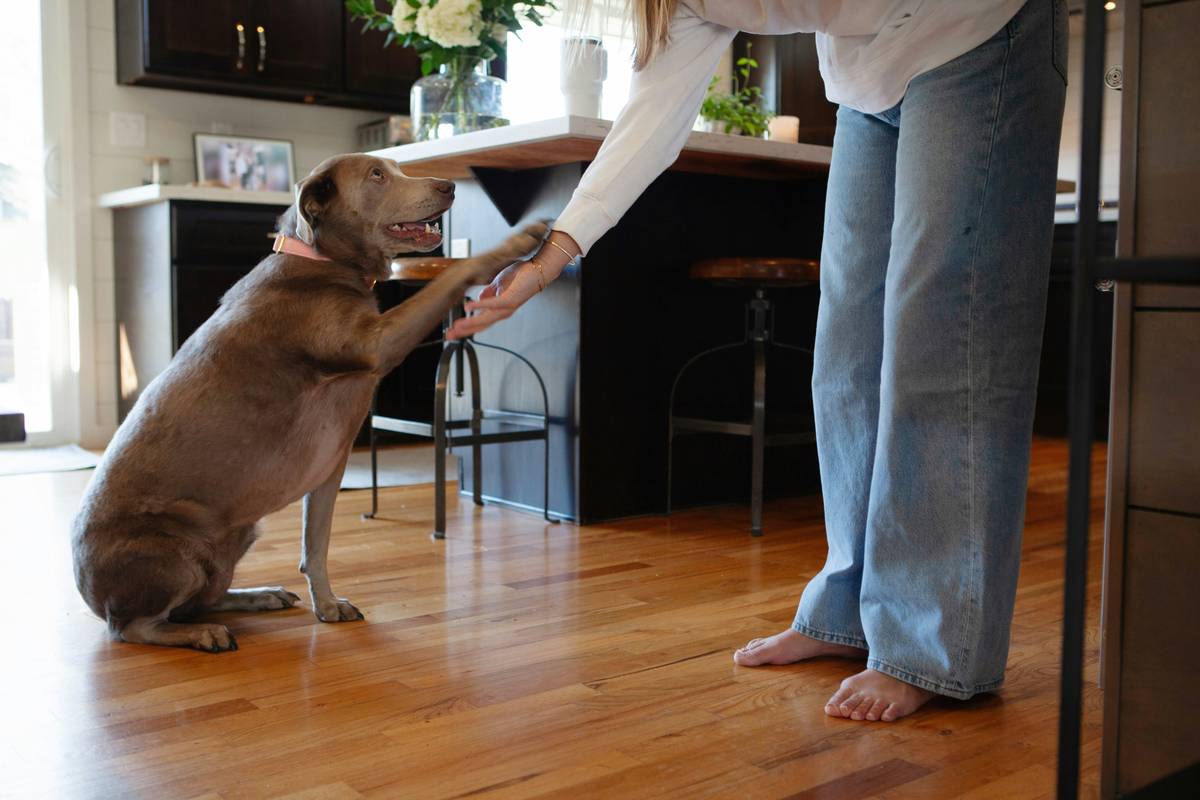
Think about watching a dog show where dogs effortlessly jump through hoops, spin in circles, and weave between poles—without missing a beat. That magical flow is the result of well-trained dog trick transitions. Simply put, these transitions involve shifting smoothly from one trained behavior to another without confusion or hesitation.
Why They Matter: Without proper transitions, your dog might struggle to understand what’s expected next, leading to frustration for both of you. Enter target training, which acts as a bridge between actions, making everything more fluid.
Personal Pet Peeve Alert:
“I once tried to combine sit-stay-spin without prepping my dog properly—it was like her mind exploded into chaos soup. Lesson? Don’t skip foundational work.”
Step-by-Step Guide to Mastering Target Training
Alright, Optimist You, let’s break this down. Grumpy You? Grab your coffee because here comes the good stuff.
Step 1: Start Small—Teach Your Dog About Targets
A “target” can be anything specific your dog focuses on, like a stick, your hand, or even a mat. Introduce this concept gently:
- Hold the target close to your dog’s nose.
- When they touch it, reward immediately with treats or praise.
- Repeat until they consistently reach for the target.
Step 2: Add Basic Commands Around the Target
Now it’s time to layer behaviors around the target:
- Command your dog to sit near the target.
- Move the target slightly away and ask them to come to it while standing.
- Reward each step generously.
Step 3: Build Transition Cues
Here’s where the magic happens:
- Use verbal signals (like “spin” after “come”).
- Combine multiple short sequences (e.g., touch → sit → stand).
- Increase complexity gradually but stay patient!
Best Practices for Seamless Trick Transitions
Practice Positive Reinforcement
Nobody likes working under pressure—not humans, not dogs. Use high-value treats, toys, or belly rubs to encourage progress.
Keep Sessions Short & Snappy
Dogs lose focus fast. Aim for 5-10 minute sessions max, especially when introducing new concepts.
Terrible Tip Disclaimer
Punish bad attempts harshly so they learn faster. Uh… nope. Never punish your dog for struggling. Instead, redirect their energy and celebrate small wins.
Stay Consistent
Consistency builds trust. If “touch” means the same thing every time, your dog won’t second-guess you.
Real-Life Success Stories
Case Study: Max the Border Collie
Max mastered three different dog trick transitions within two weeks of consistent practice. His owner used a DIY wand as a target and paired basic tricks like paw-shake and twirl. The secret sauce? Patience and lots of squeaky tennis balls.
Viral Video Moment:
Check out Bella the Poodle on Instagram (@BellaThePoodlePro) effortlessly transitioning from a backflip to spin combo. Spoiler alert: She started with baby steps months ago.
Frequently Asked Questions About Dog Trick Transitions
How Long Does It Take to Train My Dog for Seamless Transitions?
Every dog learns at their own pace. Expect weeks to months depending on age, breed, and prior training experience.
Can I Teach Older Dogs New Tricks—and Transitions?
Absolutely! Older dogs may require extra patience but can still excel with repetition and encouragement.
What If My Dog Gets Stuck During Transitions?
Go back to basics. Simplify the sequence and reinforce individual parts before attempting the full transition again.
Conclusion
Congrats—you now know how to master dog trick transitions through effective target training. Remember, the goal isn’t perfection; it’s connection. With enough practice, your furry friend will ace those slick moves in no time.
Oh, and one last thing:
Snacks, love, repeat—
Doggo dreams come true indeed,
Tricks flow like jazz now.