Ever spent hours trying to teach your dog a simple trick, only to end up frustrated and covered in treats? Yeah, us too. But what if we told you there’s a smarter, more effective way—target training? Whether you’re working on mastering dog trick finesse or just want to impress your friends at the dog park, this guide has everything you need.
In this post, we’ll dive into the art of target training and show you how it transforms basic tricks into polished performances. You’ll uncover step-by-step methods, actionable tips, and even some brutally honest advice (because let’s face it—not all tricks go as planned). Ready? Let’s unleash the potential of your pup!
Table of Contents
- Why Target Training is the Ultimate Tool for Dog Trick Finesse
- Step-by-Step Guide to Mastering Target Training
- Tips for Perfecting Your Dog Trick Finesse
- Real-Life Success Stories: From Chaos to Canine Genius
- Frequently Asked Questions About Dog Trick Finesse
Key Takeaways
- Target training simplifies complex tricks by breaking them into small, manageable steps.
- Consistency and positive reinforcement are key to achieving dog trick finesse.
- Even “impossible” dogs can learn with patience and the right techniques.
- Failing early is part of the process—embrace mistakes as learning opportunities.
Why Target Training is the Ultimate Tool for Dog Trick Finesse
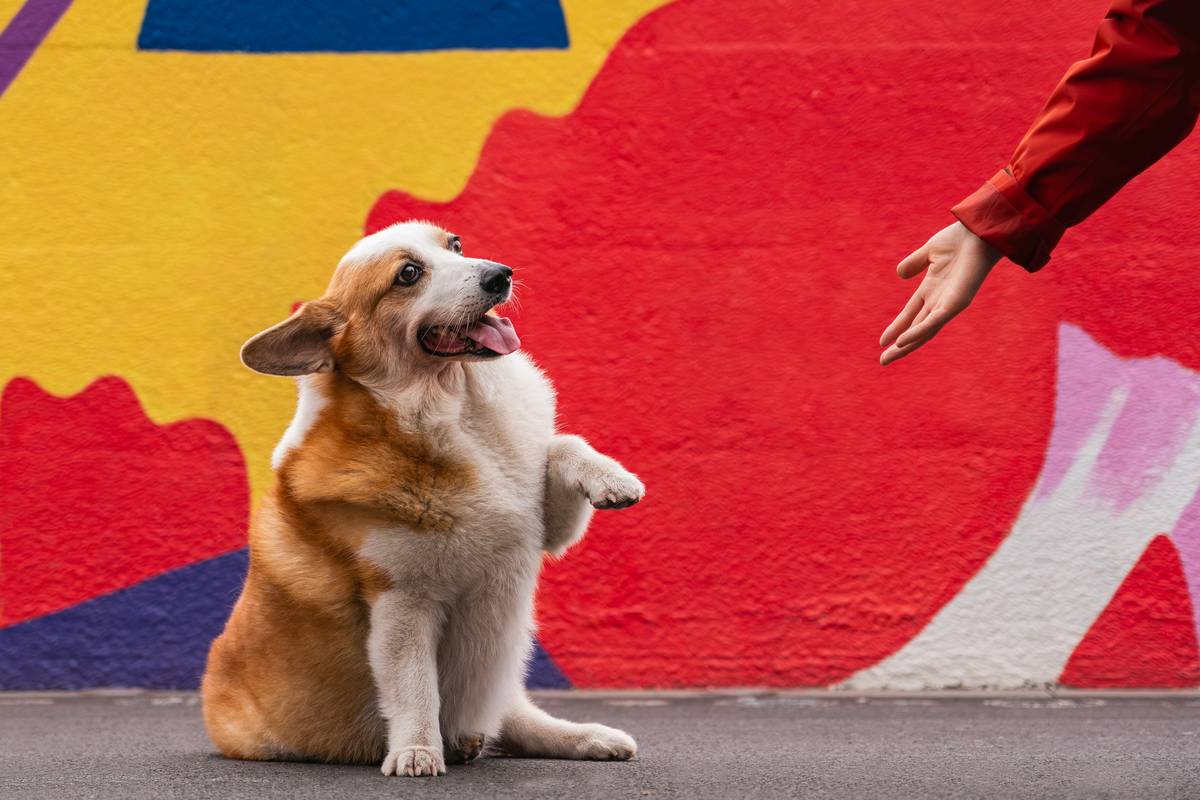
Imagine teaching your dog to spin in circles without yelling commands or waving arms wildly. Sounds impossible, right? Not with target training. The concept is simple yet powerful: train your dog to follow a visual cue—a “target”—like a stick, hand, or object. Once your pup understands targeting, you can use it to refine any trick into pure dog trick finesse.
Confessional Fail: I once spent an entire weekend trying to teach my golden retriever to jump through a hoop using verbal cues alone. Spoiler alert: He stared blankly while I flailed like a cartoon character. It wasn’t until I introduced a target stick that he finally grasped the concept. Lesson learned.
Not only does target training boost precision, but it also minimizes confusion and frustration—for both human and hound. And who doesn’t love a less chaotic training session?
Step-by-Step Guide to Mastering Target Training
Let’s break down the method that turns clumsy pups into trick-performing pros:
Step 1: Choose Your Target
Start with something easy for your dog to recognize, like a clicker, finger, or wand. Keep it consistent so they know exactly what to focus on.
Step 2: Introduce the Concept
Reward your dog every time their nose touches the target. Repeat this enough times, and they’ll start associating the touch with praise (and treats!). Sounds simple? It *is*. Chef’s kiss for training simplicity.
Step 3: Add Movement
Once your dog reliably targets the object, move it around slightly. This builds anticipation and encourages following behavior.
Step 4: Incorporate Tricks
Use the target to guide movements, like spinning, weaving, or jumping. For example, hold the target low to encourage a bow or high to prompt a leap.
Step 5: Remove the Target Gradually
Finally, phase out the physical target and replace it with verbal cues or gestures. Voilà! You’ve nailed dog trick finesse.
Tips for Perfecting Your Dog Trick Finesse
- Keep Sessions Short: Five to ten minutes max per session to maintain focus and fun.
- Up the Ante Gradually: Increase difficulty slowly; rushing leads to meltdowns (theirs, not yours).
- Mix Up Rewards: Sometimes it’s food, sometimes toys, sometimes belly rubs. Variety keeps things exciting.
- Avoid Overwhelming Environments: Start in quiet spaces before moving to distractions like parks or busy streets.
- Be Patient: Remember Grumpy Optimist rules—you might feel like giving up, but stick with it!
Real-Life Success Stories: From Chaos to Canine Genius
Tina from Colorado struggled endlessly with her border collie Max. Known for his boundless energy, Max often ignored commands altogether. Enter target training. Using a stick and endless enthusiasm, Tina taught Max to weave through poles in under two weeks. Now? He performs agility courses with grace and speed, earning cheers at local competitions.
Frequently Asked Questions About Dog Trick Finesse
Q: How long does it take to see results?
A: Every dog learns differently, but many owners report noticeable progress within a week when practicing daily.
Q: What if my dog gets distracted easily?
A: Distractions happen. Start in quieter environments and build up exposure gradually. Patience pays off!
Q: Do older dogs struggle with new tricks?
A: Nope! Age is just a number. Older dogs may take longer, but they’re fully capable of mastering dog trick finesse.
Q: Is punishment ever necessary?
A: Never! Positive reinforcement always wins. Punishment creates fear and ruins trust.
Conclusion
Teaching your dog new tricks isn’t about forcing outcomes—it’s about fostering connection, understanding, and joy. With target training as your foundation, achieving dog trick finesse becomes not only possible but enjoyable. So grab those treats, embrace the occasional oops moments, and watch your four-legged friend flourish.
And remember: Like a Tamagotchi, your SEO needs daily care—but your dog? Just needs a whole lot of love.