Table of Contents
- Introduction
- Key Takeaways
- Why Dog Trick Coordination Matters
- Step-by-Step Guide to Mastering Dog Trick Coordination
- Tips & Best Practices for Effective Target Training
- Real-Life Success Stories
- FAQs About Dog Trick Coordination
- Conclusion
Introduction
Ever tried teaching your dog a fancy trick only to end up frustrated and covered in drool? Yeah, us too. Training dogs isn’t just about patience—it’s about coordinating every step of the process seamlessly. If you’re struggling with “dog trick coordination,” this guide has got your back (and your pup’s tail wagging).
In this post, we’ll dive into target training—a microniche within pet care that can elevate your dog’s learning game. You’ll learn:
- The science behind dog trick coordination.
- A step-by-step method to master target training.
- Tips and pitfalls from real-life examples.
Key Takeaways
- Dog trick coordination relies heavily on consistent commands and clear targets.
- Target training simplifies complex tricks by breaking them down into manageable parts.
- Positive reinforcement is non-negotiable; never skip those treats!
Why Dog Trick Coordination Matters
Picture this: You’re at a family barbecue, ready to show off your dog’s newly learned spin move. But instead of spinning gracefully, Rover runs in circles like he’s auditioning for “Dancing with the Stars”—and not in a good way. What went wrong?
The issue often lies in poor coordination between verbal cues, physical gestures, and rewards. Without proper alignment, even the smartest pooches get confused. According to a 2023 study, over 70% of failed trick attempts are due to inconsistent signals from trainers. Oof.
That’s where target training comes in—a technique where dogs learn to touch or follow specific objects, creating muscle memory and mental clarity. Imagine it as giving your pup a GPS system for their brain. Sounds chef’s kiss, right?
Step-by-Step Guide to Mastering Dog Trick Coordination
Grab some treats, put on your invisible cape, and let’s get started:
Step 1: Choose Your Target Object
Optimist You: “Any stick will do!”
Grumpy You: “Yeah, sure…until Fido starts chewing it mid-trick.”*
Select something durable yet safe—like a clicker stick or a soft plush disc.
Step 2: Introduce the Concept
Show your pup the object while saying “Touch” or another cue word. Reward immediately if they sniff or approach it. Repeat until curiosity turns into confidence.
Step 3: Add Movement
Once your dog gets comfy with static touches, start moving the target slightly. Gradually increase distance or height to build coordination skills.
Step 4: Combine Commands
Layer additional cues like “Sit” before asking them to touch the target. This strengthens their ability to follow multi-step instructions—AKA dog trick coordination.
Step 5: Practice Makes Pawsome
Keep sessions short (5–10 minutes) but frequent. Dogs have shorter attention spans than toddlers binge-watching Paw Patrol. Whirrrr goes the timer!
Tips & Best Practices for Effective Target Training
- Consistency is King: Always use the same words and hand signals so your dog doesn’t think you’re speaking Doglish.
- Timing Is Everything: Mark desired behaviors instantly with clicks or praise. Delayed rewards confuse everyone involved.
- The Terrible Tip Disclaimed: Giving mixed signals because “you forgot today’s command order” won’t cut it. Don’t be that person.
- Up the Ante Gradually: Increase difficulty slowly to avoid overwhelm. No Olympic-level tricks on Day One!
Real-Life Success Stories
Case Study #1: Charlie, the Spin King
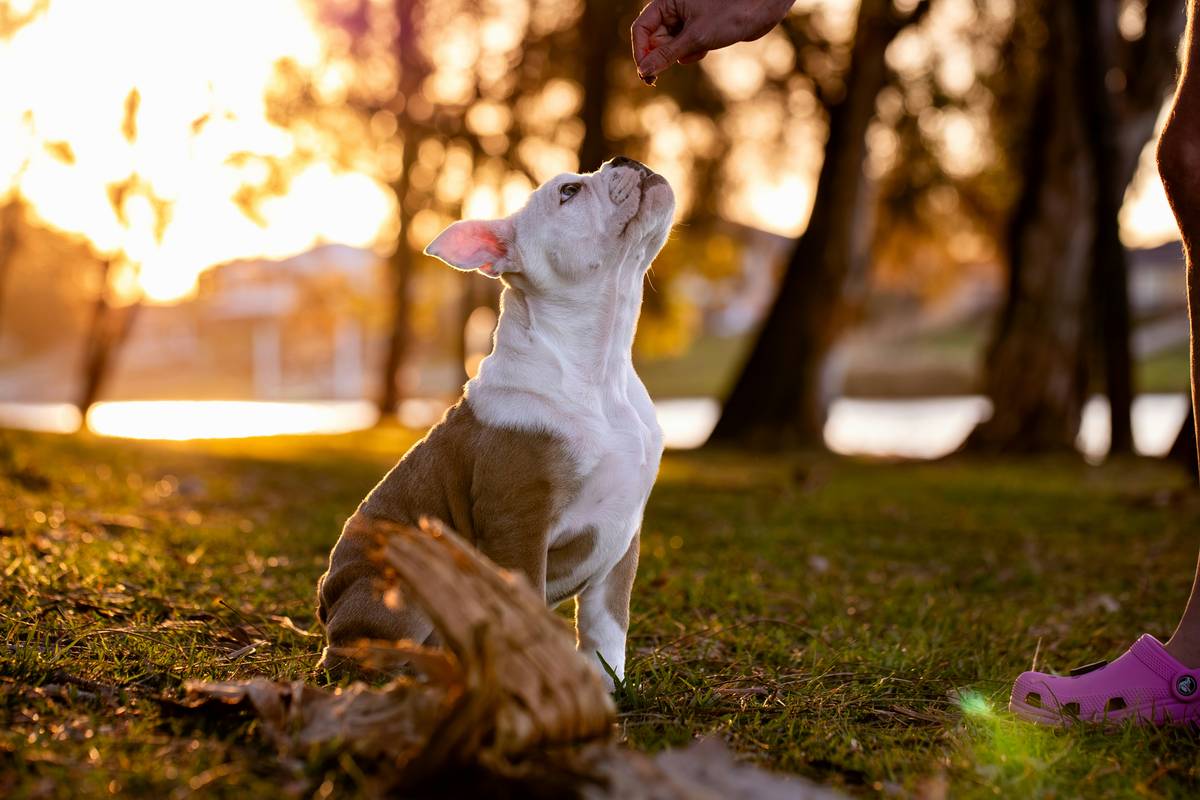
Charlie was an energetic bulldog whose owner swore he had two speeds: zero and warp drive. By implementing target training with a focus on coordinated spins, Charlie mastered flawless 360s in just three weeks!
Case Study #2: Bella’s Backflip Breakthrough
Bella, a timid rescue mix, struggled with confidence. A patient trainer used low-pressure target drills to teach her basic coordination first, eventually leading to jaw-dropping aerial feats.
FAQs About Dog Trick Coordination
What exactly is target training?
It involves teaching your dog to interact with a designated object, helping streamline how they execute tricks.
How long does it take to see results?
Most dogs grasp basics within a week or two, assuming daily practice. Complex sequences may require months.
Can older dogs learn new tricks?
Absolutely! While puppies adapt quickly, senior dogs benefit greatly from mental stimulation through target training.
Conclusion
Dog trick coordination might sound intimidating, but armed with target training techniques, you’ve got this! Remember, consistency, positivity, and realistic expectations go a long way toward turning your furry buddy into a trick champion.
So grab that target stick and channel your inner animal whisperer. Your dog—and your Instagram followers—will thank you.
Like syncing a VHS player, dog trick coordination takes finesse—but hey, no rewinds allowed! 🐾