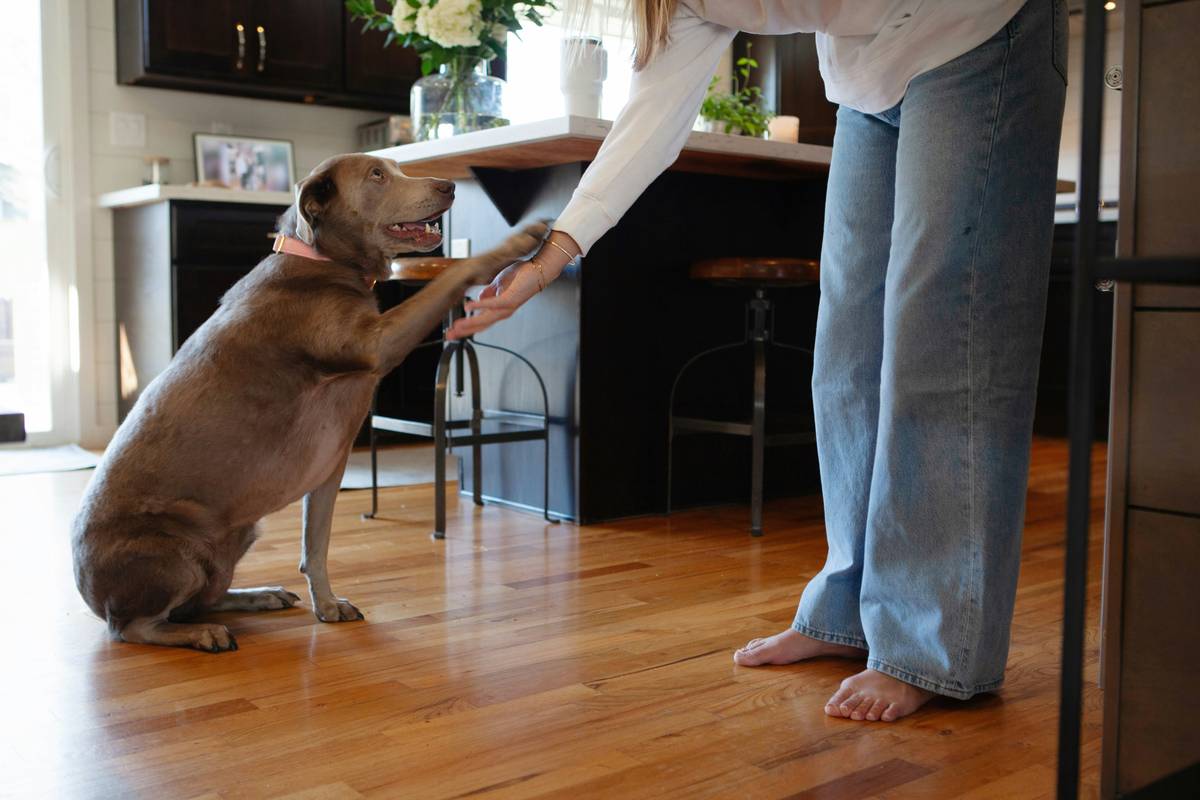
Ever tried teaching your dog to shake hands, only for them to bark at you instead? Yeah, we’ve all been there. Teaching a dog cool tricks isn’t just about fun—it’s about building trust, strengthening bonds, and even improving their mental health. But let’s face it, getting those paws in sync can feel like trying to solve a Rubik’s cube blindfolded.
In this guide, you’ll learn:
- Why target training is the secret sauce for mastering dog trick coordination.
- A step-by-step process to train effectively.
- Tips and tools to keep your pup engaged.
- Real-life examples that prove consistency works.
- Frequently asked questions answered by an expert (that’s us).
Table of Contents
- Key Takeaways
- Section 1: Why Dog Trick Coordination Matters
- Section 2: The Step-by-Step Guide to Target Training
- Section 3: Tips for Better Dog Trick Coordination
- Section 4: Real-Life Success Stories
- Section 5: FAQs About Dog Trick Coordination
- Conclusion
Key Takeaways
- Target training lays the foundation for seamless dog trick coordination.
- Start small—focus on one trick at a time before combining actions.
- Praise goes further than punishment: Positive reinforcement is king!
- Patience is non-negotiable; training takes time but pays off big-time.
Why Dog Trick Coordination Matters
Let’s get one thing straight: dog trick coordination isn’t just about showing off at parties or impressing Aunt Karen. It’s deeply tied to your pup’s cognitive development and emotional well-being. Dogs are natural problem solvers—they thrive when they have goals to achieve.
But here’s my confessional fail moment: I once spent two weeks teaching my Labrador to fetch…a slipper. Problem was, he kept bringing me random socks from the laundry basket because I hadn’t set clear boundaries (oops). That taught me something crucial—you need a framework, especially when working toward complex feats like synchronized tricks.
Think about it: If humans benefit from structured learning plans, why would our furry friends be any different? Enter target training, the unsung hero of pet education. Picture this—instead of yelling commands, you use a handheld target stick to guide your dog through motions. Smooth as butter, right?
The Step-by-Step Guide to Target Training
What Is Target Training?
Target training involves using a physical object, such as a stick or clicker, as a marker for where you want your dog to focus its attention. Here’s how to start:
- Select Your Tool: Use a target stick, spoon, or anything long enough for your dog to touch comfortably.
- Teach Touch: Hold the tool near your dog’s nose. Reward them every time they sniff or touch it.
- Add Commands: Say “touch” as they make contact with the target.
- Move Targets Around: Once comfortable, move the target slightly away so your dog must follow and reach it.
- Layer Tricks: Combine targets with basic obedience skills, like sit or lie down, for better dog trick coordination.
“Wait, Does This Really Work?” Grumpy You vs. Optimist You
Optimist You: “It totally works! Trust me; Fluffy will thank you later!”
Grumpy You: “Ugh, fine—but only if coffee’s involved.”
Tips for Better Dog Trick Coordination
- Keep Sessions Short: Aim for 5-10 minutes per session. Dogs lose interest faster than Wi-Fi drops during a Zoom call.
- Celebrate Small Wins: Reward incremental progress—treats, belly rubs, whatever makes tails wag.
- Terrible Tip Alert: Never force movement! Forcing can confuse or frustrate your pup. Always encourage gently.
- Use Clear Markers: Clickers or verbal cues like “yes!” help pinpoint exactly what behavior earned praise.
Real-Life Success Stories
Meet Luna, a Border Collie whose owner swore she had zero patience for tricks until she discovered target training. After four months of dedicated practice, Luna mastered three synchronized moves—spin, bow, then jump—all triggered by a single target cue. Talk about chef’s kiss.
Another success story comes from Max, a rescue Pitbull who wouldn’t even look his owners in the eye. Through target training, Max learned to weave between cones and perform circus-worthy spins. His owner describes the transformation as “hearing silence turn into symphony.”
FAQs About Dog Trick Coordination
Q: How long does it take to see results?
A: While individual rates vary, most dogs show improvement within 2-4 weeks of consistent practice.
Q: Can older dogs learn new tricks?
A: Absolutely! Older pups may require more patience, but age is no barrier to learning. As long as they’re healthy, they’re ready to rock.
Q: What treats work best?
A: High-value snacks like chicken bits or peanut butter (without xylitol!) keep motivation high.
Conclusion
If there’s one thing I want you to remember, it’s this: Dog trick coordination is not magic—it’s method. By embracing target training, you unlock endless possibilities for bonding and brainpower together.
So grab that stick, summon some patience (and maybe pour yourself another coffee), and watch your four-legged friend transform into a superstar.
Riddle me this:
Two paws up
One leap forward
Best friends forever—that’s dog love.