Ever tried teaching your dog a trick only to end up with them chasing their tail or staring blankly at you? Yeah, we’ve all been there.
Welcome to your one-stop guide for mastering dog trick balance, a crucial skill in target training that’ll leave both you and your furry friend feeling accomplished. In this post, you’ll discover the secrets behind effective balance training, actionable steps to get started, and tips to keep your pup engaged. Plus, a sprinkle of humor—and maybe even some nostalgia—because teaching tricks should be fun, right?
Table of Contents
- Key Takeaways
- Understanding Dog Trick Balance
- Step-by-Step Guide to Dog Trick Balance
- Tips for Successful Training Sessions
- Real-Life Success Stories
- Frequently Asked Questions
Key Takeaways
- Dog trick balance is an essential component of target training, helping dogs develop focus and coordination.
- Success relies on consistency, patience, and positive reinforcement.
- Avoid rushing the process; let your dog set the pace.
- Use tools like clickers and treat rewards strategically.
- Case studies show dogs can learn complex tricks when trained systematically.
Understanding Dog Trick Balance
I once spent three hours trying to teach my Labrador to “balance” a kibble on his nose. Let’s just say it wasn’t exactly chef’s kiss. He ended up eating the kibble faster than I could blink. Sound familiar?
The truth is, balancing objects or performing coordinated movements requires more than repetition. Without proper technique, frustration builds—for both you and your pooch. That’s where target training comes in. It’s not just about getting your dog to perform; it’s about creating trust and understanding through incremental progress. Imagine building blocks of success. One tiny movement leads to another until BAM! Your dog balances like a pro.
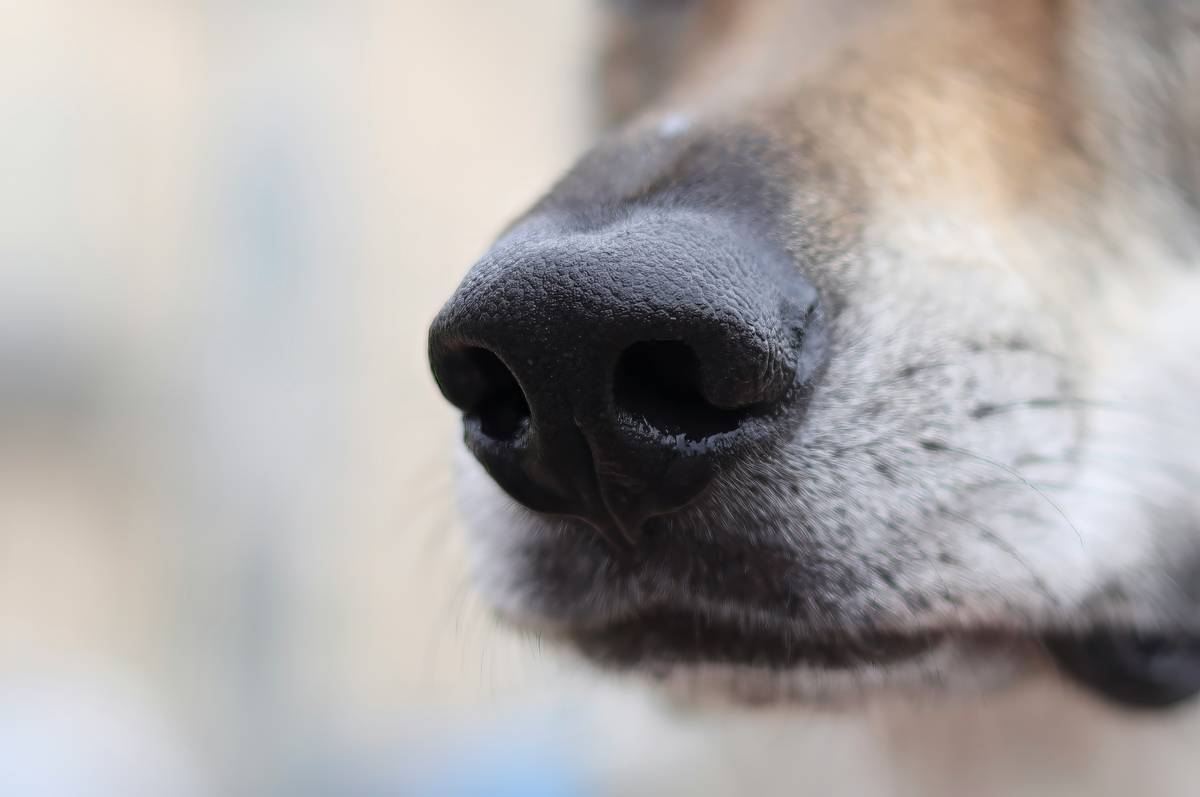
Doggy acrobat in action: Mastering balance starts with targeted guidance.
Step-by-Step Guide to Dog Trick Balance
What Exactly Is Target Training?
Optimist You: “This will transform Fluffy into a Cirque du Soleil performer!”
Grumpy Me: “Ugh, fine—but only if snacks are involved.”
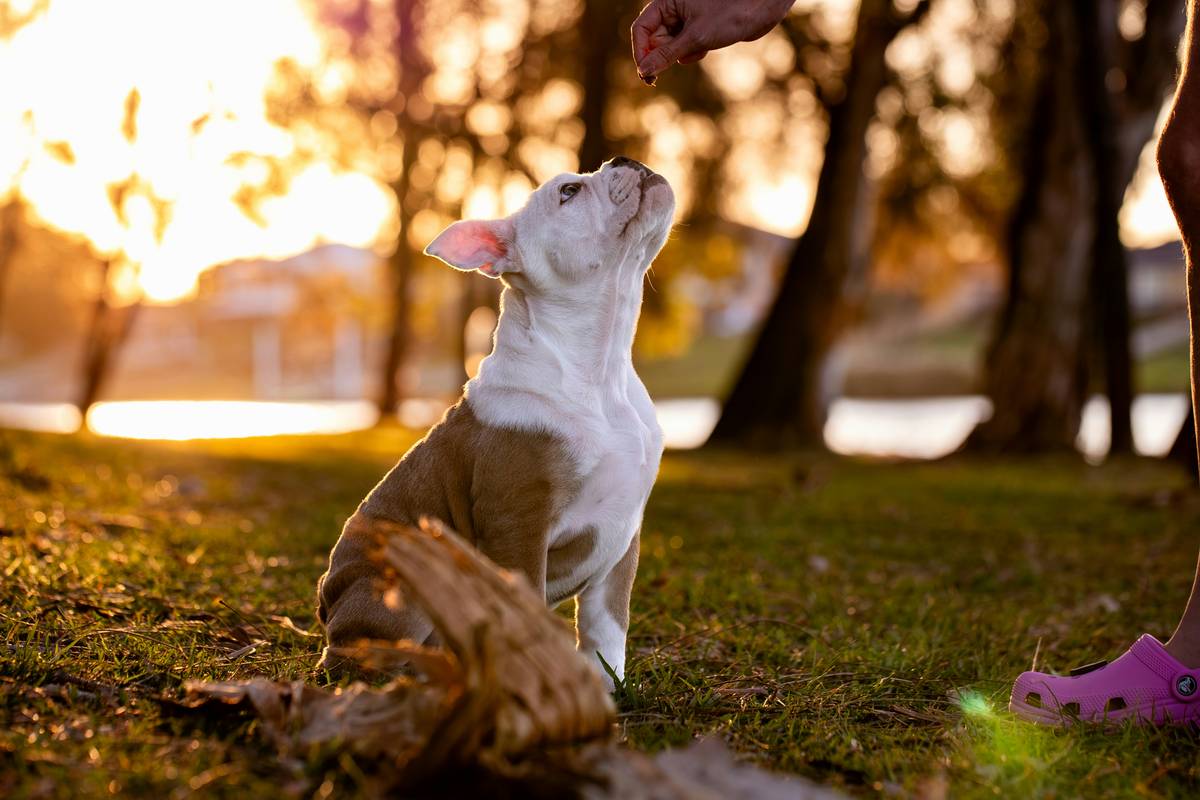
Target training involves teaching your dog to touch or interact with specific objects (like your hand or a stick) as “targets.” Once they’re comfortable following these targets, you can introduce balancing acts.
Step 1: Choose the Right Target Tool
- Start simple: Your finger, a spoon, or a lightweight stick works wonders.
- Ensure the object is safe and won’t harm your pet.
- Rant Alert: Please don’t use sticks covered in splinters, folks. Basic safety matters!
Step 2: Teach Touch Commands
Encourage your dog to touch the target gently using verbal cues like “touch” while rewarding them with treats. Repeat this step until they respond instantly every time.
Step 3: Add Balance Elements Gradually
Introduce small objects like foam balls or plastic rings. Guide them with the target tool until they hold steady. Reward generously, because patience pays off big time here.
Step 4: Increase Complexity Slowly
Think about stacking cups or walking along a narrow beam (safely supervised). Break each goal into microtasks so your dog never feels overwhelmed.
Tips for Successful Training Sessions
- Keep Sessions Short: Aim for 5–10 minutes max to avoid burnout.
- Mix Up Rewards: Rotate between treats, toys, and praise.
- Create a Safe Environment: Avoid slippery floors or distractions.
- Celebrate Small Wins: If Rover manages to balance something briefly, cheer wildly!
- Terrible Tip Disclaimer: Never punish mistakes. Positive reinforcement wins every time!
Real-Life Success Stories
Meet Bella, a Beagle who went from zero discipline to balancing five stacked cups within six months. Her owner credits short, consistent practice sessions paired with lots of cuddles and playtime after training.
Another success story? Max the Border Collie, whose Instagram fame skyrocketed thanks to his incredible balancing abilities. From watermelons to frisbees, he now performs with precision—and yes, plenty of target training was involved!
Frequently Asked Questions
How Long Does It Take to Train My Dog for Tricks Involving Balance?
It depends on your dog’s personality, age, and prior experience. Generally, weeks to months are needed for mastery.
Can Older Dogs Learn New Tricks Like Balancing?
Absolutely! While puppies adapt quickly, older dogs often benefit from slower pacing, which helps prevent injuries.
What If My Dog Gets Frustrated During Training?
Take a break. Revisit later with shorter exercises and higher-value rewards.
Conclusion
There you have it—your roadmap to conquering dog trick balance using target training methods. Remember, the key lies in patience, positivity, and perseverance. Whether your goal is entertainment or strengthening the bond with your four-legged companion, this journey promises joy for everyone involved.
And hey, like a Tamagotchi needing daily care, your dog’s skills thrive on regular attention and love. Now go out there and make those tails wag!
Haiku Time:
Balanced paws wobble,
Treats bring triumph to snouts—
Dance of dog delight.