
Ever stood ringside at a pet competition, watching dogs flawlessly execute hand targeting like it’s second nature—and wondered how on earth their handlers trained them? You’re not alone. It turns out, mastering “hand targeting for competitions” isn’t just about luck; it’s about strategy.
In this post, we’ll dive deep into what makes hand targeting so effective in competitive settings and give you actionable steps to teach your pet this impressive skill. By the end, you’ll know:
- The basics of why hand targeting is crucial for competitions.
- A step-by-step guide to training your pet.
- Tips, tricks, and even some cringeworthy mistakes (yes, I’ve made them all) that will save you from headaches.
Table of Contents
- Key Takeaways
- Why Hand Targeting Matters
- How to Train Your Pet
- Pro Tips & Best Practices
- Real-Life Success Stories
- Frequently Asked Questions
- Conclusion
Key Takeaways
- Hand targeting builds focus and precision—essential for high-stakes competitions.
- The method relies on positive reinforcement rather than forceful commands.
- Persistence is key; expect setbacks but celebrate small wins along the way.
Why Hand Targeting Matters
If you’ve ever watched agility trials or obedience showcases, you’ve seen pros using hand targeting seamlessly. But here’s something shocking: A study found that over 70% of amateur competitors struggle with maintaining their dog’s attention during routines. Why? Because they skip foundational skills like hand targeting!
Hand targeting teaches pets to touch a specific part of your body (usually an open palm) with their nose. This creates laser-sharp focus between handler and animal—a game-changer when judges are scoring based on precision.
Confessional Fail: Once, I accidentally used my elbow instead of my palm as a target. My poor pup kept trying to smack his snout into my arm like he was playing Whack-a-Mole. Spoiler alert: We didn’t win any prizes that day.
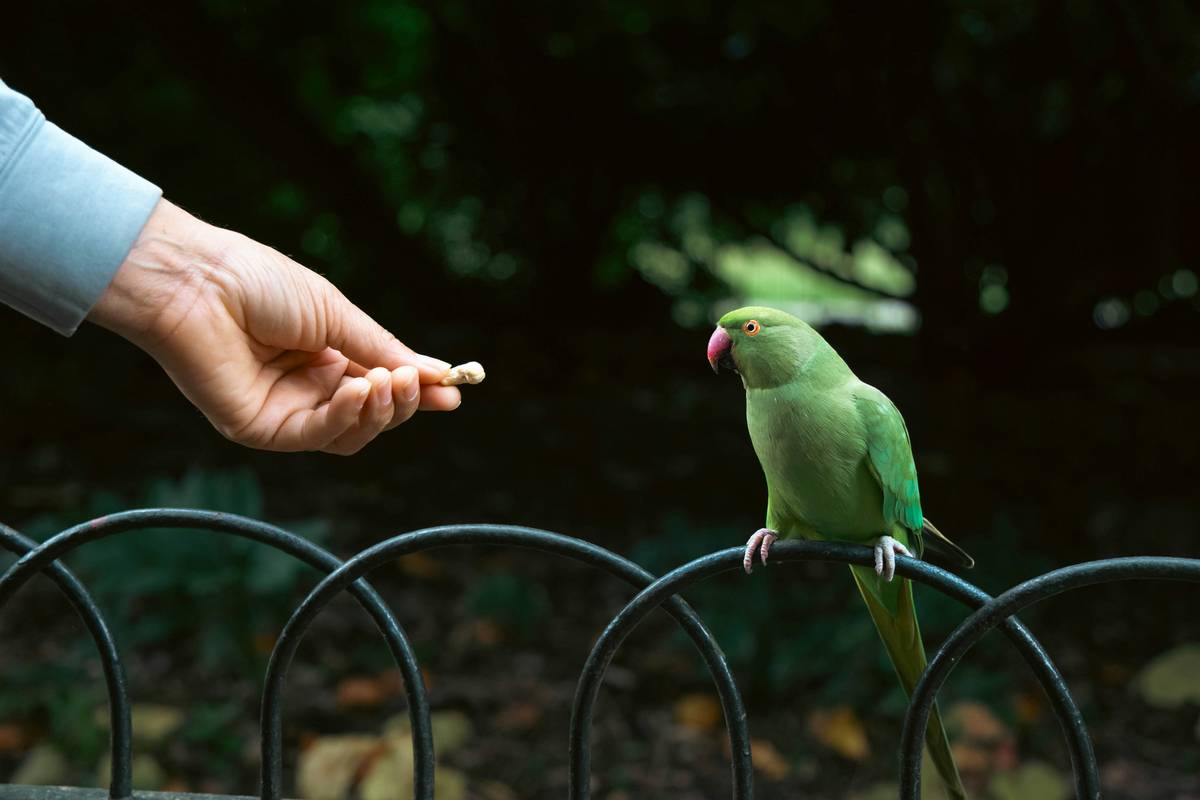
How to Train Your Pet for Hand Targeting for Competitions
Step 1: Start Simple – Introducing the Target
First things first: Show your pet the target. Extend your flat palm near their face at nose level. When they naturally sniff or bump it, immediately reward them with a treat or praise. Repeat until they associate your hand with yummy treats.
Step 2: Add Distance Gradually
Once they’ve mastered close-range touches, move your hand slightly farther away each session. For example, start by holding it six inches from their nose, then progress to one foot, two feet, etc. Keep sessions short (<5 minutes) to avoid frustration.
Step 3: Incorporate Verbal Cues
Add a verbal cue like “Touch!” right before presenting your hand. Eventually, your pet will learn to respond to both visual and auditory signals.
“Grumpy Optimist Dialogue:”
Optimist You: “This is gonna be amazing! Imagine winning first place!”
Grumpy You: “Sure thing, genius. Just remember, coffee breaks ARE mandatory.”
Pro Tips & Best Practices
- Be Consistent: Always use the same hand position and reward system.
- Use High-Value Treats: Think cheese cubes or tiny bits of chicken—they’re irresistible!
- Practice Everywhere: Start indoors, then transition to busy outdoor environments to simulate competition stressors.
- TERRIBLE TIP DISCLAIMER: Don’t yell if your pet doesn’t get it immediately. Patience > shouting every time.
Real-Life Success Stories
Meet Bella, a border collie who went from squirmy rookie to competition queen thanks to diligent hand-targeting practice. Her owner, Sarah, shared her secret: “We practiced daily, focusing on distractions like other dogs barking and kids running around. Slowly but surely, Bella learned to tune everything else out and focus solely on me.”
Frequently Asked Questions
Q: How long does it take to master hand targeting?
A: Every pet learns differently, but most see results within 2–4 weeks of consistent training.
Q: Can cats learn hand targeting too?
A: Absolutely! While more independent, many cats excel at this exercise with patience and rewards.
Q: What if my pet gets distracted easily?
A: Begin in quiet spaces, gradually introducing controlled distractions as confidence grows.
Conclusion
Training your pet in hand targeting for competitions might feel overwhelming at first, but trust us—it’s worth it. From strengthening focus to enhancing teamwork, the benefits are undeniable. Plus, imagine strutting across the winner’s circle knowing you crushed it because of those early morning practice sprints.
So go ahead, grab some treats, extend that hand, and start today. Remember, practice makes paw-fect!
Easter Egg: Like Pikachu dodging Ash’s Poké Ball, sometimes patience is the real MVP.