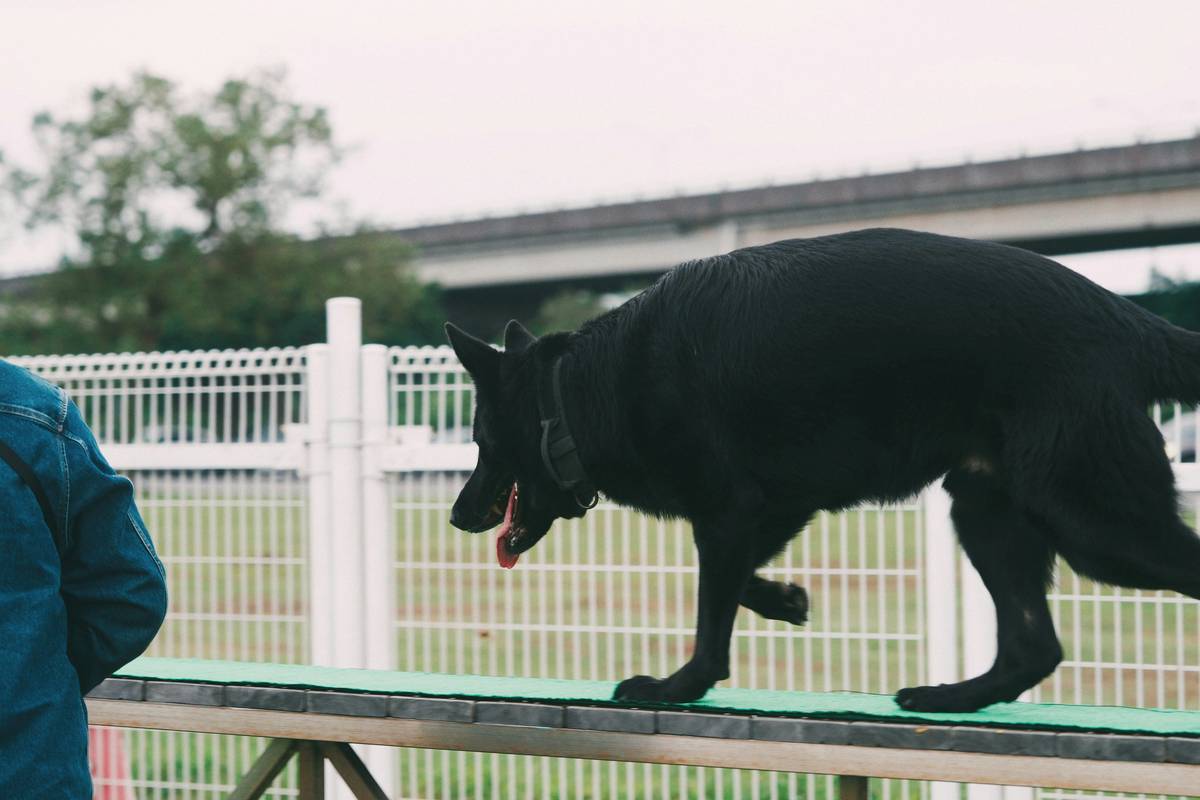
Ever felt like your dog is more of a couch potato than an athlete-in-training? Picture this: You’re trying to teach your pup some agility tricks, and they just sit there staring at you like you’ve asked them to solve a calculus problem. Frustrating, right? That’s where hand targeting comes in—a game-changing method that can take your pet from lazy lounging to Olympic-level obedience. In this guide, we’ll dive deep into the art of “hand targeting for sports,” including its benefits, how-tos, and expert tips so you both can dominate those agility courses.
Table of Contents
- Key Takeaways
- Why Hand Targeting for Sports Matters
- How to Teach Your Pet Hand Targeting for Sports
- Best Practices for Mastering Hand Targeting
- Real-World Success Stories: From Zero to Agility Hero
- Frequently Asked Questions About Hand Targeting
Key Takeaways
- Hand targeting builds trust and focus between pets and owners.
- It’s especially effective for competitive sports like agility training and disc dog competitions.
- Precision is key—always reward quick responses!
- Avoid overloading your pet; short sessions are better than long ones.
- This technique works for dogs, cats, and even birds (yes, really).
Why Hand Targeting for Sports Matters
Let me confess something embarrassing: I once tried teaching my Golden Retriever to weave through poles using voice commands alone. Spoiler alert—it was a disaster. My poor buddy looked confused as heck while I screamed “LEFT, NO RIGHT!” Now imagine if instead, I had focused on building clear communication via hand targeting. “Chef’s kiss” for pure efficiency.
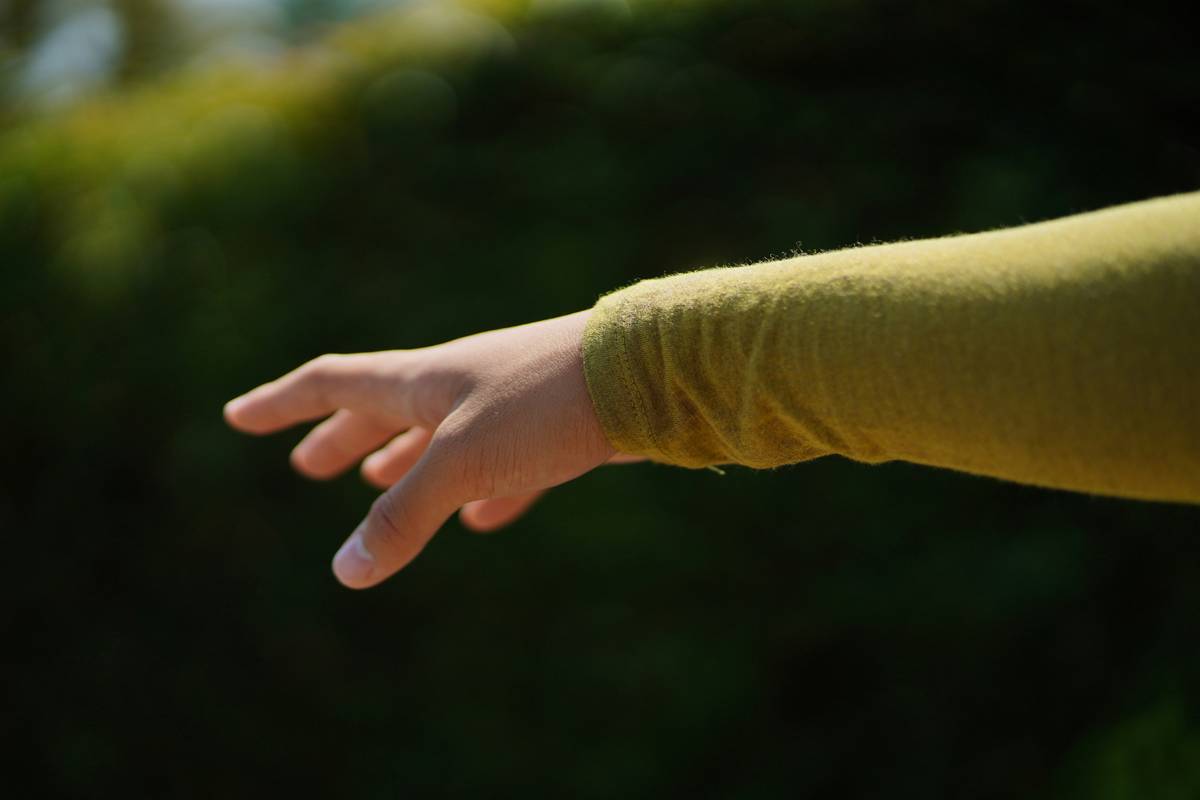
Hand targeting involves training your pet to touch their nose or paw to your extended hand or target stick. Why does this matter? Well:
- Focused Communication: It minimizes confusion by providing visual cues rather than relying solely on verbal commands.
- Improved Focus: If your furry friend tends to get distracted easily, hand targeting keeps their attention locked onto you.
- Sport-Specific Benefits: Whether it’s tracking agility courses or catching frisbees mid-air, precision matters—and hand targeting teaches exactly that.
How to Teach Your Pet Hand Targeting for Sports
Alright, let’s cut to the chase. Here’s how to master this ninja-level skill.
Step 1: Start Simple – Touch My Hand
Optimist You:* “This will be easy peasy lemon squeezy!”
Grumpy Me:* “Ugh, only if snacks are involved.”
- Put a treat in one hand and extend the other towards your pet.
- When they sniff or touch your empty hand, mark the behavior (e.g., say “Yes!”) and immediately reward with the treat.
- Repeat until they consistently touch your hand without hesitation.
Step 2: Add Distance
Now, start moving your outstretched hand slightly farther away each time. Encourage your pet to come toward it. Once they’ve got the hang of approaching you, begin adding distractions to build their focus muscle.
Step 3: Incorporate Movement
Remember when I told you about yelling directions at my dog? Yeah, don’t do that. Instead, guide them naturally through obstacles by extending your hand where you want them to go. Boom—less yelling, more winning.
Best Practices for Mastering Hand Targeting
Here’s the deal: Not all methods work for every pet. So here’s what NOT to do:
- TERRIBLE TIP DISCLAIMER: Trying to rush your pet into advanced moves too soon? Great way to lose their interest faster than Netflix cancels unpopular shows.
Instead, follow these best practices:
- Keep Sessions Short: Aim for 5–10 minutes max to avoid burnout.
- Use High-Value Rewards: Think chicken bits or cheese cubes, not boring kibble.
- Mix It Up: Practice indoors, outdoors, with toys—variety keeps things exciting.
Real-World Success Stories: From Zero to Agility Hero
Meet Max, the Border Collie who went from chasing squirrels to winning local agility championships thanks to consistent hand targeting drills. Or Luna, the shelter cat whose owner used clicker-based hand targeting to train her for obedience competitions.
The takeaway? No matter the species, patience + persistence = success. Sound simple enough? Good luck convincing your stubborn feline otherwise… *whirrrr* sounds like the laptop fan of someone editing hours of trial footage.
Frequently Asked Questions About Hand Targeting
Can hand targeting help shy or anxious pets?
Absolutely! By building trust through predictable gestures, nervous pets gain confidence over time.
Are treats always necessary?
Nope, but they sure speed up learning. Eventually, replace food rewards with praise or play.
What if my pet refuses to participate?
Rant incoming! Pets shut down when pushed too hard. Step back, simplify tasks, and revisit later. Patience isn’t optional.
Conclusion
From boosting focus to enhancing performance in sports like agility and frisbee, mastering hand targeting for sports is a win-win for you and your four-legged athlete. Remember, keep it fun, stay consistent, and don’t forget the treats!
Like a Tamagotchi, your SEO needs daily care.
Haiku time:
Pet sniffs hand, leaps high,
Disc catches sunlit arc—
Victory tastes sweet.