Hook: Have you ever watched your detection dog sniff out a tennis ball but completely ignore the illicit package it was trained to find? Yeah, we’ve been there too. Object discrimination is no walk in the park—but with the right target training methods, your pup can learn to ace the challenge.
In this post, we’ll uncover everything you need to know about object discrimination for detection dogs, from breaking down the basics to step-by-step training strategies. By the end, you’ll have actionable takeaways, pro tips, and even some quirky advice (yes, including one terrible tip).
Table of Contents
- Key Takeaways
- Why Object Discrimination Matters
- How to Train Your Dog in Object Discrimination
- Pro Tips and Best Practices
- Real-World Success Stories
- FAQs About Object Discrimination for Detection Dogs
Key Takeaways
- Object discrimination helps detection dogs focus on specific targets while ignoring distractions.
- Target training requires patience, consistency, and positive reinforcement.
- Common mistakes include rushing the process or using inconsistent rewards.
- This skill is crucial not just for K9 units but also for therapy work and sports like scentwork competitions.
Why Object Discrimination Matters
Pretend you’re at an airport security checkpoint. A detection dog approaches luggage stacked high, each piece oozing different scents—from freshly baked cookies to sweaty gym socks. Now imagine if that dog couldn’t distinguish between these smells. Chaos would ensue!
That’s where object discrimination comes in. It’s all about teaching your dog to identify specific scents linked to particular objects—a life-saving skill in many scenarios. But why does it matter so much outside professional settings?
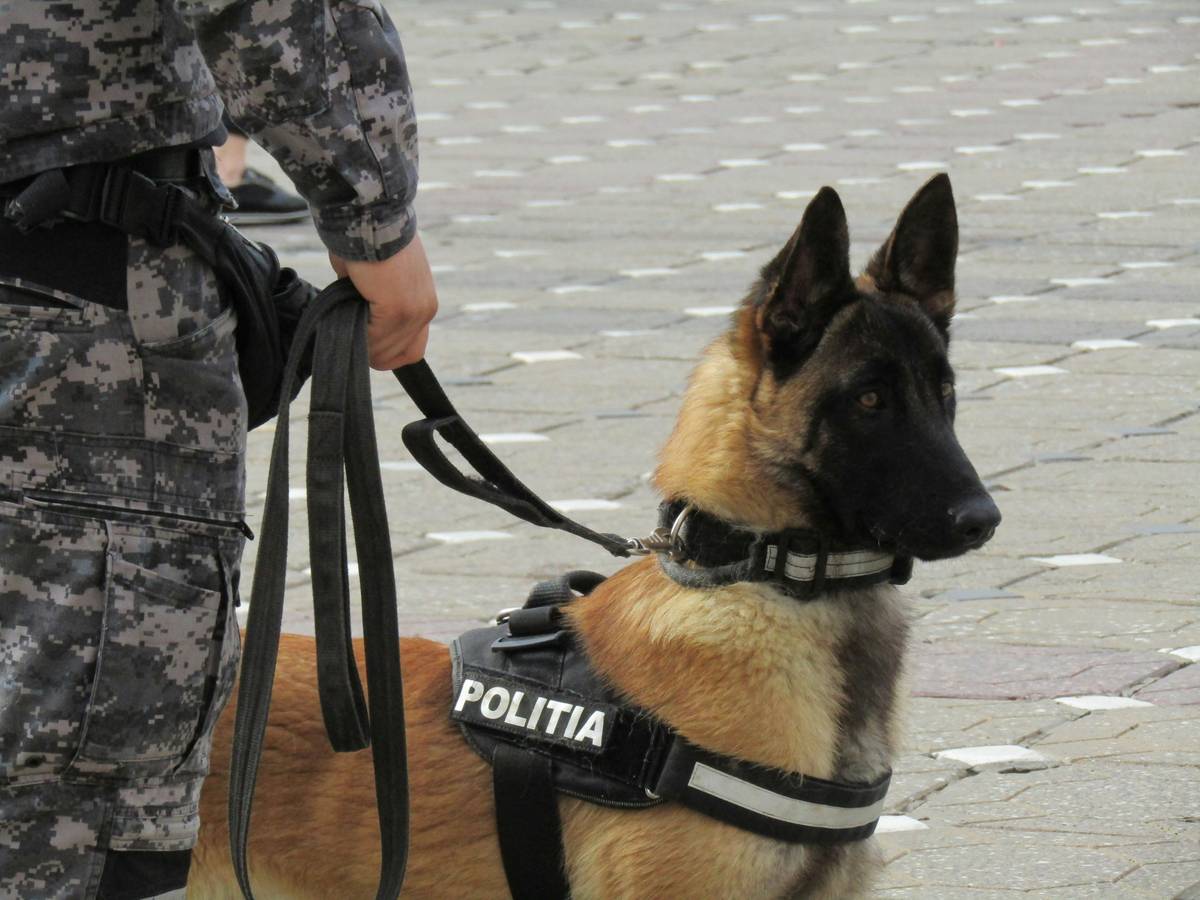
“Confession time: when I first started training my German Shepherd, I accidentally rewarded her for detecting cat treats instead of cocaine residue (not ideal!). Moral of the story: precision matters.”
Grumpy Optimist Dialogue
Optimist You: “This will make my dog unstoppable!”
Grumpy You: “Ugh, fine—but only after five cups of coffee and several existential crises over whether she really understands ‘target’ vs. ‘snack.’”
How to Train Your Dog in Object Discrimination
Training a dog in object discrimination isn’t rocket science, but it does require a solid plan. Let’s break it down into digestible steps.
Step 1: Start Simple—Associate a Scent with a Reward
- Choose a target scent (e.g., birch oil).
- Pair the scent with a treat every time your dog shows interest.
- Gradually increase difficulty by introducing non-target scents nearby.
Sounds simple enough, right? Well, buckle up—it gets trickier.
Step 2: Introduce Decoy Objects
Place multiple items on the ground—some neutral, others unscented—and ensure your dog zeroes in on the correct one consistently before moving on.
Quick Aside: Be wary of what I call the “Terrible Tip.” Never mix food smells with target scents during early training. Why? Because if your dog associates their favorite snack with the wrong odor, good luck undoing that mess later.
Step 3: Up the Ante—Environmental Challenges
Once your dog masters object discrimination indoors, try adding variables like wind direction, noise, or visual distractions. This builds resilience and sharpens focus.
Pro Tips and Best Practices
- Use High-Quality Rewards: Treats should be small, tasty, and motivating enough to keep Fido engaged.
- Keep Sessions Short: Aim for 5–10 minutes max per session to avoid burnout.
- Stay Consistent: Always use the same commands and gestures to avoid confusion.
- Celebrate Small Wins: Positive reinforcement goes a long way!
Real-World Success Stories
Veterinarian Spotlight: Dr. Emily Carter shares how her Labrador, Max, became a certified detection dog thanks to rigorous object discrimination drills. “At first, he kept going after the wrong suitcase,” she recalls. “But within weeks, his accuracy skyrocketed. His secret weapon? Tons of praise and liver-flavored biscuits!”
FAQs About Object Discrimination for Detection Dogs
How long does it take to train a dog in object discrimination?
On average, expect anywhere from three months to a year, depending on the dog’s breed, age, and aptitude.
Can any dog learn object discrimination?
Most breeds can! However, certain ones excel due to their natural tracking instincts, such as Bloodhounds or Belgian Malinois.
Is professional help necessary?
While DIY training works for basic skills, hiring a professional trainer ensures faster progress and avoids costly errors.
Conclusion
From sniffing out contraband to excelling in competitive trials, mastering object discrimination for detection dogs opens doors to countless possibilities. With consistent effort, patience, and plenty of treats, you’ll soon see breakthroughs that prove worth every minute invested.
And now, because life needs a little whimsy:
Sniff, search, find,
A nose knows its mark—
Like Tamagotchis needing daily care.