“Ever spent an hour trying to teach your dog a simple trick, only to end up with more frustration than results? Yeah, we’ve all been there.”
Welcome to the world of dog trick elegance, where every flick of the paw or wag of the tail is not just functional but graceful. In this post, we’ll uncover how target training can transform clunky commands into seamless movements that showcase your pup’s natural finesse. By the end, you’ll have actionable steps, insider tips, and some laugh-out-loud honesty about what *actually* works in pet training.
Table of Contents
- Why Target Training Matters for Elegance
- Step-by-Step Guide to Mastering Target Training
- Top Tips for Elevating Your Dog’s Tricks
- Real-Life Success Stories of Canine Grace
- Frequently Asked Questions About Target Training
Key Takeaways
- Target training creates precision and elegance in dog tricks by focusing on specific cues.
- A step-by-step approach ensures consistency without overwhelming both trainer and pet.
- Small tweaks—like shorter sessions and better rewards—can make a huge difference in performance.
- Patience is key; even dogs need practice to achieve “chef’s kiss” perfection.
Why Target Training Matters for Achieving Dog Trick Elegance
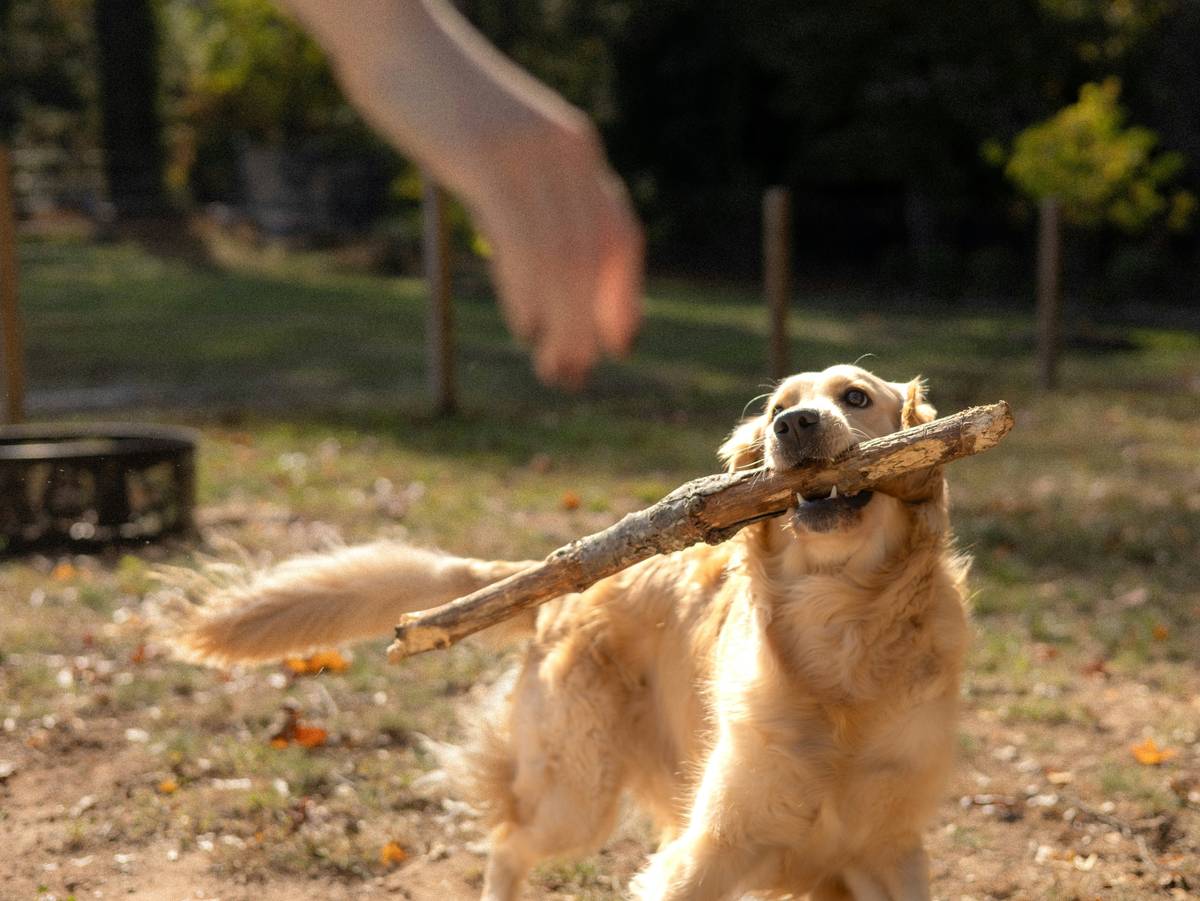
Let me start with a confession: I once tried teaching my Golden Retriever, Max, how to spin using hand signals alone. It was chaos. He spun like he was auditioning for a clumsy sitcom instead of showcasing elegance. Enter target training—a method so effective it felt like swapping dial-up internet for fiber optics.
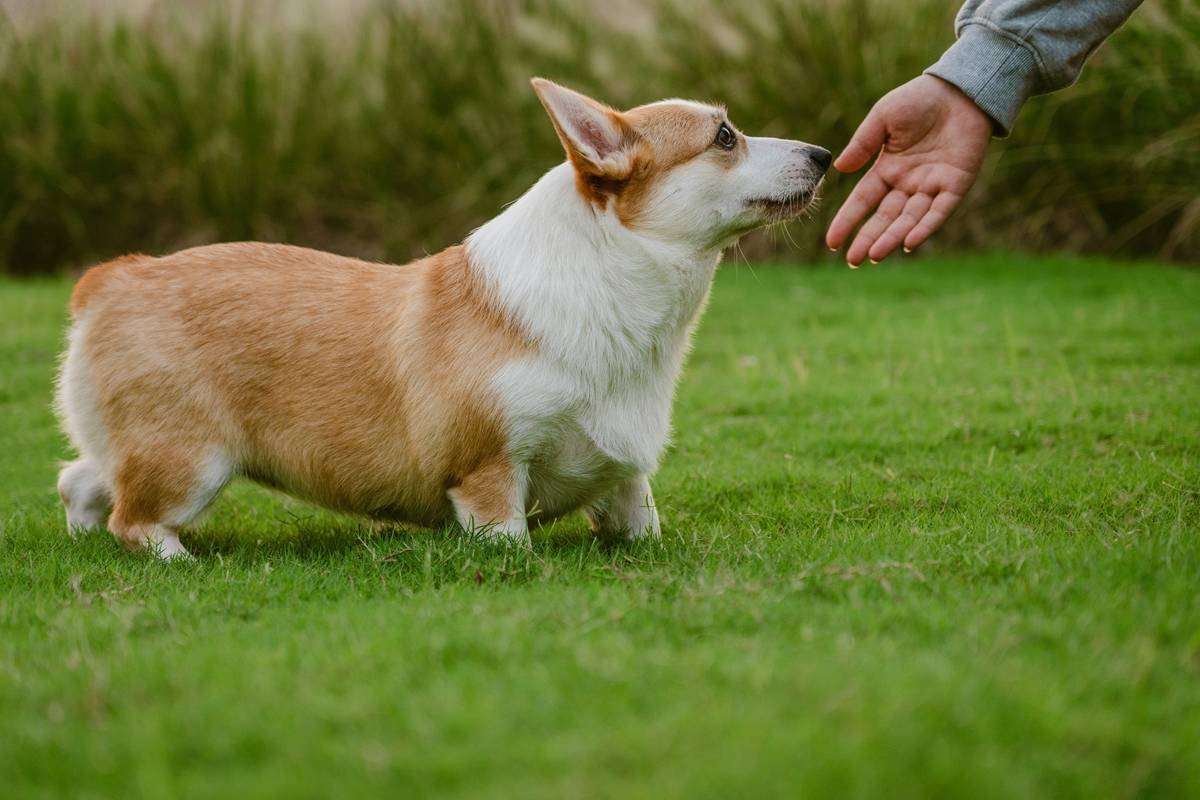
What exactly is target training? It’s teaching your dog to follow or touch a designated object (called a “target”) such as a stick, finger, or mat. This builds focus and precision, which are crucial for achieving those smooth, elegant tricks people applaud at parks.
The magic of target training lies in its adaptability. From basic obedience to advanced choreography, it lays the groundwork for flawless execution. Plus, when done right, it turns training into bonding time—no one likes being yelled at while learning something new, right?
Storytime: Picture this: My neighbor used target training with her Shih Tzu, Bella, who could barely sit still initially. Fast forward six months, and Bella can now weave between cones with ballerina-level poise. That’s the power of targeted discipline!
Step-by-Step Guide to Mastering Target Training for Dog Trick Elegance
Step 1: Choose Your Target
Start simple. A dowel rod, spoon, or even your closed fist works perfectly as a target tool. Keep it consistent so your dog knows what to look for.
Step 2: Introduce the Target
Show the target and encourage your dog to investigate it. Reward any interaction immediately. Repeat until curiosity becomes connection.
Step 3: Pair with Commands
Introduce verbal cues like “touch” or “nose.” Combine these words with presenting the target and reward success quickly.
Step 4: Expand Movements Gradually
Once your dog reliably touches the target, move it around. Up, down, side-to-side—this teaches spatial awareness, essential for complex tricks.
Step 5: Add Distractions Slowly
Optimist You: “They’re ready!” Grumpy You: “Yeah, let’s wait till they actually ignore squirrels.” Start introducing mild distractions to test their focus.
Top Tips for Elevating Your Dog’s Tricks Through Target Training
- Use High-Value Rewards: Swap boring kibble for chicken bits or cheese slices. Motivation = compliance.
- Keep Sessions Short: Aim for 5–10 minutes max per session to avoid burnout.
- Incorporate Play Breaks: Let them chase a frisbee after each milestone—it refreshes their mind and boosts enthusiasm.
- Don’t Rush Complexity: Bad advice alert: Trying to teach flips before mastering “sit” is asking for disaster. Build skills incrementally.
- Stay Consistent: Stick to the same cue words and targets daily. Dogs thrive on routine.
Real-Life Success Stories of Canine Grace
Sarah P., a professional trainer from Austin, shares her story: “One client brought in a hyperactive Border Collie named Finn. Using target training, we taught him to weave through poles and jump hurdles. By leveraging his natural herding instincts alongside precise targeting, Finn became a crowd favorite at local competitions.”
Remember: Every champion starts somewhere. Don’t get discouraged if progress feels slow. Even Olympic athletes didn’t ace cartwheels overnight!
Frequently Asked Questions About Target Training
Q: How long does it take to see results?
A: Patience is key! Some dogs grasp basics within days, while others may take weeks. Stay consistent, and celebrate small wins along the way.
Q: Can older dogs learn new tricks?
A: Absolutely! While younger pups might pick things up faster, senior dogs often excel due to years of accumulated knowledge. Just adjust timelines accordingly.
Q: What if my dog loses interest?
A: Mix up rewards, shorten sessions, and try different environments. Sometimes a change of scenery rekindles excitement!
Conclusion
From chaotic spins to polished pirouettes, target training transforms your dog’s maneuvers into displays of true dog trick elegance. With clear goals, patience, and a sprinkle of creativity, you’ll soon be wowing friends and family alike.
And hey, remember this isn’t rocket science—it’s relationship building wrapped in fun packages of woofs and treats.
Bonus Nostalgia Haiku:
Clicker clicks softly,
Paws dance like Nintendo pros,
Level up together!