
Ever watched a search-and-rescue dog dart through rubble with pinpoint accuracy, only to wonder how they stay so laser-focused on their handler? Spoiler alert: it’s not magic—it’s training. And at the heart of that training is a technique called hand targeting for search and rescue. But here’s the catch—teaching this skill isn’t as simple as pointing your finger and hoping your pup gets it. Let me share something embarrassing: I once tried teaching my German Shepherd hand targeting without fully understanding the method, and he ended up thinking I was asking him to sniff my palm like some weird game of “guess what’s in mom’s hand.” Yeah, *facepalm* worthy.
In this post, you’ll learn why hand targeting for search and rescue is a game changer, step-by-step instructions to master it, best practices, and even tips from pro trainers (because, let’s face it, we can’t all be dog whisperers). Oh, and fair warning—we’re diving deep enough to make grumpy optimists proud.
Table of Contents
- Key Takeaways
- Why Hand Targeting Is Crucial for SAR Dogs
- Step-by-Step Guide to Teaching Hand Targeting
- Best Practices for Perfecting Hand Targeting
- Real-Life Success Stories
- Frequently Asked Questions About Hand Targeting
Key Takeaways
- Hand targeting builds focus and connection between handlers and SAR dogs.
- It serves as a foundation for advanced commands during high-pressure scenarios.
- Start with short sessions and consistent rewards for effective learning.
- Avoid rushing the process; patience is non-negotiable.
- Use real-life distractions to test and refine skills.
Why Hand Targeting Is Crucial for SAR Dogs
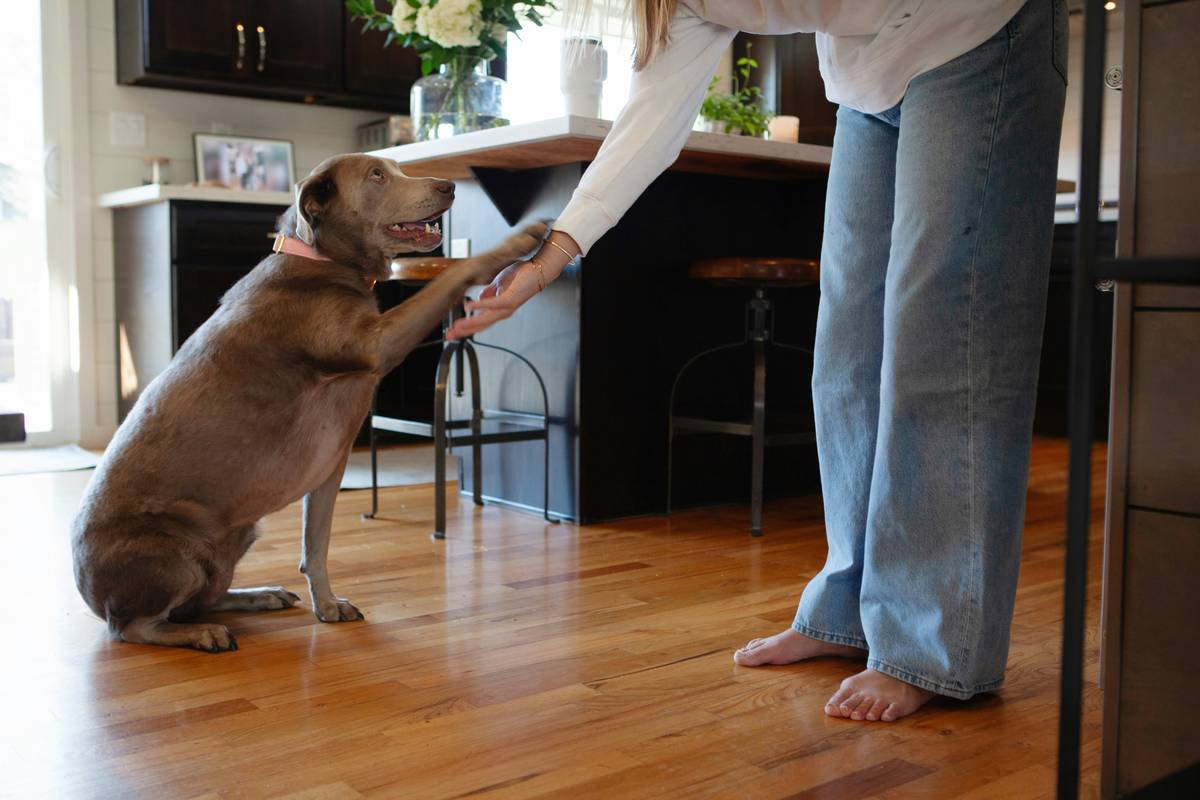
Picture this: Your dog is trailing someone lost in dense woods or navigating debris after an earthquake. They need precision and trust in their handler’s signals. That’s where hand targeting for search and rescue comes into play. This method teaches your dog to touch its nose to your outstretched hand on command—a seemingly basic trick but one that fosters teamwork under pressure.
“Optimist You:” “This sounds foolproof!”
Grumpy You: “Yeah, until your dog decides your sweaty palm smells better than obeying.” Sound familiar? The truth is, consistency matters more than anything else. If done right, hand targeting helps reduce chaos by directing your dog’s attention back to you no matter the environment.
Step-by-Step Guide to Teaching Hand Targeting
Step 1: Start Simple – Introduce Touch
Begins indoors with minimal distractions. Extend your flat palm toward your dog’s face while saying “Touch” or another chosen cue word. When your dog nudges your hand with their nose, immediately reward them with a high-value treat. Rinse and repeat!
Step 2: Add Distance Gradually
Once your dog grasps the concept, start adding small distances. Step a foot away before presenting your hand. Encourage them to reach out and touch. Patience is key—you might feel frustrated if they hesitate, but push through!
Step 3: Work on Focus Despite Distractions
This is where things get tricky. Move the practice outside to simulate environments similar to actual searches. Start with mild distractions like other people walking nearby and gradually increase complexity.
Step 4: Transition to Practical Scenarios
Apply hand targeting in controlled mock missions. Hide objects and guide your dog using the target signal. Over time, they’ll associate your hand cue with following instructions even when adrenaline runs high.
Best Practices for Perfecting Hand Targeting
- Practice Consistency: Always use the same verbal cue and hand gesture.
- Keep Sessions Short: Aim for 5–10 minutes max to avoid overwhelming your dog.
- Reward Every Success: Positive reinforcement reinforces behavior faster.
- Be Patient: Some dogs take longer to pick up nuances. Don’t rush progress.
- Test in Real Situations: Expose your dog to varied terrains and conditions early on.
Real-Life Success Stories
Take Max, a Border Collie trained by volunteer SAR handler Jessica Adams. Max excelled at locating missing hikers thanks largely to his responsiveness to hand targeting. In one instance, he navigated thick fog and rocky terrain to locate a stranded climber, guided solely by her repeated hand cues. It wasn’t luck; it was relentless dedication to foundational training techniques like hand targeting for search and rescue.
Frequently Asked Questions About Hand Targeting
Q: How long does it take to teach a dog hand targeting?
A: Typically, beginners spend several weeks mastering basics. However, ongoing refinement continues throughout the dog’s career.
Q: Can any breed learn hand targeting?
A: Yes! While some breeds are naturally more focused, hand targeting adapts to various temperaments and working styles.
Q: What’s a common mistake beginners make?
A: Moving too quickly can confuse the dog. Progression should always match the individual animal’s pace.
Conclusion
By now, you’re armed with everything needed to tackle hand targeting for search and rescue. Remember, it’s less about perfection and more about building a bond that withstands chaos. Sure, there’ll be moments when you question whether coffee fuel is enough motivation—but hey, persistence pays off.
And finally, because life needs a sprinkle of fun:
Sniff, touch, follow me,
Through rubble and trees we go.
Together, we'll find hope.
Like chasing frisbees, every SEO strategy thrives on daily effort—and trust me, your pup will thank you for nailing this life-saving skill!