Have you ever tried teaching your dog to sit, only for them to spin in circles like they’re auditioning for a circus act? Frustrating, right? Dog trick control is more than just commands—it’s about precision and connection. Today, we’re diving into the art of target training, where dogs learn through focus points (like their nose or paw) instead of endless repetition. By the end of this post, you’ll have actionable steps, tips, and even a laugh-out-loud rant about why some tricks are doomed from the start.
Table of Contents
- Key Takeaways
- Why Dog Trick Control Matters
- Step-by-Step Guide to Target Training
- Best Practices for Successful Training
- Real-World Examples of Success
- FAQs on Dog Trick Control
Key Takeaways
- Target training strengthens communication between you and your pup using specific focus points.
- Patience and consistency are non-negotiable when mastering dog trick control.
- Rewards-based methods yield better results than punishment-heavy approaches.
- The secret sauce lies in breaking down complex behaviors into bite-sized actions.
Why Dog Trick Control Matters
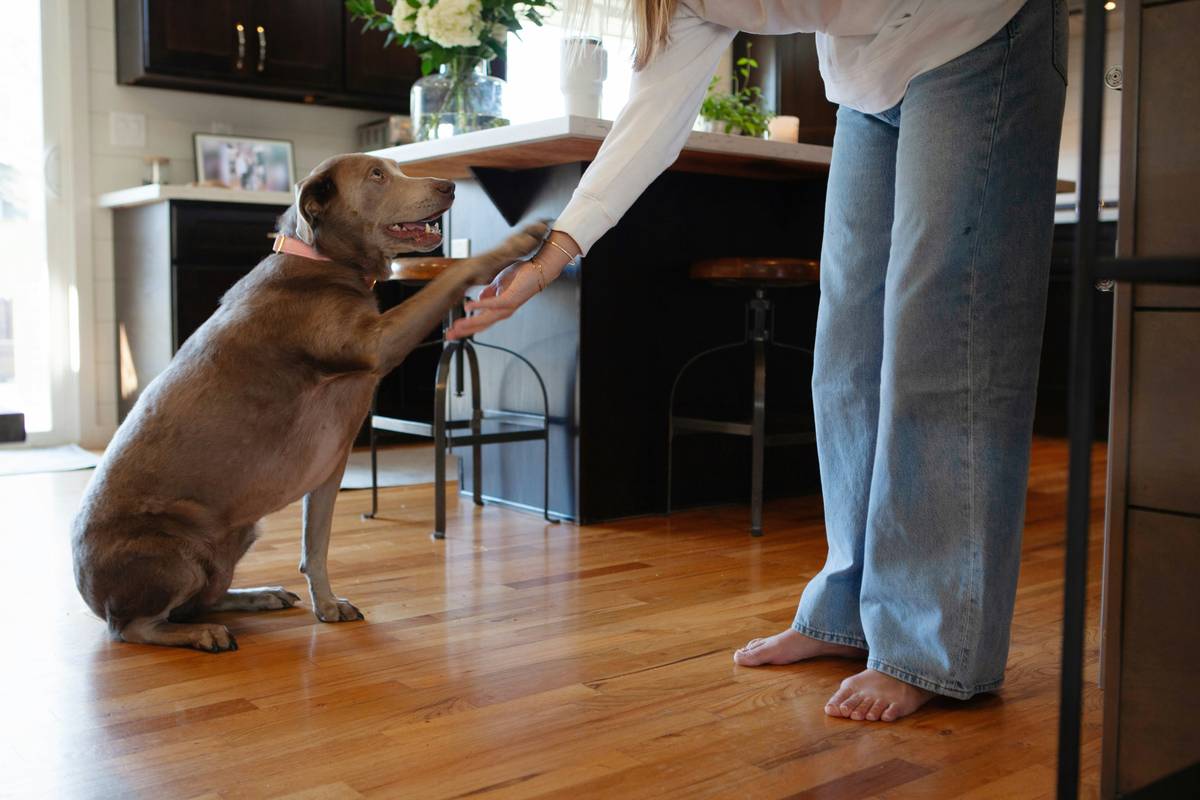
Dog trick control isn’t just Instagram fodder (although those videos do get likes). It’s about deepening trust, reducing behavioral issues, and providing mental stimulation that keeps your furry friend sharp. Imagine teaching your pooch not to jump on guests by having them touch your hand instead—a win-win for everyone. But here’s my confessional fail: When I first started target training, I used treats as lures every single time. Spoiler alert: My pup learned the treat came before the behavior—not ideal.
“Optimist You:* ‘You can totally teach an old dog new tricks!'”
“Grumpy You: ‘Yeah, but if coffee runs out mid-session, chaos ensues.'”
Sensory Tip:
Pack treats that smell irresistible—like peanut butter or chicken jerky—to keep your pup engaged. That whiff alone will make them eager participants.
Step-by-Step Guide to Target Training
Step 1: Choose Your Focus Point
Decide what part of your dog’s body will “target” an object. Common choices include:
- Nose targeting (touching a hand or stick)
- Paw targeting (stepping onto a mat)
Step 2: Use Positive Reinforcement
Equip yourself with high-value treats or toys. Reward immediately after each successful touch. For example, say “touch,” then reward when their nose hits your palm.
Step 3: Introduce Commands
Pair verbal cues with physical gestures early on. Consistency is key; always use the same word or movement.
Step 4: Gradually Increase Difficulty
Once mastered, add obstacles like distance or distractions to reinforce dog trick control under various conditions.
Best Practices for Successful Training
- Keep Sessions Short: Aim for 5-10 minutes per session to avoid burnout.
- Stay Calm: Dogs pick up on your energy—if you’re stressed, so are they.
- Use Clear Markers: A clicker or enthusiastic “yes!” helps dogs understand exactly what behavior earned the reward.
- Avoid Mixed Signals: Don’t scold mistakes during practice—it’ll confuse your pup.
Real-World Examples of Success
Let me tell you about Max, a stubborn bulldog who refused to fetch until his owner introduced nose targeting. Within weeks, Max could retrieve specific items based on directional cues. Or consider Luna, a rescue mix who overcame anxiety thanks to structured target training routines. These aren’t outliers—they’re proof that anyone can master dog trick control with patience.
FAQs on Dog Trick Control
Q: How long does it take to teach a dog target training?
A: Every dog learns differently. On average, expect progress within a few weeks of consistent, daily sessions.
Q: Can older dogs benefit from target training?
A: Absolutely! Age doesn’t stop a willing learner. In fact, senior dogs often appreciate the cognitive challenge.
Q: What’s the worst advice for teaching dog tricks?
A: Using punishment as motivation. Not only is it ineffective, but it also damages the bond between pet and owner.
Rant Time: Why Generic Clickbait Tutorials Need to Die
Ever seen guides titled “Teach Your Dog to Shake Hands in 5 Minutes Flat!” Yeah, they’re lies wrapped in shiny thumbnails. Here’s the truth: real training takes time, effort, and countless missed attempts. Anyone promising overnight success should be approached with suspicion—and maybe a side-eye.
Conclusion
Mastering dog trick control via target training requires strategy, patience, and a sprinkle of creativity. Whether you’re aiming for Instagram fame or simply want a well-behaved companion, these techniques will set you on the right path. Remember, there’s no such thing as perfect—but imperfect progress is chef’s kiss for building lifelong skills.
Like chasing squirrels at the park,
Dog training fuels wagging spark.
Clicks and treats pave the way,
To masterful tricks, come what may.