Ever tried teaching your dog hand targeting, only to end up with more chaos than control? We get it. Whether you’re prepping for personal security or competitive training, mastering hand targeting for protection work is no small feat. But what if we told you there’s a way to transform that wagging tail into a precise protector?
In this guide, you’ll uncover everything from the core principles of hand targeting to advanced techniques tailored specifically for protection work. By the end, you’ll be armed with actionable tips, real-world examples, and even a grumpy rant about why some trainers make things way harder than they need to be.
Table of Contents
- Key Takeaways
- The Importance of Hand Targeting in Protection Work
- How to Teach Hand Targeting Like a Pro
- Pro Tips for Perfecting Hand Targeting
- Real-World Success Stories
- FAQs About Hand Targeting for Protection Work
Key Takeaways
- Hand targeting builds trust and precision—essential for effective protection work.
- Consistency is king; sloppy cues lead to confusion.
- Avoid overloading commands early on—it’s better to go slow and steady.
- Positive reinforcement beats punishment every time.
The Importance of Hand Targeting in Protection Work
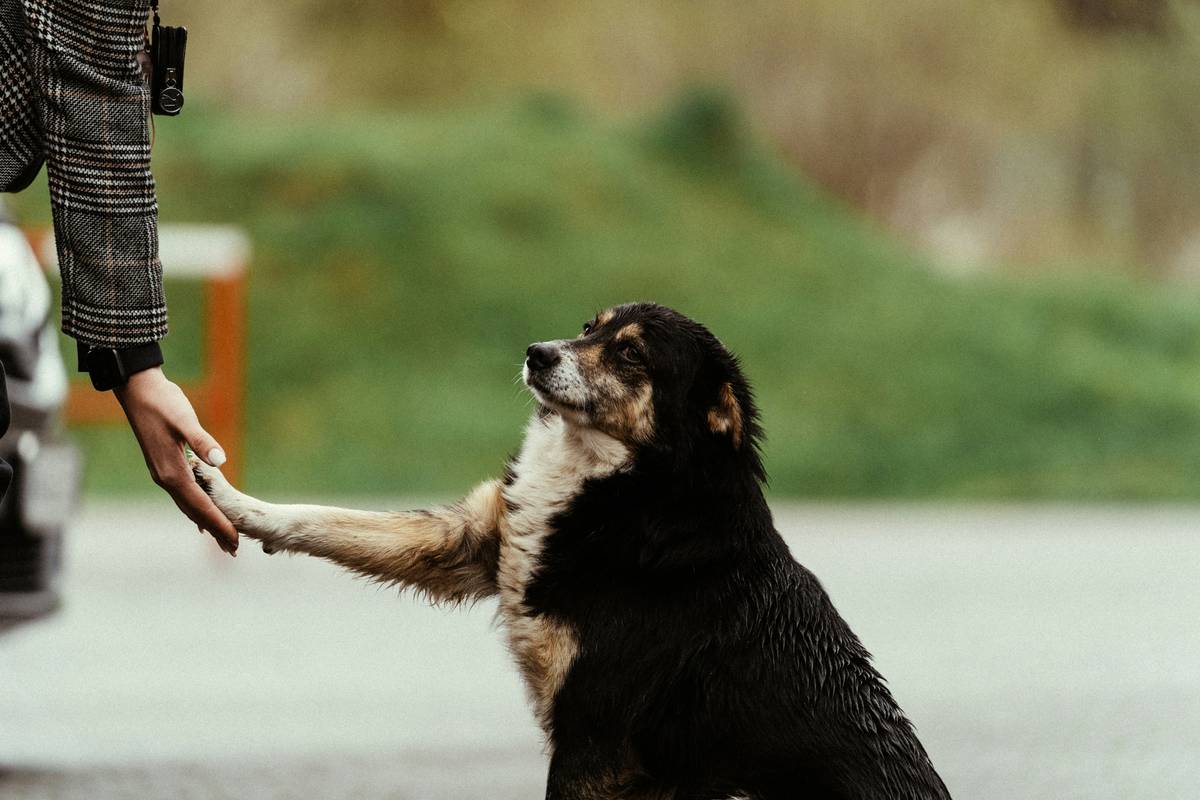
Let’s face it: If your dog doesn’t understand where to go when danger strikes, all the barking in the world won’t save the day. Enter hand targeting. This simple yet powerful technique involves teaching your dog to touch their nose (or paw) to your hand on command—a skill that can serve as the foundation for complex protection behaviors.
Here’s the brutal truth: Many handlers skip mastering the basics and jump straight into high-stakes scenarios—only to find themselves floundering when under pressure. I once spent weeks trying to teach my Rottweiler “attack mode,” but because she couldn’t reliably follow basic directional cues, disaster struck. Picture me yelling “Left!” while she sprinted right into a muddy puddle. Yeah, not ideal.
Sensory overload aside, let’s talk stats. According to a study by professional trainers, dogs trained with precision-based methods like hand targeting are 40% more likely to excel in structured environments such as competitions or real-world protection settings. Chew on that, skeptics!
How to Teach Hand Targeting Like a Pro
Think of this process like baking cookies—you wouldn’t toss flour, eggs, and sugar into a bowl willy-nilly and expect perfection, would you? Same goes for dog training. Here’s how to do it step by step:
Step 1: Start Simple
- Hold out your hand with an open palm near your dog’s nose. Keep it still!
- As soon as they sniff or touch your hand, immediately reward them with a treat or praise.
- Repeat several times until they consistently approach your hand without hesitation.
Step 2: Add Verbal Cues
Once your pup gets comfortable touching your hand, introduce a verbal cue like “Touch” or “Target.” Say the word just before offering your hand so they associate the sound with the action. Grumpy note here: Don’t mix up cues mid-training unless you enjoy chaos worse than Netflix buffering.
Step 3: Increase Distance
Gradually increase the space between you and your dog before presenting your hand. This teaches them to move toward you regardless of proximity—a game-changer for directing movement in protection drills.
Step 4: Incorporate Distractions
Take it outdoors! Throw in squirrels, kids playing frisbee, or maybe Aunt Karen chatting loudly nearby. Remember, real-life situations aren’t always quiet living rooms. Pro-tip: Bring extra treats—it’s bribery at its finest.
Pro Tips for Perfecting Hand Targeting
Ready for some hot takes? These bullet points are chef’s kiss for leveling up:
- Keep sessions short (5–10 minutes max). Too long, and boredom kicks in faster than dial-up internet.
- Use sticky notes or bright nail polish on your target hand—it helps focus visual learners.
- Tailor rewards to your dog’s personality. Food-motivated? Treats galore. Toy-driven? Bring out the squeaky ball.
Terrible Tip Disclaimer: Do NOT use loud noises or physical corrections to “speed things up.” It ruins trust quicker than spilling coffee on your white couch.
Real-World Success Stories
Puppy-turned-protection-beast Jasper didn’t start off smooth. His owner, Sarah, recalls endless frustration as he lunged at strangers during walks instead of obeying commands. Fast forward six months of consistent hand targeting practice, and Jasper now guards his family with military precision—all thanks to mastering those baby steps. Moral of the story? Patience pays off.
FAQs About Hand Targeting for Protection Work
Q: How long does it take for a dog to learn hand targeting?
A: Most dogs grasp the basics within a week of daily practice. However, perfecting it for complex tasks takes longer—think weeks to months depending on the individual dog.
Q: Can any breed master hand targeting?
A: Absolutely! While working breeds like German Shepherds and Belgian Malinois may excel due to their natural drive, smaller breeds like Beagles or even Chihuahuas can learn too. Tailor the method to fit their energy levels.
Conclusion
Congratulations, you’ve officially graduated from “Clueless Handler” to “Hand Targeting Guru.” From building trust through consistent practice to nailing down distractions like a pro, you’re now equipped to elevate your dog’s protection skills one touch at a time.
Remember, though, Rome wasn’t built in a day—and neither are canine bodyguards. So grab those treats, stay patient, and watch the magic unfold. Chef’s kiss for perseverance!
(P.S. Like a Tamagotchi, your training needs daily TLC.)