
Ever felt like your dog has an easier time figuring out what’s on Netflix than differentiating between two objects during freestyle routines? Yep, we’ve been there too.
If you’re scratching your head over how to teach object discrimination—the cornerstone of successful freestyle training—you’re not alone. Many pet owners struggle with this nuanced skill. But don’t worry! In this guide, you’ll discover:
- What makes object discrimination so critical in freestyle.
- A step-by-step breakdown of effective target training methods.
- Tips and tricks from expert trainers (and a few confessions about our fails).
Table of Contents
- Key Takeaways
- Why Object Discrimination Matters for Freestyle
- Step-by-Step Guide to Effective Target Training
- Best Practices for Seamless Learning
- Real-Life Success Stories
- FAQs About Object Discrimination
Key Takeaways
- Object discrimination enhances precision in freestyle performances by teaching pets to identify specific items.
- Patient repetition and positive reinforcement are non-negotiables for mastering target training.
- Mistakes happen—like accidentally rewarding the wrong choice—but they’re part of the learning curve!
Why Object Discrimination Matters for Freestyle
Freestyle isn’t just about cute tricks; it’s a performance art that requires precision and communication between handler and pet. One of the foundational skills? Object discrimination. Without it, your furry partner might fetch their toy instead of interacting with a prop mid-routine. Imagine the chaos!
In simple terms, object discrimination teaches your pet to distinguish one item from another. For example, if your routine involves selecting a blue cone over a red cone, your pet needs to reliably pick the correct one every time. This level of focus is crucial for creating fluid, error-free routines.
Step-by-Step Guide to Effective Target Training
Ready to dive into the nitty-gritty? Let’s break down the process:
Step 1: Choose Your Objects Wisely
“Optimist You:” “Oh, use anything lying around!”
“Grumpy You:” “Ugh, fine—but only if you want confusion galore.”
Select distinct objects that can’t be confused easily. Start small: a ball vs. a stuffed animal or cones of contrasting colors. Avoid overly similar items at first (yes, I once tried using two slightly different squeaky toys… disaster).
Step 2: Introduce Target Touches
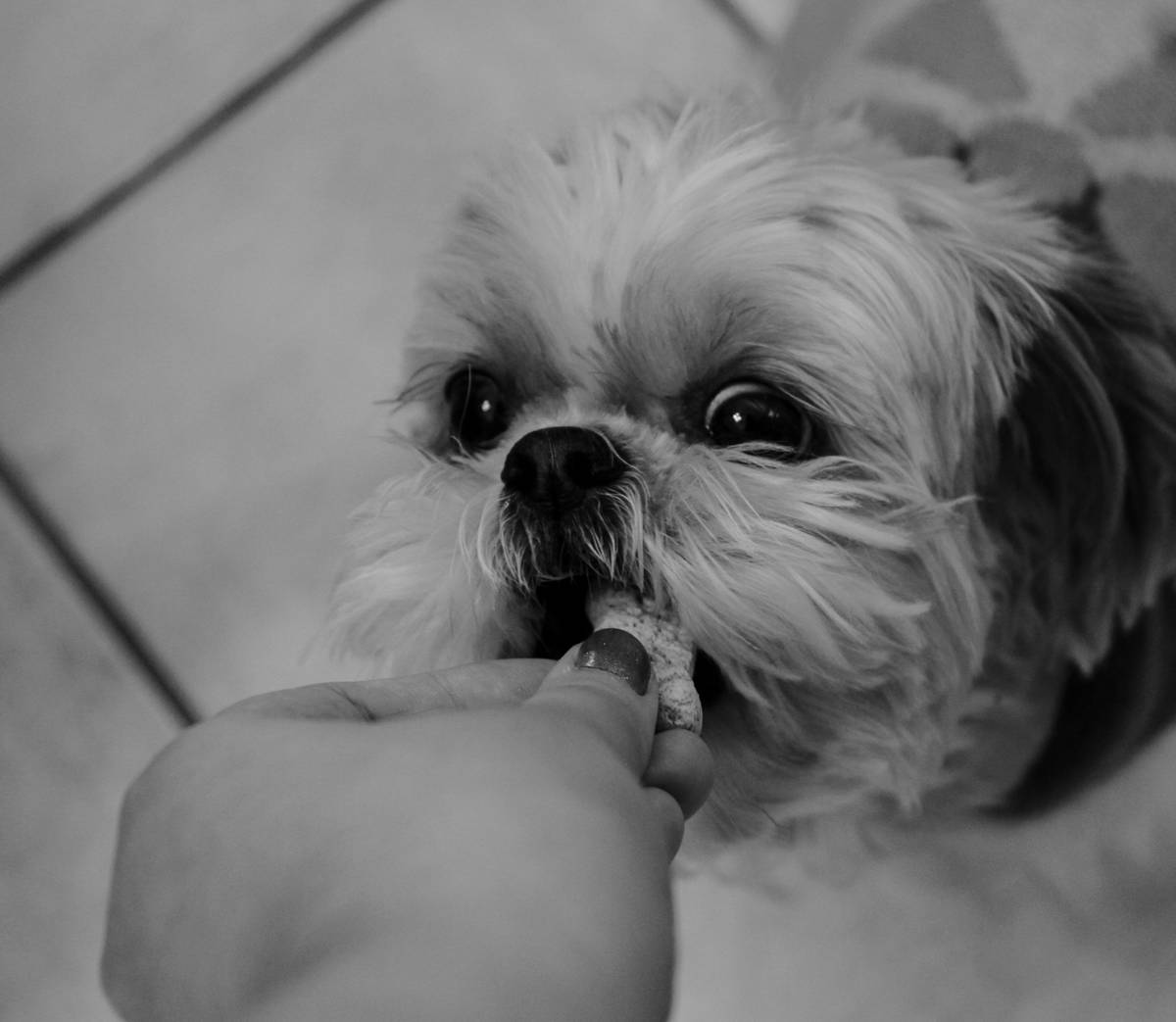
Before diving into full-blown discrimination, ensure your pet understands basic targeting. Use their nose or paw to touch a designated spot. Reward generously after each successful attempt.
Step 3: Gradually Add Distractions
Now comes the tricky part. Place the secondary object nearby but still reward for choosing the right one. Increase distractions incrementally until your pup remains unfazed by competing stimuli.
Best Practices for Seamless Learning
- Be Consistent: Stick to clear cues and rewards systems. Confusion = setbacks.
- Reward Timing: Deliver treats immediately after success. Delayed praise can muddy the lesson.
- Limit Sessions: Keep training snappy—5–10 minutes max per session—to avoid burnout.
Terrible Tip Disclaimer: Some misguided souls suggest withholding food as punishment. Please don’t. It’s cruel, ineffective, and ruins trust.
Real-Life Success Stories
Meet Max, a border collie who struggled with object identification early on. His owner implemented consistent target training sessions focusing on incremental challenges. Within weeks, Max could flawlessly navigate obstacle courses while accurately identifying props. Now he’s a freestyle superstar racking up trophies—and endless belly rubs.
This proves persistence pays off! Even if progress feels slow, stick with it. Trust me; your patience will pay dividends.
FAQs About Object Discrimination
Q1: How long does it take to teach object discrimination?
A1: Every pet learns differently, but expect a few weeks to months depending on consistency and individual aptitude.
Q2: Can older dogs learn object discrimination?
A2: Absolutely! While younger pups may adapt faster, older dogs thrive on mental stimulation through structured tasks.
Q3: What if my pet keeps making mistakes?
A3: Backtrack to simpler steps. Sometimes rushing forward leads to frustration all around.
Conclusion
Teaching object discrimination for freestyle doesn’t have to be daunting. With thoughtful planning, patient execution, and heaps of positivity, you’ll unlock new levels of connection and creativity with your four-legged friend. Remember, even tiny wins count!
And hey, here’s something fun before you go:
Paws meet goals,
Noses find flair,
Freestyle reigns supreme.