Ever spent hours trying to teach your dog a simple trick, only for them to look at you like you’re speaking another language? Yeah, us too. It’s frustrating when your pup just doesn’t seem to “get it,” especially when all the training videos online make it look so easy. But what if I told you there’s a method that not only simplifies things but also strengthens your bond with your furry friend?
In this guide, we’ll dive deep into dog trick coordination through target training. You’ll learn how to harness the power of target-based methods, avoid common pitfalls, and set realistic expectations for success. Ready? Let’s get started.
Table of Contents
- Key Takeaways
- Why Dog Trick Coordination Matters
- Step-by-Step Guide to Target Training
- Tips for Perfecting Your Technique
- Real-Life Success Stories
- FAQs About Dog Trick Coordination
Key Takeaways
- Target training builds foundational skills for advanced dog tricks.
- Dog trick coordination improves communication between you and your pet.
- Consistency is key—daily practice yields faster results.
- Patience and positive reinforcement are non-negotiable.
- Avoid overcomplicating commands; keep cues simple and clear.
Why Dog Trick Coordination Matters
When most people think about teaching their dogs tricks, they envision adorable Instagram videos of pups spinning in circles or high-fiving on command. But here’s the truth: behind every viral video is a foundation of *dog trick coordination*. Without proper coordination—both mentally and physically—your dog might struggle to execute even basic moves.
I once tried teaching my golden retriever, Max, to jump through a hoop without warming him up first. Spoiler alert: he missed the landing, crashed into the couch, and gave me the side-eye for weeks. That failure taught me a valuable lesson: without structured target training, our efforts can backfire.
Benefits of Target Training for Dog Trick Coordination
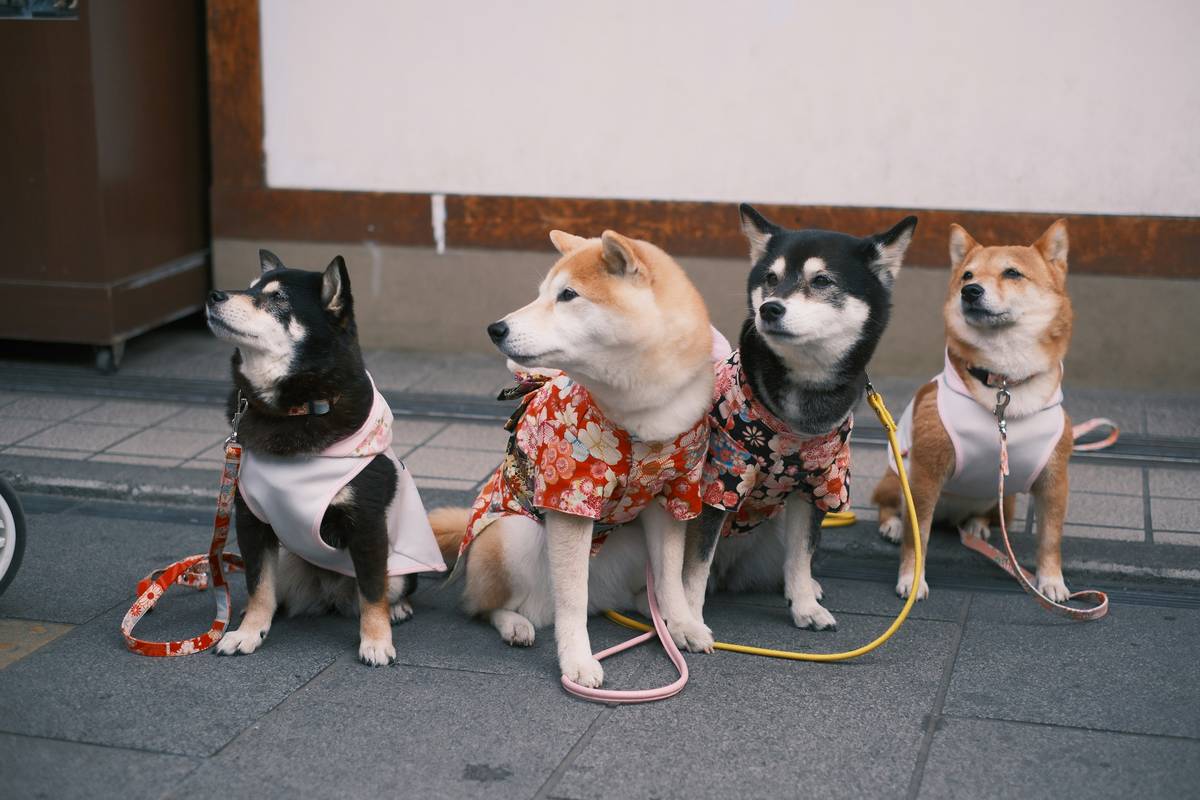
- Better Focus: Helps your dog concentrate on specific tasks.
- Enhanced Communication: Builds a shared vocabulary between you and your dog.
- Physical Agility: Strengthens muscles needed for complex tricks.
Step-by-Step Guide to Target Training
Optimist You: “This is going to be fun!”
Grumpy You: “As long as snacks are involved…”
Step 1: Choose Your Target Tool
Your first step is selecting a tool for target training. Popular options include:
– A handheld target stick (like those used in agility classes)
– Your hand (if you’re aiming for simplicity)
Whatever you choose, ensure it’s something your dog won’t confuse with toys or food.
Step 2: Introduce the Target
Hold the target near your dog’s nose or paw and reward them instantly when they touch it. Use a clicker or verbal cue like “Yes!” to mark the moment. Repeat until your dog consistently interacts with the target.
Step 3: Add Movement
Gradually increase the distance between your dog and the target. For example, move the target slightly further away each time before rewarding. This builds spatial awareness and encourages coordination.
Step 4: Combine with Verbal Cues
Once your dog reliably touches the target, introduce a verbal command like “Touch” or “Point.” Over time, this will help streamline transitions into more elaborate tricks.
Tips for Perfecting Your Technique
- Be Patient: Rome wasn’t built in a day, and neither was Spot’s circus routine.
- Short Sessions: Keep training sessions under 10 minutes to maintain attention spans.
- Vary Rewards: Mix treats with praise, playtime, or belly rubs to keep motivation fresh.
- Keep It Fun: If your dog seems stressed, take a break. Happy dogs learn better!
- Terrific Tip (That’s Actually Terrible): Don’t try skipping straight to backflips unless you want a confused pupper.
Real-Life Success Stories
Sarah, a professional dog trainer from Denver, shared how target training transformed her rescue dog Charlie’s life. Initially fearful and uncoordinated, Charlie struggled with basic obedience. After six weeks of consistent target practice, however, he mastered fetching his leash and spinning in place—all by following a target stick! Now, Sarah says Charlie has become a therapy dog-in-training, proving that patience pays off.
FAQs About Dog Trick Coordination
Can any dog benefit from target training?
Absolutely! Whether you have a young puppy or an older dog, target training adapts to various breeds and abilities.
How long does it take to see results?
Most dogs grasp the concept within 1–2 weeks of daily practice. Advanced tricks may require months of refinement.
What if my dog loses interest during training?
If your dog gets bored, switch up the environment or rewards. Sometimes novelty reignites enthusiasm.
Conclusion
Mastering dog trick coordination isn’t about achieving perfection—it’s about building trust, strengthening bonds, and having fun along the way. With target training, you’ll unlock endless possibilities for your four-legged partner while fostering a healthier relationship.
So, next time you find yourself frustrated mid-training session, remember: small steps lead to big leaps. And hey, maybe someday you’ll both land that viral trick video after all.
Like a Tamagotchi, your SEO needs daily care.