Ever tried teaching your dog to spin in a circle, only for them to end up chasing their tail instead? Yeah, us too. Dog trick coordination can feel like trying to conduct an orchestra of chaos—but it doesn’t have to be that way.
In this post, we’ll unpack the magic behind target training, one of the most underrated methods for mastering dog trick coordination. By the end, you’ll know how to use this method effectively and avoid common pitfalls. Let’s dive into:
- Why dog trick coordination matters.
- A step-by-step guide to target training.
- Tips for keeping your pup engaged and sharp.
- Real-life success stories (and some epic fails).
Table of Contents
- Key Takeaways
- The Problem with Poor Dog Trick Coordination
- A Step-by-Step Guide to Target Training
- Tips for Mastering Dog Trick Coordination
- Success Stories (and Epic Fails)
- Frequently Asked Questions
Key Takeaways
- Target training is a powerful tool for improving dog trick coordination.
- Breaking tricks into small steps ensures clarity for both you and your dog.
- Consistency, patience, and rewards are crucial for success.
- Dogs thrive on positive reinforcement—avoid harsh corrections at all costs.
The Problem with Poor Dog Trick Coordination
Picture this: You’re showing off your pup’s new “shake” trick to friends, but instead of shaking hands, Rover decides it’s time to roll over. Awkward? Totally. And it happens because many pet parents jump straight into complex tricks without building foundational skills like dog trick coordination.
I’ll confess: I once spent weeks trying to teach my golden retriever to weave through my legs. Instead of breaking it down, I just kept repeating “Weave!” while she stared blankly at me. Spoiler alert—it didn’t work. Without proper coordination techniques like target training, even simple commands become confusing frustration-fests.
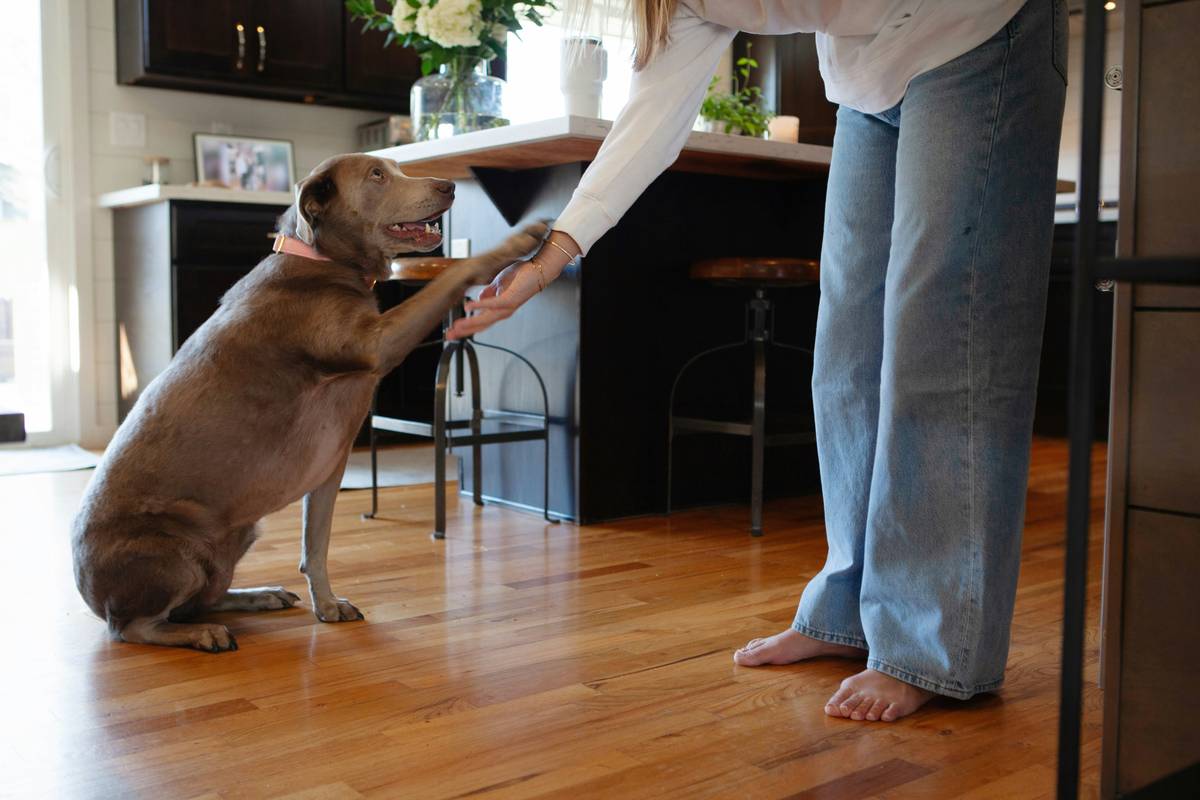
Pro Tip: Think of dog trick coordination as choreography. Each move builds on the last, creating seamless flows that look effortless when done right.
A Step-by-Step Guide to Target Training
Target training involves teaching your dog to touch a specific object (like your hand or a target stick) with their nose or paw. It’s the secret sauce for perfecting dog trick coordination because it creates clear cues and reinforces focus. Here’s how to get started:
Step 1: Choose Your Target
Start with something simple, like your hand or a DIY target stick (a wooden dowel works great). Hold it close to your dog’s face, letting curiosity do the heavy lifting.
Step 2: Reward First Touches
Optimist You: *“This will be so easy!”*
Grumpy You: *“Ugh, fine—but only if treats are involved.”*
When your dog touches the target, immediately reward them with a treat or praise. Timing is everything here; make sure the reward comes within seconds.
Step 3: Add Distance Gradually
Once your dog consistently touches the target, start moving it slightly farther away. This teaches spatial awareness—a key component of dog trick coordination.
Step 4: Introduce Verbal Cues
Add a cue word like “Touch” or “Target” before presenting the target. Repeat this until your pup associates the command with the action.
Step 5: Build Complexity
Use target training as a stepping stone for more advanced tricks. For example, guide your dog around cones using a target stick, combining agility with coordination.
Tips for Mastering Dog Trick Coordination
- Keep Sessions Short: Dogs lose focus quickly. Aim for 5–10 minute sessions, multiple times per day.
- Mix Up Rewards: Rotate between treats, toys, and belly rubs to keep motivation high.
- Stay Patient: Progress takes time. Celebrate small wins along the journey.
- Terrible Tip Disclaimer: Avoid Overloading Commands. Don’t layer six tricks into one chaotic routine unless you enjoy watching your dog panic-dance.
Success Stories (and Epic Fails)
Meet Bella, a border collie whose owner used target training to master dog trick coordination. At first, Bella would confuse “spin” with “sit,” leaving her stuck in endless circles. But after two weeks of daily practice, she nailed a flawless figure-eight pattern—a testament to consistent training.
On the flip side, there’s Max, a stubborn bulldog who refused to cooperate. His owner gave up halfway, which taught us a valuable lesson: consistency is king. Dogs need repetition to learn—not half-hearted attempts interrupted by Netflix binges.
Frequently Asked Questions
What Exactly Is Dog Trick Coordination?
Dog trick coordination refers to a dog’s ability to perform multi-step actions smoothly and accurately. It’s especially important for complex routines involving multiple body parts.
Can Any Dog Learn Target Training?
Absolutely! Whether you’ve got a pint-sized Chihuahua or a towering Great Dane, any dog can benefit from target training. Just adjust the difficulty based on your dog’s size and energy levels.
How Long Does It Take to See Results?
Most dogs pick up basic target behaviors within a few days. However, refining those skills for advanced tricks may take several weeks—or months—depending on practice frequency.
Conclusion
Dog trick coordination isn’t about perfection; it’s about progress. With target training, you can transform your pup into a well-coordinated superstar (or at least a semi-reliable assistant).
Remember, every wagging tail and wet nose deserves celebration. So grab those treats, channel your inner optimist, and start training today. Because life’s better when your dog’s got rhythm.
Like a Pokémon battle, dog training requires strategy—gotta catch ‘em all! 🐾