Ever spent hours trying to teach your dog a new trick, only for them to completely ignore you during agility trials? Yeah, us too. But what if we told you there’s a secret weapon that could help? It’s called hand targeting, and it might just be the game-changer you’ve been looking for in mastering agility training.
In this guide, we’ll dive deep into the world of hand targeting for agility trials, showing you how to train smarter—not harder. You’ll learn why hand targeting works, step-by-step instructions to master it, best practices, real-life success stories, and even some brutally honest tips about common mistakes pet owners make (guilty as charged).
Ready to unleash your dog’s potential? Let’s get started!
Table of Contents
- Key Takeaways
- Why Hand Targeting Matters for Agility Trials
- Step-by-Step Guide to Master Hand Targeting
- 5 Best Practices for Effective Hand Target Training
- Real-Life Examples of Hand Target Success Stories
- FAQs About Hand Targeting for Agility Trials
- Conclusion
Key Takeaways
- Hand targeting is a simple but powerful technique that builds focus and precision in agility training.
- A clear understanding of reward systems accelerates learning while poor timing can derail progress.
- Pets thrive on consistency—small daily practice sessions beat infrequent, long ones every time.
- Agility trials require mental preparation alongside physical fitness; hand targeting bridges both areas.
- One bad tip to avoid: Never use punishment; positive reinforcement is king when teaching hand targeting.
Why Hand Targeting Matters for Agility Trials
Let me confess something embarrassing: When my golden retriever first tried an agility trial, he bolted off course like his tail was on fire. I had no idea where I went wrong until I discovered hand targeting. Suddenly, BAM—my pup transformed into a focused athlete who actually listened mid-trial!
So, why does hand targeting matter so much?
- Focus Enhancer: Dogs often struggle with distractions at agility events. Hand targeting trains them to lock their attention directly on YOU.
- Precision Tool: In tight spaces or intricate courses, guiding your dog accurately becomes crucial—and hand targeting delivers laser-sharp direction.
- Bond Builder: Yes, this method strengthens your bond because trust fuels all great teamwork (science says so).
The magic happens when your furry friend associates touching their nose to your palm with a treat, praise, or toy. Over time, they’ll follow your hand cues instinctively—even under pressure.
Step-by-Step Guide to Master Hand Targeting
Want to turn chaos into control? Here’s how:
Step 1: Introduce the Concept
Show your open palm near your dog’s face. As soon as they sniff or nudge it, say “Yes!” and reward immediately. Repeat several times. This establishes the connection between your hand and rewards.
Step 2: Gradually Add Distance
Once they understand the basics, start moving your hand further away. Encourage them to move toward it rather than waiting passively. Keep rewarding each successful attempt.
Step 3: Name the Behavior
Add a verbal cue like “Touch” or “Target.” Pair this word consistently with the motion of presenting your hand. Soon enough, saying the cue alone should prompt them to touch your hand.
Step 4: Incorporate Movement
Walk around slowly while asking for touches. If your dog follows along and continues responding correctly, amp up the challenge by jogging lightly or turning corners.
Step 5: Practice During Mock Trials
Recreate mini-agility setups at home. Use hand targeting as directional signals to navigate obstacles. For example, point left before sending them through a tunnel.

5 Best Practices for Effective Hand Target Training
- Be Consistent: Always present the same hand gesture and reinforce promptly after the desired behavior.
- Use High-Value Rewards: Make it worth their effort with treats or toys they LOVE more than life itself.
- Stay Patient: Even if they fail initially, resist frustration. Cheer them on instead—it’s chef’s kiss for motivation.
- Mix Up Environments: Practice indoors, outdoors, busy parks, quiet rooms—you name it—to build adaptability.
- Tailor Timing: Short, frequent sessions (5–10 minutes) are better than marathon drills. Think quality over quantity.
Real-Life Examples of Hand Target Success Stories
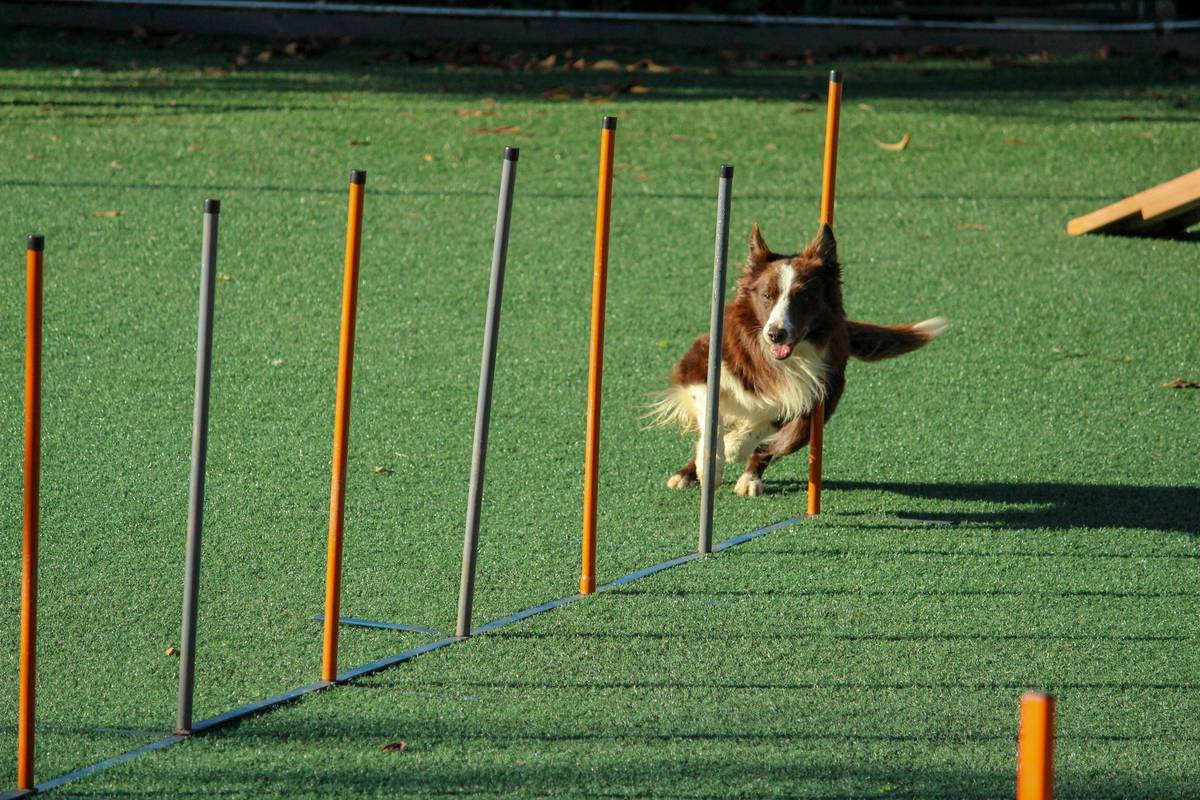
Nancy, a seasoned competitor in agility trials, swears by hand targeting. Her Border Collie Daisy struggled with finishing weave poles cleanly. Once Nancy incorporated hand targeting cues post-pole navigation, Daisy executed flawless run-throughs within weeks!
Another inspiring story comes from Alex, whose Labrador Max couldn’t stay focused in crowded events. By teaching Max to target hands throughout sequences, Alex gained unmatched responsiveness—even amidst audience cheers.
FAQs About Hand Targeting for Agility Trials
Q: How long does it take to teach a dog hand targeting?
A: Some dogs pick it up in days; others may need a couple weeks. Patience and consistency determine speed.
Q: Can any breed learn hand targeting?
Absolutely! While some breeds excel faster due to natural athleticism or eagerness to please, ALL dogs can grasp the concept given proper guidance.
Q: What if my dog gets distracted easily?
Start in low-stimulation environments, like your living room. Slowly increase complexity once foundational skills solidify.
Q: Should I stop using other commands altogether?
Nope. Combine methods strategically. Hand targeting enhances existing communication tools—it doesn’t replace them entirely.
Q: Is it okay to punish mistakes?
Straight-up NO. Punishment damages confidence & breaks rapport. Stick strictly to positivity and encouragement.
Conclusion
There you have it—the ultimate playbook for mastering hand targeting for agility trials. Remember, patience is key, and rewards are your best friend throughout this journey.
Optimist You:* “You’ve got this!”
Grumpy You:* “Sure…as long as coffee keeps flowing.”*
Now go ahead, grab those treats, and start training. Who knows? Maybe your four-legged partner will shine brighter than ever in their next big event.
Oh, and one last thing… Like chasing butterflies across a field, hand targeting brings joy—not stress. So don’t forget to enjoy the ride.
Paws meet eager hands,
Nose taps bring a bond that grows,
Together we soar.