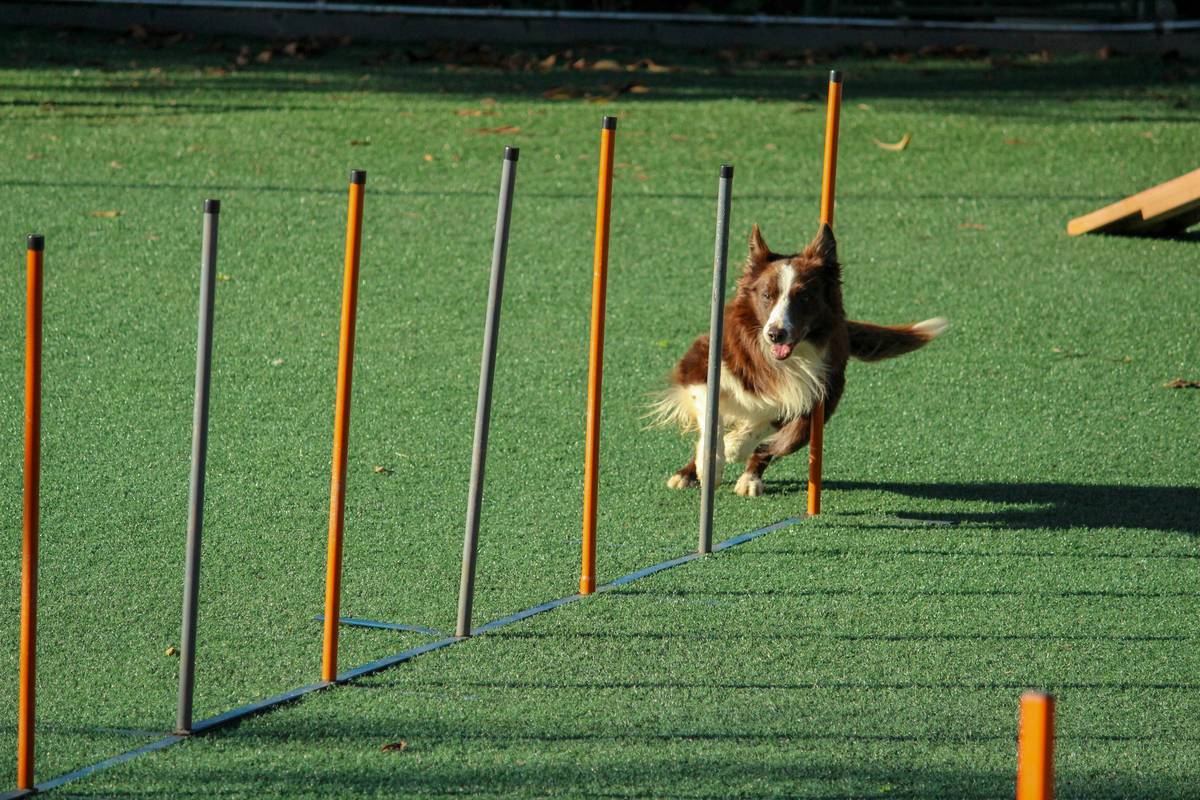
Ever tried teaching your dog hand targeting, only to end up with more paw prints on your face than progress? You’re not alone. Many pet owners underestimate how challenging (and hilarious) it can be to get their furry friends to master this critical skill—especially when preparing for agility trials. But fear not! In this guide, we’ll walk you through everything you need to know about “hand targeting for agility trials” so that you and your four-legged partner are ready to crush the competition.
Table of Contents
- Introduction: Why Hand Targeting Matters
- Key Takeaways
- The Problem With Skipping Hand Targeting
- Step-by-Step Guide to Teaching Hand Targeting
- Tips & Best Practices for Success
- Real-Life Examples of Hand Targeting in Action
- Frequently Asked Questions About Hand Targeting
- Conclusion: Ready, Set, Trial!
Key Takeaways
- Hand targeting is essential for improving focus and precision during agility trials.
- Start training early to build muscle memory and confidence in both you and your pet.
- Incorporate positive reinforcement and patience—it’s not a sprint, but a marathon.
- Avoid rushing into advanced tricks without mastering basic commands first.
The Problem With Skipping Hand Targeting
I once skipped teaching my border collie, Max, proper hand targeting because I thought he was “just naturally talented.” Fast forward to his first agility trial—Max decided mid-course to chase a squirrel instead of listening to me. Disaster? Absolutely. It taught me the hard way why hand targeting isn’t optional if you want seamless communication with your pet.
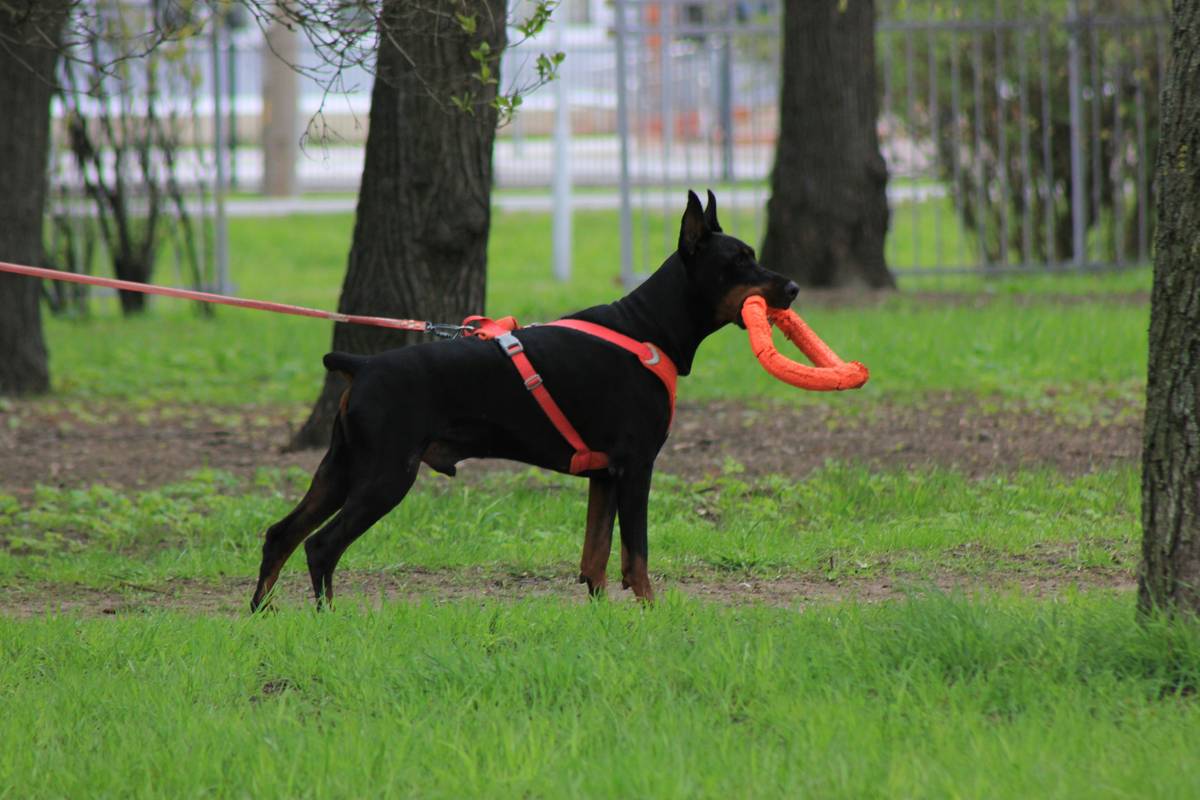
Think about it like this: Without hand targeting, you’re essentially shouting directions over a loudspeaker while hoping your dog hears you. Add in distractions from other dogs, handlers, and judges, and chaos ensues. Worse yet? Your pup might misunderstand signals entirely, costing valuable seconds—or even disqualification.
Optimist You: “Hey, no big deal—we’ll just wing it!”
Grumpy You: “Ugh, fine—but only if coffee’s involved.”
Step-by-Step Guide to Teaching Hand Targeting
What Is Hand Targeting?
Simply put, hand targeting involves training your dog to touch their nose to your open palm or fingers on command. This creates a clear connection between visual cues (your hand) and desired actions (moving toward it).
How to Train Your Dog in 5 Easy Steps
- Lure and Reward: Hold a treat close to your palm, let your dog sniff/sniff until they bump noses against your hand. Praise immediately!
- Add Verbal Cue: Once consistent, say “Touch” right before extending your hand. Reinforce with treats after successful attempts.
- Increase Distance: Gradually move your hand farther away each session, encouraging your dog to approach regardless of location.
- Incorporate Movement: Add turns, side steps, or backing motions to test responsiveness under dynamic conditions.
- Introduce Distractions: Practice in busier environments mimicking actual agility courses.
Tips & Best Practices for Success
If there’s one terrible tip I wish someone had warned me about earlier, it’s this: Don’t use negative reinforcement (*looking at you, squirt bottles*). Instead:
- Stay Patient: Dogs learn at different paces; celebrate small wins along the way.
- Vary Treat Types: Mix high-value snacks with lower-calorie options to prevent boredom.
- Practice Consistently: Daily training sessions—even five minutes long—yield better results than sporadic hour-long marathons.
Rant Corner:
Seriously, pet influencers who claim their dogs learned everything overnight? That’s chef’s kiss BS. Good training takes consistency, effort, and tons of failed attempts. Stop glorifying perfectionists—it sets unrealistic expectations for new trainers everywhere!
Real-Life Examples of Hand Targeting in Action
Meet Luna, a rescue mix turned agility superstar thanks to diligent hand-targeting drills. Her handler shares: “Luna used to freeze whenever she heard loud noises near obstacles. Now? She nails courses because she trusts following my hand cues blindfolded.” Proof positive that investing time pays off big-time.
Frequently Asked Questions About Hand Targeting
Q: How long does it take to teach hand targeting?
A: Most dogs grasp basics within 1–2 weeks of regular practice, though mastery requires ongoing reinforcement.
Q: Can any breed excel at agility with hand targeting?
A: Yes! While some breeds lean toward athleticism (like border collies), all dogs capable of physical activity benefit from structured training methods.
Q: What happens if my dog ignores my hand cue?
A: Revisit foundational exercises. Often, ignoring means confusion or lack of motivation—reassess rewards and clarity.
Conclusion: Ready, Set, Trial!
Hand targeting for agility trials should now feel less intimidating and more achievable. Remember, the journey won’t always go smoothly—but persistence pays off. Keep practicing, stay patient, and don’t forget to enjoy every goofy moment with your furry teammate.
And hey, here’s a little haiku to keep you motivated:
Nose meets hand with grace,
Steps flow smooth across the field,
Triumph feels so sweet.