“Ever tried teaching your dog a new trick, only for them to stare at you like you’re speaking Klingon? Yeah, us too.”
If you’ve ever wondered why your pup struggles with commands or seems confused during training sessions, chances are it has less to do with their intelligence and more to do with timing. In this post, we’ll dive deep into the world of “dog trick timing” and how mastering it can revolutionize your target training game. By the end, you’ll walk away knowing what works (and what *definitely* doesn’t). Spoiler alert: It’s all about precision—and no, we’re not just talking about yours!
Table of Contents
- Why Timing Matters in Dog Training
- A Step-by-Step Guide to Perfect Dog Trick Timing
- Pro Tips for Better Dog Trick Timing
- Real-Life Success Stories: From Clueless Pup to Trick Master
- FAQs About Dog Trick Timing
- Wrapping It Up: Your Next Steps
Key Takeaways
- Dog trick timing is crucial because dogs learn through association—miss the moment, and they miss the lesson.
- Use markers (clickers or verbal cues) immediately after desired behaviors to reinforce learning.
- Precision beats repetition when teaching new tricks; focus on quality over quantity.
- Avoid common mistakes like delayed rewards or inconsistent communication.
Why Timing Matters in Dog Training
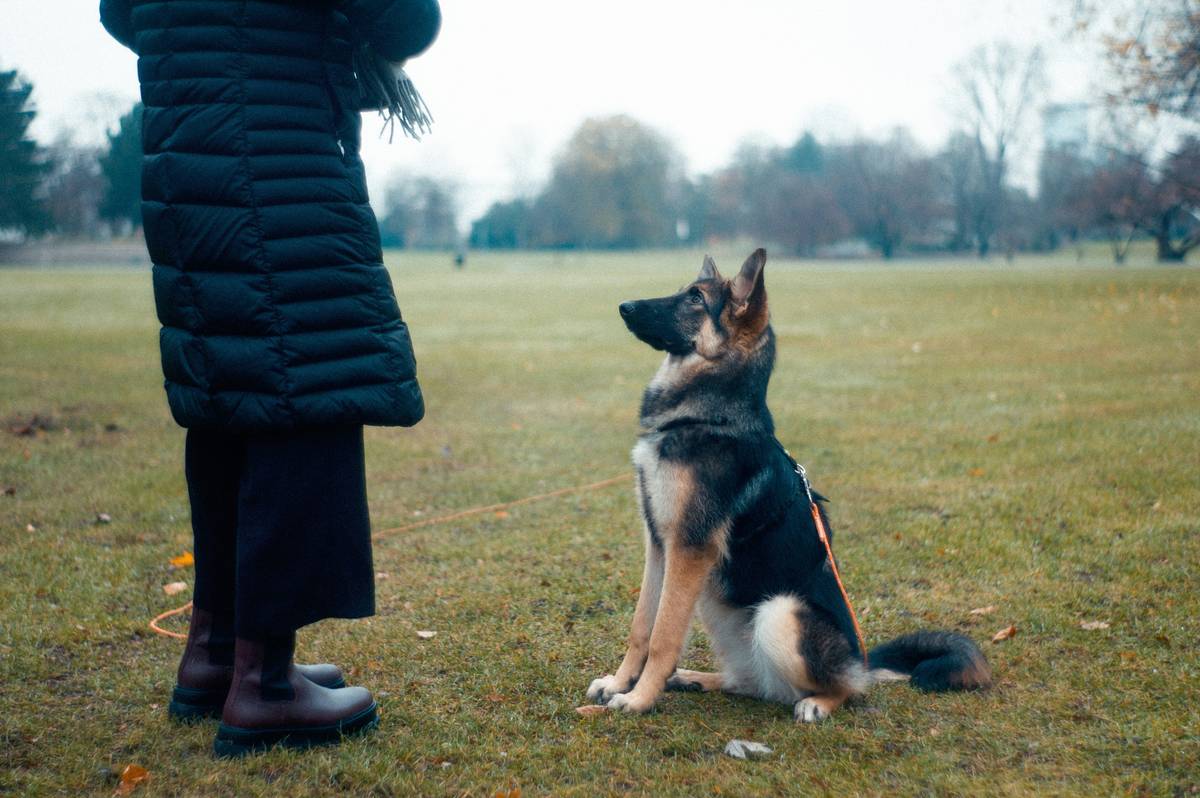
Here’s a confession: I once spent an entire week trying to teach my Golden Retriever, Max, to spin in circles. No matter how many treats I waved around or how enthusiastically I clapped, he simply looked at me blankly. Turns out, I was messing up one simple thing—the timing.
Dogs don’t process information the way humans do. They rely heavily on associations between actions and consequences. This means if there’s even a split-second delay between your dog performing a behavior and receiving praise or a treat, they might associate the reward with something else entirely. Imagine rewarding them seconds later for sitting—only for them to think they’re being rewarded for standing back up instead. Oops.
So here’s the deal: To nail dog trick timing, you need to act faster than Wi-Fi speeds. Let’s break down exactly how to make that happen.
A Step-by-Step Guide to Perfect Dog Trick Timing
Step 1: Understand the Basics of Marker Training
Optimist You: “Marker training sounds fancy—it must be complicated!”
Grumpy Me: “Ugh, fine—but it’s easier than assembling IKEA furniture.”
Markers (like clickers or specific words such as “Yes!”) are tools used to instantly mark the exact moment your dog performs the desired behavior. Think of it like a camera flash capturing the perfect action shot. Here’s how to implement it:
- Choose a consistent marker sound or word.
- Pair the marker with treats during initial conditioning. Click or say “Yes!” then immediately give a reward.
- Once your dog associates the marker with rewards, use it to pinpoint correct actions.
Step 2: Break Down Complex Tricks into Smaller Steps
Teaching a full trick like “shake hands” requires breaking it down into smaller phases, like raising a paw. Reward each step individually until the pieces come together seamlessly.
Step 3: Practice Precision Over Quantity
Don’t rush through dozens of repetitions hoping something sticks. Focus on delivering rewards within 0.5–1 second after the desired behavior. Slow and steady wins this race.
Pro Tips for Better Dog Trick Timing
- Keep Sessions Short: Aim for 5–10 minute bursts to maintain focus. Dogs get bored faster than Netflix buffers.
- Be Clear & Consistent: Use the same marker every time so your dog knows exactly what to expect.
- Watch Your Delivery Speed: Move like Usain Bolt handing out Olympic medals when presenting treats.
Real-Life Success Stories: From Clueless Pup to Trick Master
Let’s talk about Luna, a stubborn Beagle who couldn’t figure out how to touch her nose to a target stick. After weeks of frustration, her owner discovered the magic of timing. She started marking the instant Luna sniffed near the stick and paired it with a treat. Within days, Luna mastered the trick flawlessly!
This story reminds me of that glorious feeling when your phone finally updates without glitching.
FAQs About Dog Trick Timing
Q: What happens if I reward my dog too late?
A: You risk reinforcing unintended behaviors or confusing your dog altogether.
Q: Can I train without a clicker?
A: Absolutely! Verbal markers like “Yes!” work just as well if used consistently.
Q: How long does it take to master dog trick timing?
A: Everyone’s different, but patience and practice usually lead to improvement within a few weeks.
Wrapping It Up: Your Next Steps
“Heck yeah, we did it!”
We covered everything from why dog trick timing matters to actionable steps you can start today. Remember, the key isn’t perfection—it’s improvement. So grab those treats, dust off that clicker, and let’s show Google AND your furry friend who’s boss.
Oh, and one last gem before you go:
Dogs wag tails fast,
Training clicks sharper still.
Time to shine, buddy! 🐾✨