Ever tried teaching your pup a new trick only to end up more confused than Fido staring at a squirrel? Yeah, us too. If you’re looking for the ultimate “dog trick flow”—a seamless way to train commands that actually stick—then target training is about to become your new best friend.
Table of Contents
- Introduction to Dog Trick Flow
- Why Is Your Dog Struggling With Tricks?
- How to Master Target Training (Step by Step)
- 5 Tips to Perfect Your Dog’s Trick Flow
- Real-Life Success Stories of Happy Pups & Owners
- Frequently Asked Questions About Target Training
- Final Thoughts on Elevating Your Dog’s Trick Game
Key Takeaways
- Target training creates a strong foundation for learning complex dog tricks.
- A consistent “dog trick flow” keeps both owner and pet engaged during sessions.
- Patience and positive reinforcement are non-negotiables in effective training.
Why Is Your Dog Struggling With Tricks?
Let me tell you something embarrassing: I once spent two weeks trying to teach my Golden Retriever how to shake. Two. Whole. Weeks. Spoiler alert—he didn’t get it because *I* was doing everything wrong. The truth is, many pet parents dive straight into advanced tricks without building foundational skills like target training.
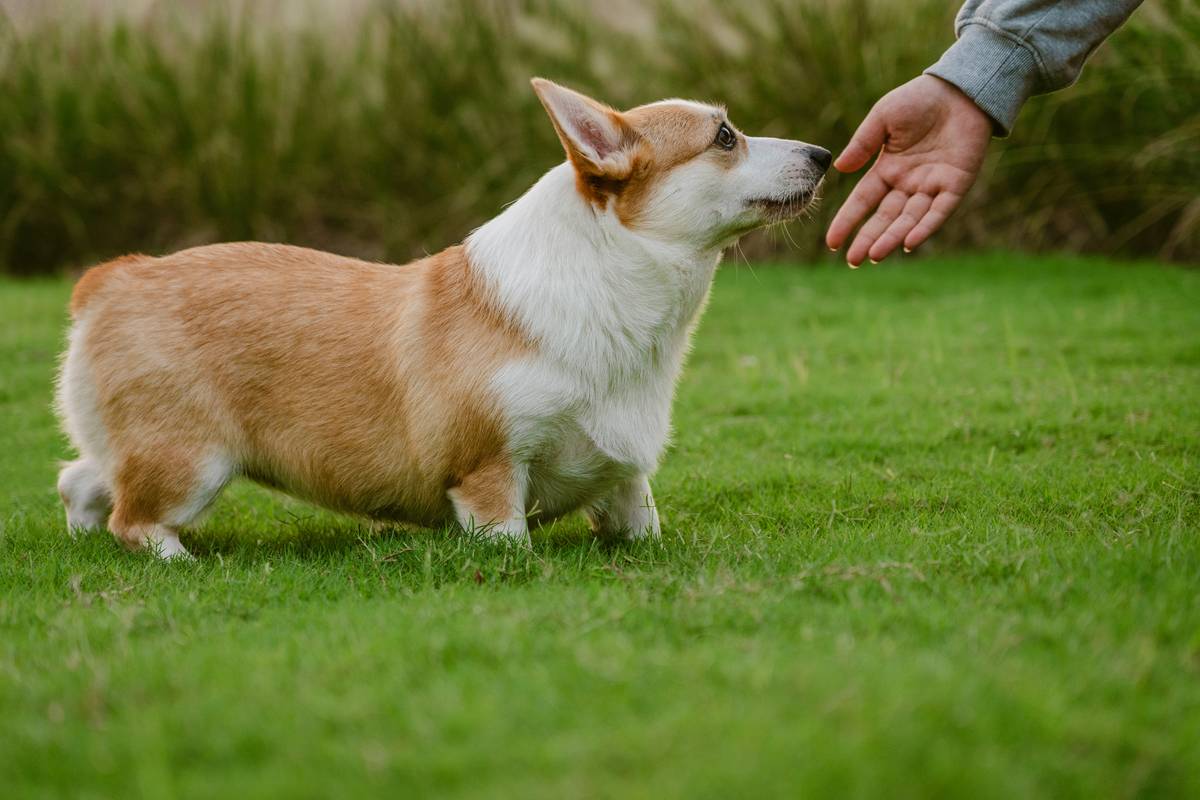
This strategy is chef’s kiss for dogs who need structure. Without it, your pup might as well think “shake” means “stare blankly until snacks appear.”
Subheadings Matter Here
“Optimist You:” “Surely this’ll be easy!”
Grumpy You: “Dude, even Google has tutorials for this.”
How to Master Target Training (Step by Step)
Ready to transform your clumsy canine into an obedient superstar? Follow these steps:
Step 1: Choose Your Target Tool
Whether it’s a stick, pointer, or sticky note, pick a tool your dog can easily interact with. Make sure it’s safe enough not to cause accidents!
Step 2: Introduce the Target
Show your pup the target tool and reward them when they touch it. Start close, then gradually increase distance. This builds confidence.
Step 3: Create the Trick Flow
Once your dog understands targeting, connect actions. For example, “touch + spin = dance move.” Smooth transitions equal flawless flows.
Step 4: Reinforce Consistently
Reward, repeat, refine. Keep sessions short to avoid burnout but frequent enough to solidify behaviors.
Step 5: Add Verbal Cues
Match each action with a clear command so your dog associates words with movements. Think “flow” over individual commands.
5 Tips to Perfect Your Dog’s Trick Flow
- Keep It Fun: Dogs thrive on enthusiasm. Be their biggest cheerleader.
- Use High-Value Treats: Nobody works harder for stale kibble.
- Avoid Overtraining: Too much too soon leads to frustration—not tricks.
- Mix Up Sessions: Repetition is key, but monotony kills motivation.
- Stay Patient: Even Einstein took breaks from his experiments.
Real-Life Success Stories of Happy Pups & Owners
We spoke with Sarah T., proud owner of Max, a Border Collie prodigy. She shared, “Max went from chasing shadows to landing perfect spins thanks to target training. Now he performs full routines with ease!”
Frequently Asked Questions About Target Training
Q: What if my dog doesn’t respond to the target?
A: Adjust the tool or method. Some dogs prefer different textures or shapes. Try again tomorrow.
Q: How long does it take to see results?
A: Typically, most dogs grasp basic targeting within 1–2 weeks of daily practice.
Q: Can older dogs learn the ‘dog trick flow’?
A: Absolutely. Age isn’t a barrier; patience is all that matters.
Final Thoughts on Elevating Your Dog’s Trick Game
Target training transforms tricky situations into triumphant moments. By mastering the art of “dog trick flow,” you’re setting yourself—and your furry friend—up for success. So grab those treats, stay patient, and remember: Every paw step counts.
Like a Tamagotchi, your SEO needs daily care. Stay curious, keep experimenting, and watch your bond grow stronger every day.