
Ever stared at your dog during a pet competition, willing them to choose the right object but instead they pick…a random shoe? Yeah, us too. If you’ve ever wondered why your furry companion just can’t seem to get the hang of object discrimination for competitions, this guide is for you.
In this post, we’ll dig into how target training—a powerful microniche in pet care—can transform your pet’s performance in competitive settings. From teaching object recognition tricks to mastering advanced techniques, you’ll learn exactly what it takes to prepare both you and your pet for success. Let’s make those judges sit up and take notice!
Table of Contents
- Why Object Discrimination Matters
- Step-by-Step Guide to Teaching Object Discrimination
- Pro Tips for Success in Object Discrimination Training
- Real-Life Example: A Success Story in Action
- Frequently Asked Questions About Object Discrimination for Competitions
Key Takeaways
- Object discrimination is crucial for competitive obedience and agility events.
- Target training lays the foundation for reliable object recognition skills.
- Persistence and positive reinforcement are key.
- Even pets with “stubborn streaks” can excel with consistent practice.
Why Object Discrimination for Competitions Should Be Your Priority
Let me confess: I once spent three months trying to train my Golden Retriever, Max, to distinguish between his toys during a mock trial competition—and he chose someone else’s frisbee mid-event. Talk about mortifying. But here’s the deal: object discrimination isn’t just some fancy trick; it’s an essential skill that helps dogs (and other trainable pets) navigate challenges in structured environments like obedience trials or scent work competitions.
Without proper object discrimination skills:
- Your pet might confuse objects, costing valuable points in timed competitions.
- You risk frustration—for both you AND your pet—as they struggle to understand expectations.
- Judges may not only deduct points but question your bond as a team.
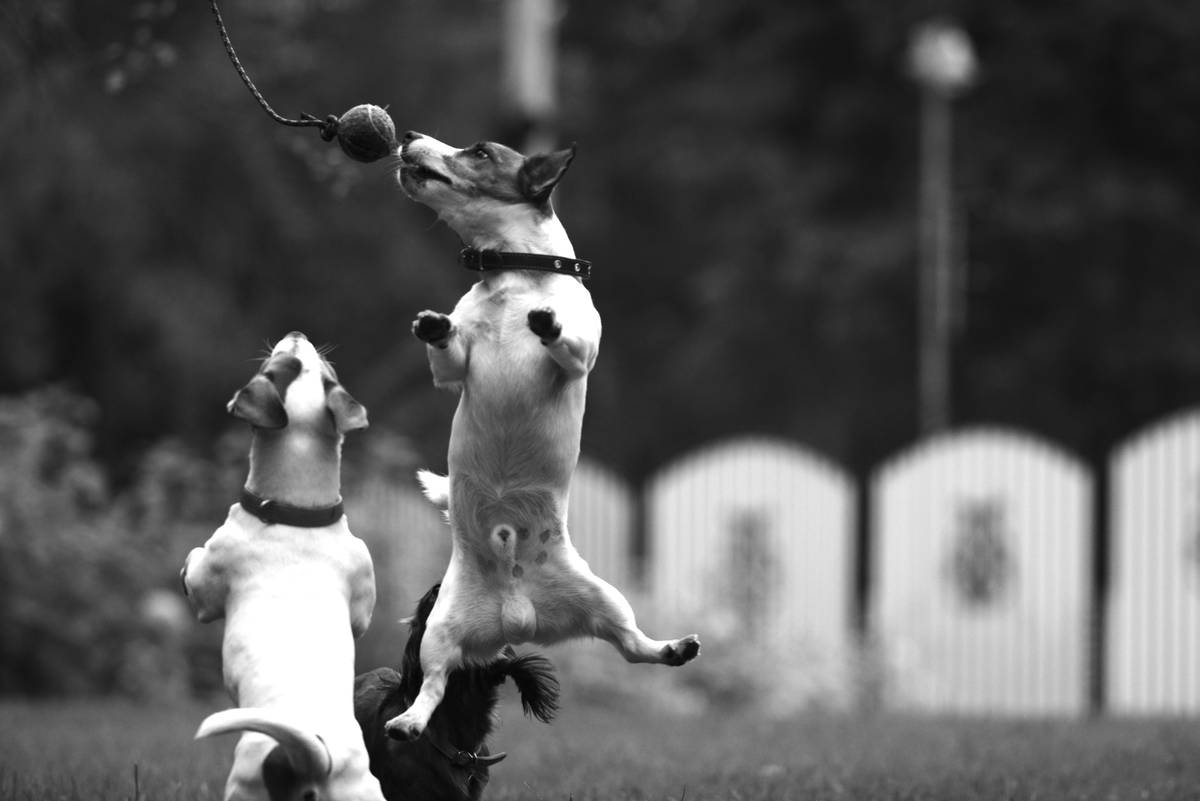
Figure 1: Properly trained dogs identify specific objects through clear commands.
Step-by-Step Guide to Teaching Object Discrimination for Competitions
Optimist You: “Follow these steps—it’s easier than you think!”
Grumpy You: “Ugh, fine—but only if coffee’s involved.”
Step 1: Start Simple – Introduce the Target Object
Choose one distinct item—like a brightly colored ball or a unique plush toy—and let your pet explore it. Reward them every time their nose or paw touches it. Associate the action with a cue word such as “touch” or “target.”
Step 2: Add a Second Object for Contrast
Place another item nearby—one that looks different from the first target. Use visual contrast (different sizes, shapes, textures) to ensure clarity. Now, ask your pet to touch ONLY the original target. Reinforce correct responses generously!
Step 3: Increase Difficulty Gradually
Gradually add more items around the target area. Challenge your pet to ignore distractions while honing in on the exact object you specify. Keep increasing complexity until they’re confidently selecting the correct item even among similar-looking objects.
Step 4: Practice Under Competitive Conditions
Create mock scenarios mimicking real competitions—include background noise, unfamiliar surroundings, and slightly stressful situations (but always prioritize safety). This builds resilience and ensures consistency under pressure.
Pro Tips for Success in Object Discrimination for Competitions
- Be Patient: Training takes weeks—or sometimes months—to perfect. Celebrate small wins along the way!
- Use High-Value Rewards: Think treats your pet goes crazy for or favorite toys reserved exclusively for training sessions.
- Avoid Overloading Information: Introduce new concepts slowly to prevent confusion.
- Keep Sessions Short: Aim for 5–10 minutes at a time to maintain focus and enthusiasm.
- Bad Tip Alert! Don’t Punish Mistakes: Negative feedback will crush your pet’s confidence faster than you can say “sit.” Instead, redirect and try again.
[Rant Section] Why Punishment Doesn’t Work (And Seriously Bugs Me)
Look, I know it’s tempting to scold when Fido grabs the wrong dumbbell. But trust me, punishment creates anxiety—not precision. It’s like screaming at your phone because Wi-Fi dropped; it doesn’t help anyone. Positive reinforcement is chef’s kiss for building trust AND results.
Real-Life Example: A Success Story in Action
Meet Luna, a Border Collie who went from zero to hero thanks to diligent object discrimination training. Her owner, Sarah, started by reinforcing basic touch cues before progressively introducing harder tasks. By month six, Luna was excelling in regional agility events, nailing each obstacle with pinpoint accuracy—including fetching only the assigned article from a pile of decoys.
Sarah shared her secret sauce: “It wasn’t about rushing progress. We celebrated tiny victories daily. And honestly? Lots of high-energy praise.”
Frequently Asked Questions About Object Discrimination for Competitions
Q: How long does it take to teach object discrimination?
A: Most pets grasp the basics within a few weeks, but achieving competition-level mastery typically requires several months of consistent practice.
Q: Can all breeds learn object discrimination?
A: Absolutely! While some breeds have natural inclinations toward obedience tasks, any healthy pet can develop these skills with patience and dedication.
Q: What happens if my pet loses interest during training?
A: Try mixing things up! Incorporate fun games, switch rewards, or shorten sessions to reignite enthusiasm. Remember, training should feel like playtime.
Q: Do I need special equipment for object discrimination?
A: Not necessarily. Household items often suffice, though investing in durable props can enhance training effectiveness. Just avoid anything toxic or breakable!
Conclusion
Congratulations—you now possess the tools to tackle object discrimination for competitions head-on. By following our step-by-step guide, embracing pro tips, and staying patient, you and your pet are well on your way to becoming champions. Like a Tamagotchi, your SEO strategy needs daily nurturing—but unlike virtual pets, the payoff is real-life achievements worth bragging about.
So grab your clicker, stock up on treats, and start transforming your pet into a competitive superstar today. Oh, and here’s one last nugget of wisdom:
Paws pause, then proceed,
Target hits spark cheers indeed—
Competition dreams!