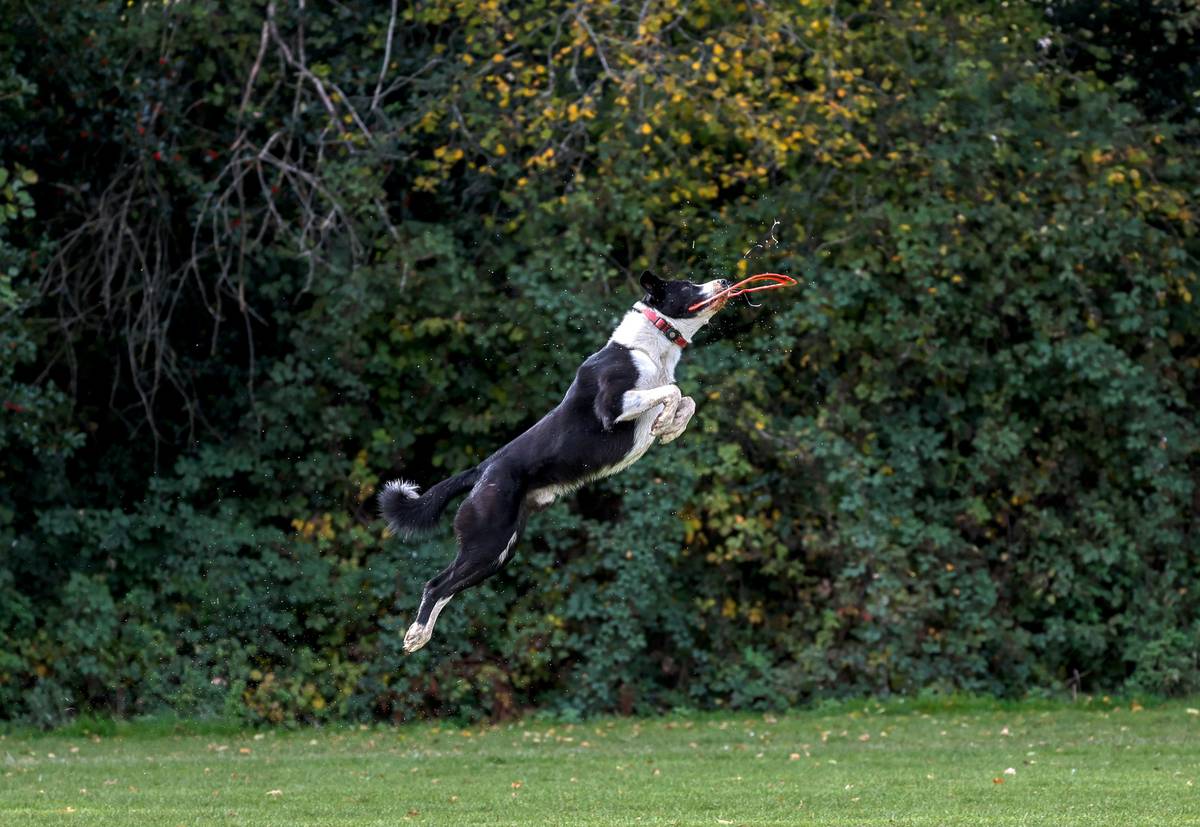
Ever tried teaching your dog to tell the difference between a tennis ball and a treat bag? Frustrating, right?
Target training can feel like decoding an alien language at first—but object discrimination for sports is one of the most rewarding challenges in pet care. Done well, it boosts your pet’s cognitive skills and prepares them for competitive agility or obedience events. In this post, we’ll break down why object discrimination matters (hint: faster fetch = happier human), how to train step-by-step, and expert tips to avoid common rookie mistakes.
Table of Contents
- Why Object Discrimination Is Key for Sports
- Step-by-Step Guide to Teaching Object Discrimination
- Pro Tips for Success
- Real-Life Examples of Object Discrimination Wins
- FAQs About Object Discrimination for Sports
Key Takeaways
- Object discrimination strengthens focus and decision-making during sports activities.
- Consistency and patience are non-negotiable when teaching pets new commands.
- Reward-based reinforcement beats punishment every time—sorry, tough-love trainers.
Why Object Discrimination Is Crucial for Pet Sports
Let me confess: my golden retriever once mistook a sock for his favorite tug toy during a “fetch” session. Spoiler alert—it wasn’t cute when he proudly dropped it back on the field… mid-competition. Awkward.
This is where object discrimination comes into play:
- Faster Task Completion: When pets know EXACTLY what you’re asking them to retrieve, they don’t waste time sniffing around randomly.
- Better Focus: Competitive sports demand razor-sharp attention; distinguishing objects teaches focus under pressure.
- Cognitive Boost: Learning to differentiate items enhances brainpower—and happy brains mean happier dogs!
How to Teach Your Dog Object Discrimination for Sports
- Start Simple: Pick two distinct objects—one as the “target” item and another decoy. Example? A blue squeaky ball vs. a plain bone.
- Name Each Item: Teach clear labels like “ball” and “bone,” repeating each word while showing the corresponding object.
- Introduce Cues Gradually: Say the target word, point to its object, then reward immediately upon success. Hate slow progress? Me too—but rushing kills retention.
- Add Complexity: Slowly increase difficulty by mixing multiple objects or changing environments (e.g., from home to park).
- Practice Makes Perfect: Revisit lessons daily but keep sessions short (~5–10 minutes). Dogs burn out faster than laptops running Fortnite.
“Optimist You:” ‘This will work if I stick with it!’
“Grumpy You:” ‘Ugh, fine—but only if coffee’s involved.’*
Pro Tips for Mastering Object Discrimination
- Use High-Value Rewards: Think bacon bits over kibble—not all treats are created equal.
- Avoid Overloading Commands: Keep cues concise so they’re easier to remember.
- Create Visual Distinctions: Bright colors or unique textures help dogs differentiate objects easily.
- Terrific Tip Gone Wrong: Don’t overload them with TOO MANY objects early on. Trust me—I once gave up after my pup stared blankly at seven different toys.
Rant Break: The Myth of Instant Results
Seriously, folks, stop expecting overnight miracles. Social media love dumping shiny photos of obedient dogs, making everyone think, “Oh, THAT’S easy!” It’s not. So next time someone promises instant mastery, send them packing—or better yet, throw them some stale biscuits.
Success Stories: From Couch Potatoes to Sports Stars
Lizzy, a bored labrador mix, transformed into a fierce competitor thanks to dedicated object discrimination drills. Her owner Julie shared her secret: “We stuck to five-minute bursts four times a day—and holy wow, did she nail those retrieves!” Lizzy now dominates dog-sport circuits nationwide. Proof positive that persistence pays off.
Frequently Asked Questions About Object Discrimination for Sports
Q: Can older dogs learn object discrimination?
Absolutely. While younger pups adapt quicker, seniors thrive given patience and shorter reps. Age isn’t just a number; it’s also experience waiting to shine!
Q: How long does training typically take?
Depends on the dog. Some grasp basics within weeks; others require months. Consistency—not speed—is key here.
Q: What if my dog loses interest?
Mix things up! Switch rewards, swap objects, or change locations. Dogs crave novelty more than Netflix addicts chase cliffhangers.
Wrapping Up
Object discrimination for sports might sound daunting, but armed with the right strategies, anyone can ace it. Remember: consistency + high-value rewards = victory. Whether you’re aiming for weekend fun or national competitions, these methods unlock endless possibilities for both you and your furry partner.
“Like a Tamagotchi, your SEO needs daily care. And just like target training, practice makes perfect.” 😉 🐾