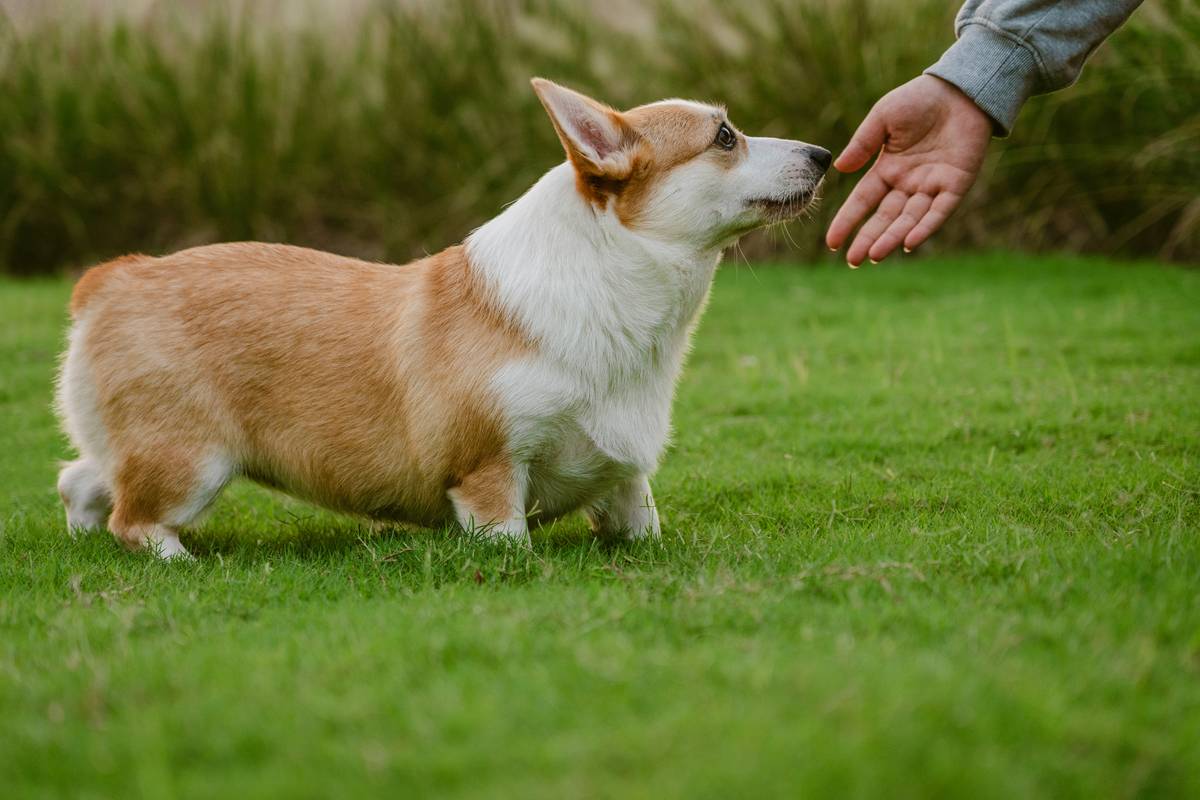
Ever tried teaching your dog a trick only to end up with more frustration than fun? You’re not alone. Pets are amazing, but sometimes their “selective hearing” feels like they’ve auditioned for the role of drama queen in a reality TV show. But what if there was a method so simple and effective that even the most stubborn pup could catch on? Welcome to hand targeting for tricks, a game-changing pet training technique that’ll have Fido spinning circles before you can say fetch.
In this guide, we’ll dive into everything hand targeting—from why it’s essential for mastering new tricks to actionable steps you can start today. Whether you’re dealing with an overexcited Labrador or a shy tabby cat, by the time you finish reading, you’ll know exactly how to turn those paw pads into precision performers.
Table of Contents
- Why Hand Targeting is Crucial for Trick Training
- Step-by-Step Guide to Teaching Hand Targeting
- 7 Pro Tips for Mastering Hand Targeting
- Real-Life Success Stories with Hand Targeting
- Frequently Asked Questions About Hand Targeting
Key Takeaways
- Hand targeting helps pets focus better during trick training.
- It builds trust and strengthens the bond between you and your furry friend.
- This method works for all ages and breeds—no special skills required!
- Avoid common pitfalls like rushing through the process or skipping rewards.
- Persistence pays off; even the most stubborn pets can learn with patience.
Why Hand Targeting is Crucial for Trick Training
Let’s face it: getting a pet to follow commands isn’t always easy. Some days, it feels like your dog speaks fluent chaos instead of English. That’s where hand targeting comes in—a foundational skill that teaches your pet to touch their nose (or paw) to your hand on cue. Think of it as the secret handshake of the animal world.
Besides being adorable, hand targeting lays the groundwork for advanced tricks like spins, jumps, and even agility courses. It also improves overall behavior because pets learn to associate following your direction with positive reinforcement. Bonus? When done right, it makes them feel like rock stars—or at least Instagram-worthy influencers.

Step-by-Step Guide to Teaching Hand Targeting
Optimist You: “This sounds awesome!”
Grumpy You: “Yeah, sure, but what if my dog just stares at me blankly?”
Fair point. Let’s break it down step by step:
Step 1: Start Simple
Hold out your hand about six inches away from your pet’s nose. Keep your fingers together and slightly curved—it should look inviting, not intimidating. As soon as they sniff or nudge your hand, immediately reward them with a treat or verbal praise. Repeat this several times until they get the hang of it.
Step 2: Add a Cue Word
Once your pet consistently targets your hand, introduce a verbal cue such as “touch” or “target.” Say the word clearly while presenting your hand, then reinforce the behavior with treats. Over time, your pet will associate the cue with the action.
Step 3: Increase Distance
Gradually move your hand further away to build confidence. Start with small distances—a foot or two—and work up to standing across the room. This challenges your pet mentally and physically.
Step 4: Use Distractions
To ensure mastery, practice in different environments with varying levels of distractions. A quiet living room is great, but can they still hit the mark at the park? If yes, congrats—you’ve unlocked pro status.
7 Pro Tips for Mastering Hand Targeting
- Keep Sessions Short: Aim for five to ten minutes max to avoid overwhelming your pet.
- Use High-Value Treats: Peanut butter-filled Kongs or freeze-dried liver treats = chef’s kiss.
- Be Consistent: Stick to one cue word and gesture to prevent confusion.
- Stay Calm: Pets pick up on vibes faster than Wi-Fi signals drop during storms.
- Reward Effort: Even half-hearted attempts deserve acknowledgment early on.
- Tailor to Personality: Energetic dogs might need extra movement; shy cats may prefer slower motions.
- Avoid Rushing: Skipping steps leads to shaky foundations—and no one wants a wobbly pyramid of success.
Rant Corner:
Here’s something that drives me nuts: trainers who claim pets “just don’t get it.” Newsflash—they do get it; YOU’RE probably doing it wrong. Dogs aren’t born knowing words. They rely on repetition, clarity, and consistency. So, if someone tells you your pet isn’t trainable, tell them politely where they can shove that advice. Trust me, hand targeting proves anyone can win with the right approach.
Real-Life Success Stories with Hand Targeting
Pet trainer Sarah M. shares her story of rescuing a timid German Shepherd named Max. Initially terrified of hands due to past abuse, Max wouldn’t come near anyone. However, after weeks of gentle hand-targeting exercises paired with patience, Max learned to trust again—and now performs flawless figure-eight patterns during obedience trials.
Another success? Meet Bella, a feisty parrot who mastered picking up toys using target training. Her owner reports she now eagerly retrieves dropped items without shredding furniture—a double win.
Frequently Asked Questions About Hand Targeting
Q1: Can I teach older pets hand targeting?
Absolutely! While younger animals tend to adapt quicker, older pets are perfectly capable with consistent practice.
Q2: What if my pet doesn’t respond to treats?
Try toys, belly rubs, or anything else your fur baby loves. Remember, motivation varies!
Q3: Is hand targeting only for dogs?
Nope! Cats, birds, pigs—even bunnies—can benefit from this versatile technique.
Conclusion
And there you have it—your ultimate roadmap to conquering hand targeting for tricks. With patience, persistence, and plenty of treats, your pet will transform from reluctant student to eager performer in no time. Just imagine posting those impressive videos online—the likes will roll in faster than treats disappear.
To recap:
- Start small and stay consistent.
- Customize techniques based on personality.
- Celebrate every milestone along the way.
“Like a Tamagotchi, your SEO needs daily care—but unlike virtual pets, results stick around forever.”