Ever tried teaching your dog to fetch a soda from the fridge only to end up with them barking at the door instead? You’re not alone. Training our furry companions can be both rewarding and hilariously frustrating. But what if you could turn those chaotic moments into jaw-dropping dog trick performances? Enter target training—the ultimate game-changer for pet parents who want their pups to shine.
In this guide, we’ll dive deep into target training, how it works, and why it’s key to unlocking your dog’s potential as a trick-performing superstar. By the time you finish reading, you’ll be armed with actionable strategies, hilarious confessionals of failure (yes, even trainers mess up!), and the tools needed to create awe-inspiring routines.
Table of Contents
- Introduction to Target Training
- Step-by-Step Guide to Mastering Target Training
- Best Practices for Effective Target Training
- Examples & Inspiration: Real-Life Success Stories
- Frequently Asked Questions About Dog Trick Performance
Key Takeaways
- Target training is an essential foundation for mastering advanced dog trick performance.
- Patience and consistency are non-negotiable when working on behavioral skills.
- Common pitfalls include overcomplicating commands and neglecting positive reinforcement.
- Your dog doesn’t care about perfection; they just want connection!
Why Target Training Matters for Dog Trick Performance
Pretend you’re in Cirque du Soleil but replace acrobats with dogs. Sounds fun, right? Without solid foundational skills like target training, though, that dream becomes more bark than bite. Target training teaches your pup to touch or follow specific objects—think noses nudging targets or paws tapping surfaces.
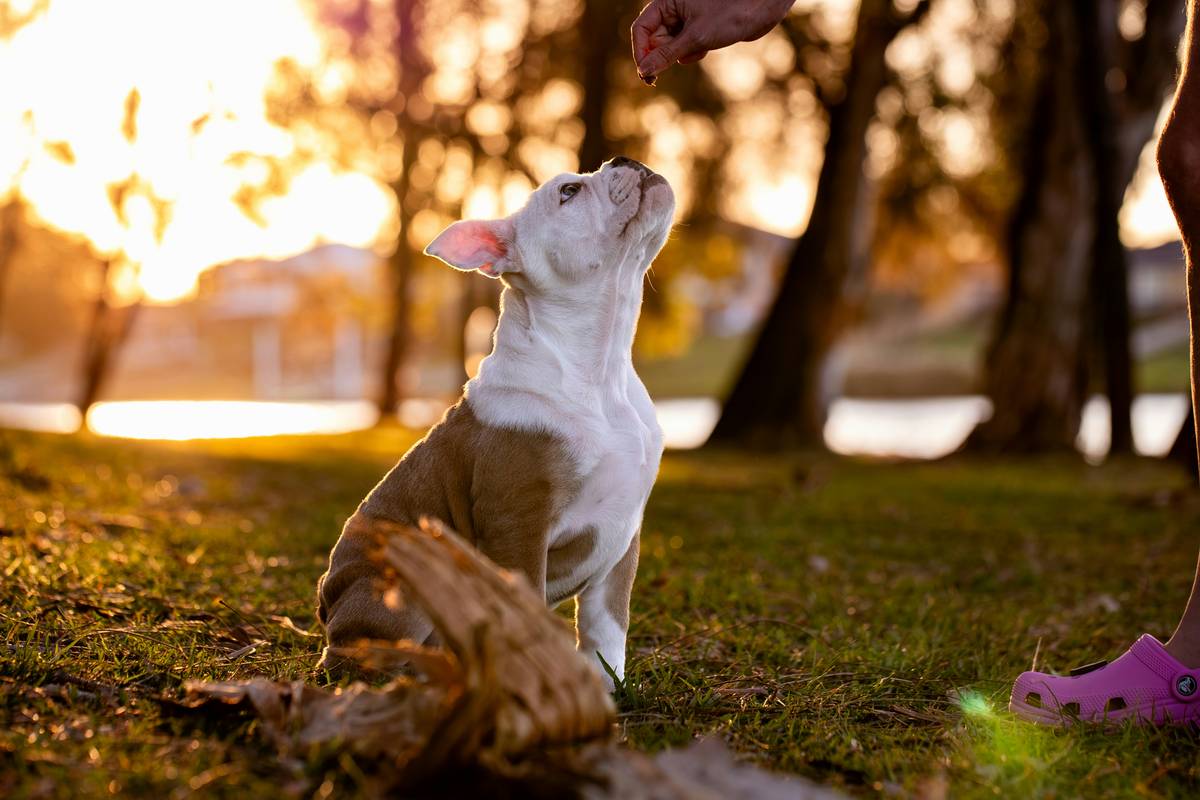
This simple yet powerful method opens doors to endless possibilities. Whether it’s spinning in circles, balancing treats on their nose, or performing high-five stunts, these flashy dog trick performances all start with one tiny command: “Touch.”
Step-by-Step Guide to Mastering Target Training
Step 1: Choosing the Right Tool or Object
Pick something easy for your dog to interact with—a spoon, a sticky note stuck to your finger, or a store-bought clicker stick. This object will act as the “target.” My mistake? Once using a tennis ball covered in peanut butter. Sure, my dog loved it—but cleaning peanut butter off every surface was no joke.
Step 2: Teaching the Basics
- Hold the target near your dog’s nose and say “Touch.”
- Reward immediately after any contact (nose tap or paw swipe).
- Slowly increase the distance between the target and your dog’s starting position.
Pro Tip: Keep sessions short (5–10 minutes) to prevent frustration—for both of you.
Step 3: Adding Advanced Commands
Once your pup masters basic targeting, layer on complexity. For instance:
- Tell your dog to spin clockwise around the target.
- Practice weaving through cones marked with target sticks.
Optimist You: *“Let’s teach them backflips next!”*
Grumpy You: *“Cool it—they’re not gymnasts.”*
Best Practices for Effective Target Training
- Use High-Value Treats: Ditch the bland kibble for smelly snacks like chicken jerky. Dogs work harder for the good stuff.
- Be Patient: Progress happens over weeks, not hours.
- Keep It Fun: If your energy drags, theirs will too. Channel your inner cheerleader!
- Avoid Overtraining: Too many repetitions lead to confusion, boredom, and tantrums. Yes, dogs throw tantrums.
Examples & Inspiration: Real-Life Success Stories
Meet Max, the Border Collie whose viral YouTube video racked up millions of views thanks to his flawless obstacle course. His secret weapon? Target training. From navigating tunnels to jumping through rings, each segment relied on cues built through years of practice.
Another gem comes from Bella, the rescue Beagle turned therapy dog. Using target training, her owner taught her to open cabinets, retrieve items, and even ring a bell when she needs to go outside. Proof that age, breed, and background don’t define dog trick performance potential.
Frequently Asked Questions About Dog Trick Performance
Q: Can I use target training for aggressive dogs?
Absolutely! In fact, it’s a great way to redirect focus away from triggers. Just ensure safety first—no forcing interactions.
Q: How long does it take to see results?
Most dogs grasp the concept within days, but building proficiency takes longer. Consistency is key!
Q: What’s the worst thing I could do during training?
Punishing mistakes. Dogs learn best through encouragement—not fear. Don’t be “that person” yelling mid-session.
Conclusion
Congratulations—you now hold the blueprint for turning ordinary waggers into extraordinary entertainers. With patience, creativity, and plenty of treats, your dog trick performance dreams are closer than ever. Remember:
Progress matters more than perfection; keep practicing, stay lighthearted, and celebrate small victories along the way.
And here’s your cheesy haiku moment:
Paws tap, tails wag fast,
Dogs dance under starlit skies—
Cue thunderous applause.